
 By
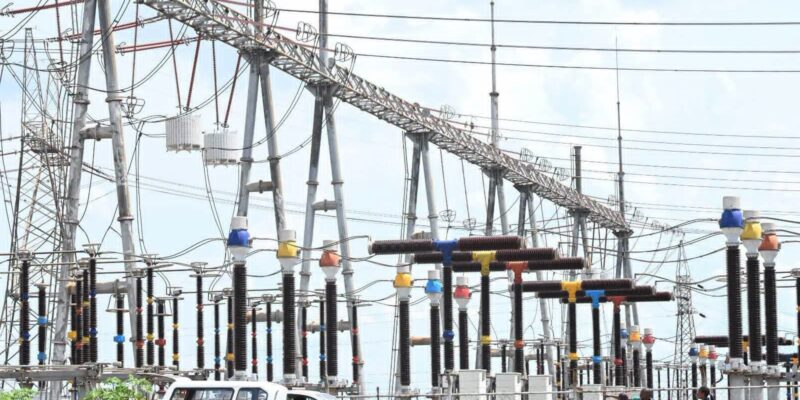
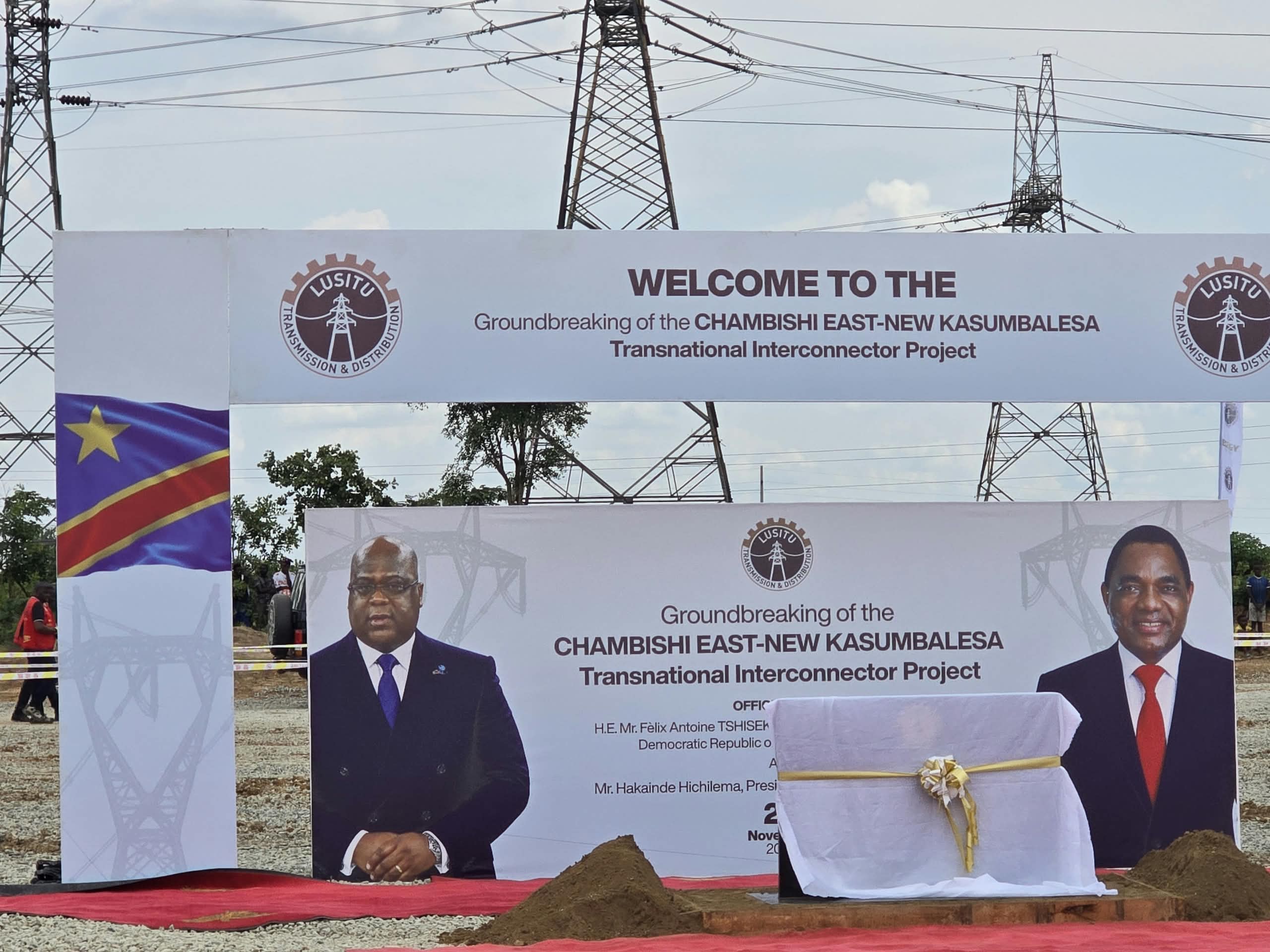
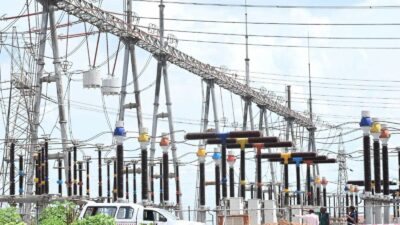
Zambia and the Democratic Republic of Congo (DRC) have taken a major step towards strengthening regional energy security following the groundbreaking of a US$68 million power interconnector project, presided over by President Hakainde Hichilema and his DRC counterpart, President Félix Tshisekedi, in Kalulushi.
The 63-kilometre, 330kV Chambishi East–New Kasumbalesa Transboundary Interconnector Project, expected to be completed within 12 months, will expand electricity trade, strengthen power supply security and support industrialisation and economic growth. The two countries also signed an Intergovernmental Memorandum of Understanding (MoU) to facilitate the construction and implementation of the project.
Speaking during the ceremony, Hichilema said Zambia and the DRC shared more than 1,900 kilometres of border and had a common responsibility to strengthen cooperation. “Electricity was essential to powering all sectors of the economy, supporting industrialisation and accelerating economic growth,” Hichilema said.
He emphasised the need to complement investments in electricity generation with transmission and distribution infrastructure to facilitate efficient cross-border power trade.
Hichilema commended the private sector for financing the project and disclosed that the two leaders had agreed to deepen joint investments, building on existing cooperation in electric vehicle battery manufacturing.
“The two countries also needed to identify and revive idle industrial assets in their respective territories to restore production, create employment and maximise the benefits of shared investment opportunities,” the Head of State said.
He urged Lusitu Transmission and Distribution to accelerate implementation of the project.
In his remarks, President Tshisekedi said the DRC was facing an electricity deficit of approximately 1,200MW, making the interconnector critical to meeting the energy demands of its mining industry and other economic activities.
“The project would renew engagement between the two countries and ensure that citizens on both sides of the border directly benefited from enhanced energy cooperation,” he said.
Tshisekedi noted that the interconnector was strategically linked to the Lobito Corridor, presenting opportunities for increased trade, investment and regional economic integration.
He reaffirmed his country’s commitment to working with Zambia to ensure the successful implementation of the project and promote development, peace and security.
Earlier, Zambia’s Minister of Electricity Peter Kapala said the 330kV interconnector would establish a new pathway for electricity exchange between the two countries.
Read More: Hichilema, Tshisekedi agree to prioritise energy, mining and trade projects
“The two Governments had agreed to unlock long-standing electricity infrastructure projects and deepen cooperation to maximise the benefits of their interconnected power systems,” Kapala said.
He disclosed that ZESCO and the DRC’s national power utility, Société Nationale d’Électricité (SNEL), were expected to sign an inter-utility MoU by December 18, 2026, to address electricity trading requirements arising from the project.
DRC Minister of Hydraulic Resources and Electricity. Aime Sakombi Molendo, said the project would benefit both countries through increased electricity supply, job creation and economic development.
“The presence of the two Heads of State at the groundbreaking ceremony demonstrated their shared vision and commitment to strengthening bilateral cooperation,” Molendo said.
He urged ZESCO and SNEL to work closely to ensure the project’s successful implementation.
Meanwhile, Lusitu Transmission and Distribution Board Chairperson Margaret Mudenda described the interconnector as a major power highway that would unlock new electricity trading opportunities.
“The US$68 million investment was entirely privately financed, demonstrating the private sector’s confidence in the two countries’ economies and the ongoing electricity sector reforms aimed at encouraging private sector participation,” Mudenda said.
She said the project aligned with the Government’s vision of expanding electricity infrastructure and supporting Zambia’s ambition to increase national generation capacity to 16,000MW.
Copperbelt Province Minister, Emmanuel Kasambo, said the investment would contribute to the province’s social and economic development by providing electricity to support various economic activities.
WARNING! All rights reserved. This material, and other digital content on this website, may not be reproduced, published, broadcast, rewritten or redistributed in whole or in part without prior express permission from ZAMBIA MONITOR.







Comments