
 By
By 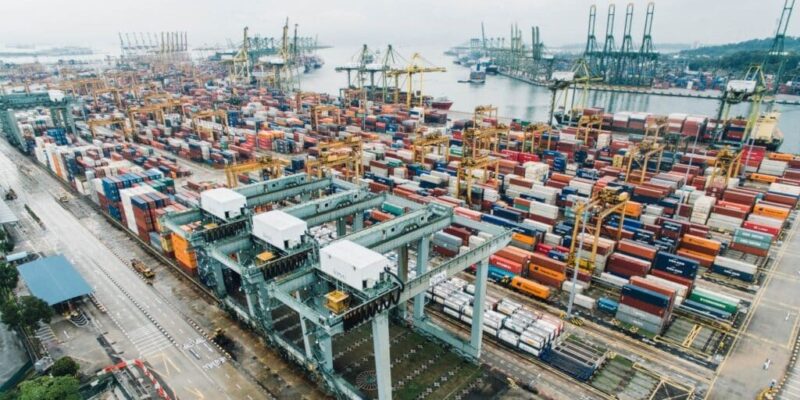
Africa’s next phase of transport development will prioritise efficiency over expansion, with experts calling for a shift toward transforming existing infrastructure corridors into integrated supply chains capable of boosting trade and economic growth.
According to the State of Africa’s Infrastructure Report 2026, launched on April 23,2026 by the Africa Finance Corporation, the continent already possesses an extensive network of ports, railways and road corridors linking production hubs to regional and global markets.
The report emphasized that reducing transit times, simplifying border procedures and improving coordination between different transport modes could significantly enhance Africa’s trade competitiveness and accelerate intra-African commerce.
Read more: Africa Finance Corporation spotlights Lobito rail project ahead of Nairobi summit
A key recommendation is the operationalisation of transport corridors through measures such as one-stop border posts (OSBPs), improved efficiency at weighbridges, and the establishment of corridor authorities to align public and private sector stakeholders.
“Turning corridors into high-performing systems is the next frontier,” the report states, noting that improved coordination can unlock substantial economic gains without the need for costly new infrastructure.
The report also underscored the importance of aviation in advancing integration under the African Continental Free Trade Area.
Air transport was identified as the fastest method for connecting markets, particularly for time-sensitive goods.
Strengthening air cargo systems and fully implementing the Single African Air Transport Market are highlighted as critical steps toward reducing logistics costs and improving connectivity across the continent.
Countries such as Rwanda, Kenya and Ethiopia are cited as success stories—showing how strong aviation policies can stimulate economic growth. Through liberalised airspace, visa openness, infrastructure investment and effective national carriers, the three nations have collectively generated about US$5.5 billion in Gross Domestic Product and supported around one million jobs.
WARNING! All rights reserved. This material, and other digital content on this website, may not be reproduced, published, broadcast, rewritten or redistributed in whole or in part without prior express permission from ZAMBIA MONITOR.









Comments