
 By
By 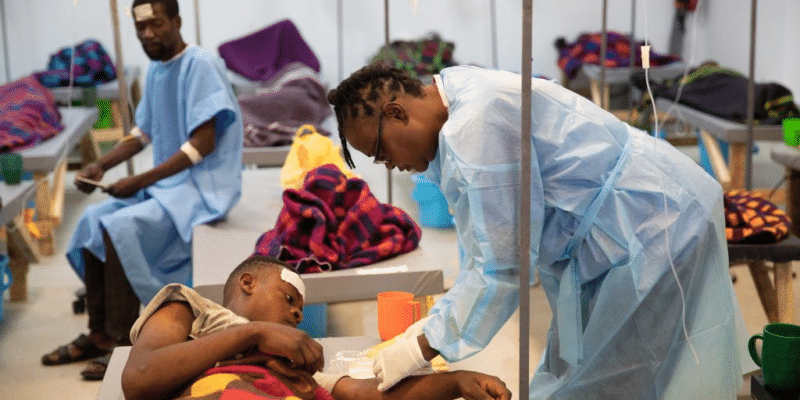
Government has officially declared a cholera outbreak in Zambia after 304 cases and 11 deaths were recorded across seven districts in five provinces.
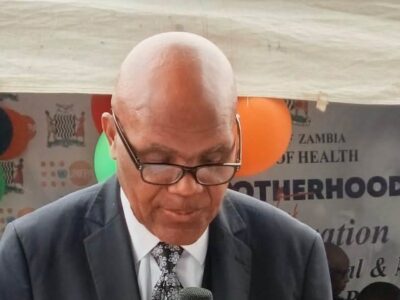
Acting Minister of Health, Dr Gilbert Siame, announced the outbreak on Wednesday in a statement, saying authorities had intensified response measures to contain the spread of the disease and prevent further fatalities.
Siame said the first case in the current outbreak was detected on August 13, 2026, after laboratory tests confirmed Vibrio cholerae in a patient who had travelled from Chibombo District and was admitted to Apollo Mini Hospital in Lusaka.
He said by September 29, 2026, a total of 304 suspected cases had been reported, with 62 laboratory confirmed.
“Thirty-five patients are currently receiving treatment, while 230 have been discharged.
Read more: Zambia reports 1,186 cholera cases, 20 deaths since August 2025 outbreak
Sadly, 11 people have died, of which eight died in the community and three in health facilities,” Siame said.
The outbreak has affected Lusaka, Chilanga and Chongwe districts in Lusaka Province, Chibombo in Central Province, Chiengi in Luapula Province, Nsama in Northern Province and Chikankata in Southern Province.
Lusaka has recorded the highest number of cases at 130, including 39 laboratory-confirmed infections.
The district has registered four deaths, while 94 patients have recovered and 32 remain under treatment.
Chibombo has reported 109 cases, including 11 confirmed infections, four community deaths, 95 recoveries and 10 patients still receiving treatment.
Government said most infections in the district had been recorded within the Mwanjuni health facility catchment area around 10 Miles.
Chongwe has recorded 23 cases, including six confirmed infections and two deaths, while Chilanga has registered six cases, two of which have been laboratory confirmed, with all patients discharged.
In Luapula Province, Chiengi has recorded eight cases, including three confirmed infections and one community death.
Nsama District in Northern Province has reported 13 cases, including four confirmed infections, while Chikankata in Southern Province has recorded two cases, one of which has been laboratory confirmed.
Siame expressed concern over the eight community deaths, saying they indicated that many patients were seeking medical attention too late.
He said the facility case fatality rate stood at 0.98 percent, demonstrating that prompt treatment significantly improves survival.
“Cholera is both preventable and treatable. Our greatest opportunity to save lives lies in early detection, prompt treatment, access to safe water and sanitation, and strong community participation,” he said.
Siame urged members of the public to drink only safe water, practise regular handwashing with soap and safe water, and seek immediate medical attention at the first signs of cholera, including acute watery diarrhoea and vomiting.
He said early reporting would enable health authorities to provide timely treatment, conduct contact tracing, disinfect affected areas and implement water safety interventions.
Siame also appealed to communities to cooperate with health workers carrying out investigations, household visits, water testing and health education campaigns, while discouraging stigma against affected individuals and families.
He further called on traditional leaders, church leaders, civil society organisations, the media and other community stakeholders to strengthen public health awareness.
WARNING! All rights reserved. This material, and other digital content on this website, may not be reproduced, published, broadcast, rewritten or redistributed in whole or in part without prior express permission from ZAMBIA MONITOR.





Comments