
 By
By 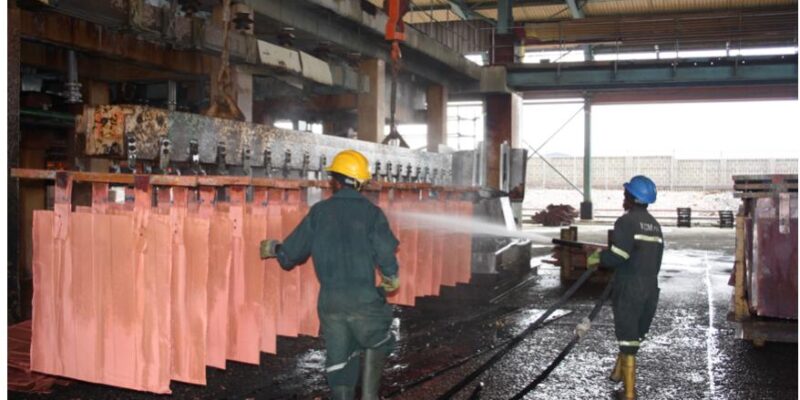
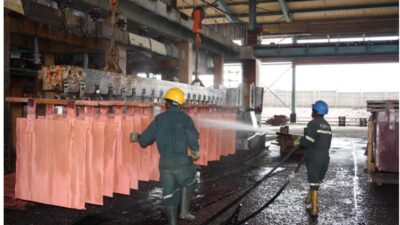
Konkola Copper Mines recorded a 21% increase in copper production in the first half of 2026 compared to the same period last year, according to Zambia’s Ministry of Mines and Minerals Development, one of the strongest gains among the country’s major producers.
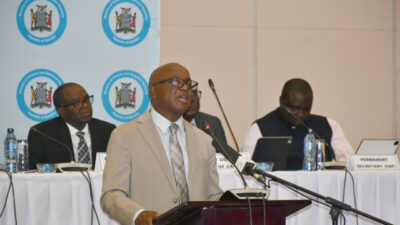
The figure was confirmed by Permanent Secretary Hapenga Kabeta during a Ministry briefing on the mining sector’s half-year performance in Lusaka.
He attributed the improvement to recapitalisation, enhanced mine development, increased equipment availability and more consistent plant feed, all pointing to an operation that has steadily strengthened its underlying performance rather than posting a single strong period.
The scale of that growth stands out even more once it is set against the national picture.
Read more: Govt orders KCM to restore environment after pollution of Mushishima Stream, Kafue River
Zambia’s aggregate copper output for the first half of 2026 came in at 447,181.93 tonnes, the Ministry said, barely up on the 445,176.59 tonnes recorded over the same period in 2025, a national gain of just 0.45%.
Against that near-flat national trend, KCM’s 21% increase is a significant outlier, and among the clearest signals yet that the mine’s turnaround is translating into real, measurable output.
Looking ahead, KCM has set a production target of 185,000 tonnes of copper for the current 2027 financial year, which runs from April 2026 to March 2027.
Measured against the mine’s actual output of 133,000 tonnes in FY2026, which closed on 31 March 2026, that would be an increase of roughly 39%, or an additional 52,000 tonnes, building on the momentum already shown in the first half of 2026.
Beyond that, the mine is targeting 500,000 tonnes in the longer term, a key contributor to the national target of 3 million tonnes by 2031.
The significance of that growth extends well beyond the mine itself.
Copper mining is estimated to account for between 12% and 15% of Zambia’s national GDP, alongside more than 70% of the country’s export earnings, underlining just how closely the sector’s fortunes are tied to the wider economy. As KCM’s output climbs, so does its footprint in a sector that anchors well over a tenth of the national economy.
Dr. Moses Banda, KCM’s Board Chairperson, said the numbers reflect deliberate work across the operation.
“Consistency has been the theme all year. Every part of the operation, from underground to the plant floor to maintenance planning, has pulled in the same direction, and these numbers are what that focus looks like when it compounds over six months,” he said.
For a mine that spent years working back from a near standstill, sustained growth across a full half year is a harder and more meaningful milestone than a single strong quarter.
It points to a production base that is stabilising rather than spiking, which is the pattern investors and government watchers tend to trust most.
With the rest of the financial year still to run, KCM is the mine to watch, and early evidence that Zambia’s copper recovery may increasingly depend on operations like it carrying more of the load.
WARNING! All rights reserved. This material, and other digital content on this website, may not be reproduced, published, broadcast, rewritten or redistributed in whole or in part without prior express permission from ZAMBIA MONITOR.







Comments