
 By
By 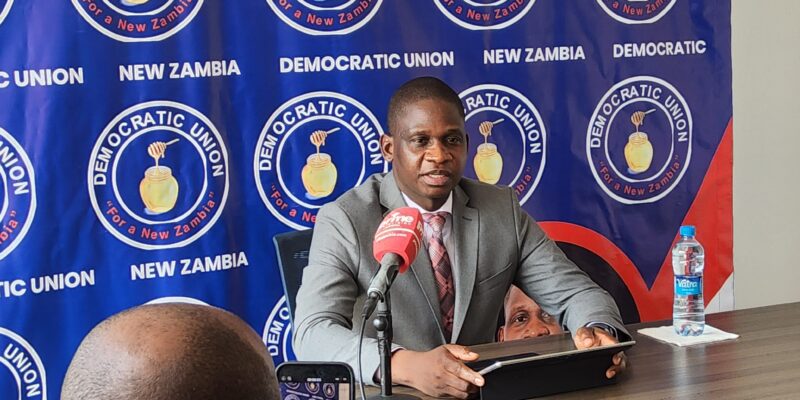
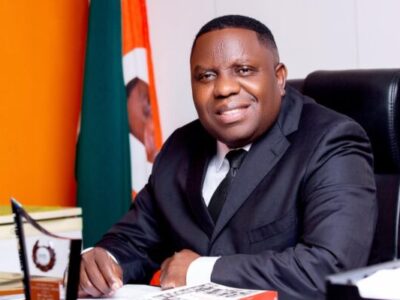
Democratic Union Party leader, Ackim Njobvu, has criticised President Hakainde Hichilema’s recent address to the National Assembly of Zambia on national values and principles, describing it as “empty rhetoric” that failed to address the everyday struggles of citizens.
Speaking to Zambia Monitor in an interview, Njobvu said the President’s speech was underwhelming and lacked clear commitments that could improve the living conditions of Zambians facing a persistently high cost of living.
He argued that citizens were seeking tangible results, not promises that remain “on paper.”
“There’s nothing new I think from the speech that the President has given, I think we have heard what he was talking about before, all I can say is there is lack of new initiatives,” Njobvu said.
He, however, welcomed President Hichilema’s call for unity ahead of the 2026 general election, saying it was a positive step for ensuring a peaceful process.
“We just pray that the elections will be fair and fair and there won’t be any fidgeting with any institutions, so that there’s a level playing field for all participants,” he added, stressing the need for transparency and fairness in the electoral environment.
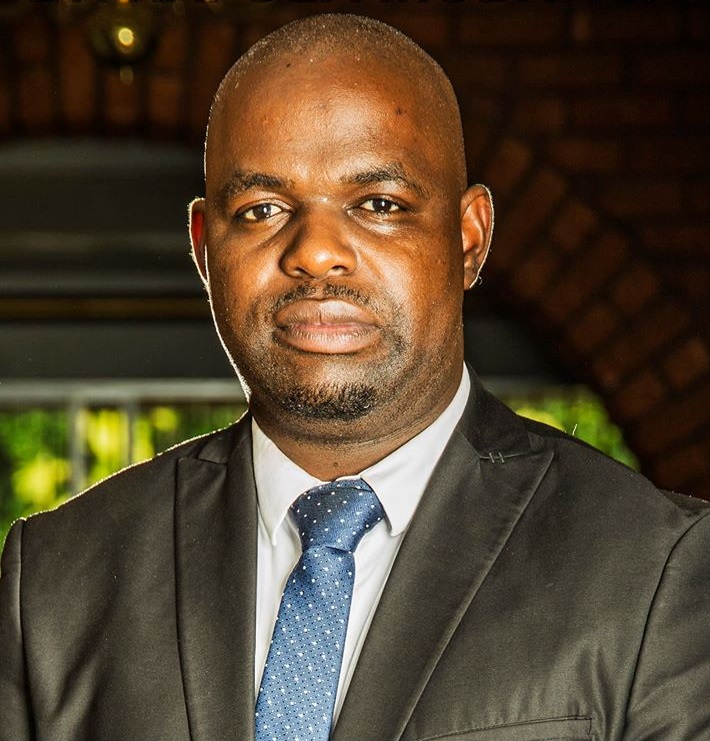
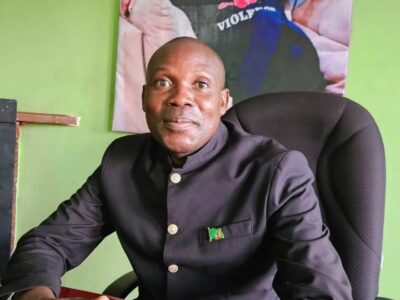
In a similar stance, the Development People’s Party said the President’s focus appeared to be on the 2026 elections rather than the daily survival challenges facing citizens.
Party leader, Kafula Mubanga, criticised President Hichilema’s approach to addressing social vices, saying poverty and inequality were deeper underlying drivers.
He argued that free education alone was insufficient if hunger and economic insecurity were not addressed.
“High divorce rates, teenage pregnancies, and substance abuse are not just moral failings, they are economic symptoms,” Mubanga said.
Mubanga further questioned government’s priorities, pointing to plans to increase parliamentary seats while the country remained under a debt restructuring cloud.
He expressed concern about the effects of current economic policies on vulnerable groups, accusing the government of neglecting rural communities where projects have stalled and basic services were limited.
He also warned about the potential for media censorship, arguing that democracy required space for criticism.
“Free education is hollow if children attend school on empty stomachs,” he added, calling for stronger economic empowerment measures.
WARNING! All rights reserved. This material, and other digital content on this website, may not be reproduced, published, broadcast, rewritten or redistributed in whole or in part without prior express permission from ZAMBIA MONITOR.




Comments