
 By
By 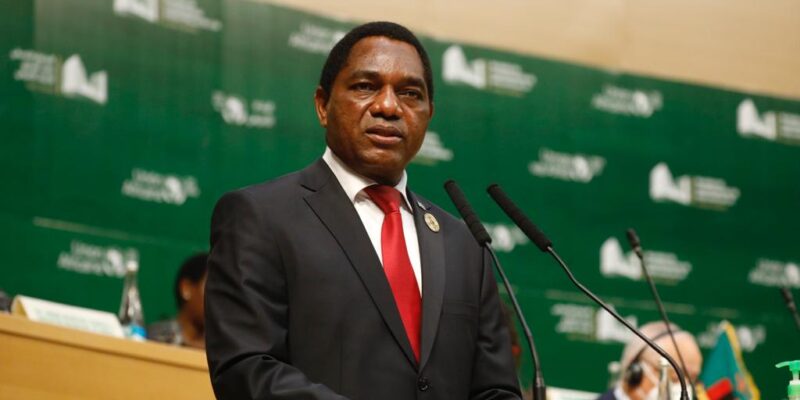
President Hakainde Hichilema has stressed the urgent need to reframe mine waste from being seen as an environmental burden into a strategic asset, through science-driven and inclusive solutions.
The President also reaffirmed his government’s commitment to responsible mining through investment in research, policy reform, and regional cooperation.
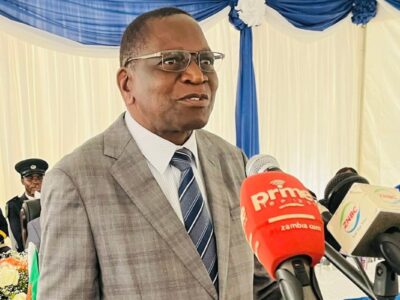
His remarks were delivered in a speech read on his behalf by Green Economy and Environment Minister, Mike Mposha, during the opening ceremony of the three-day International Symposium on Mine Waste in Lusaka on Wednesday.
Government, in partnership with the University of Zambia, the Copperbelt University, and South Africa’s Tshwane University of Technology, had initiated the International Conference on Mine Waste Management 2025 under the theme “Advancing Sustainable Solutions for Mine Waste Challenges.”
The conference has drawn global experts from Japan, South Africa, and other countries to share innovations in geology, mining, metallurgy, and sustainability.
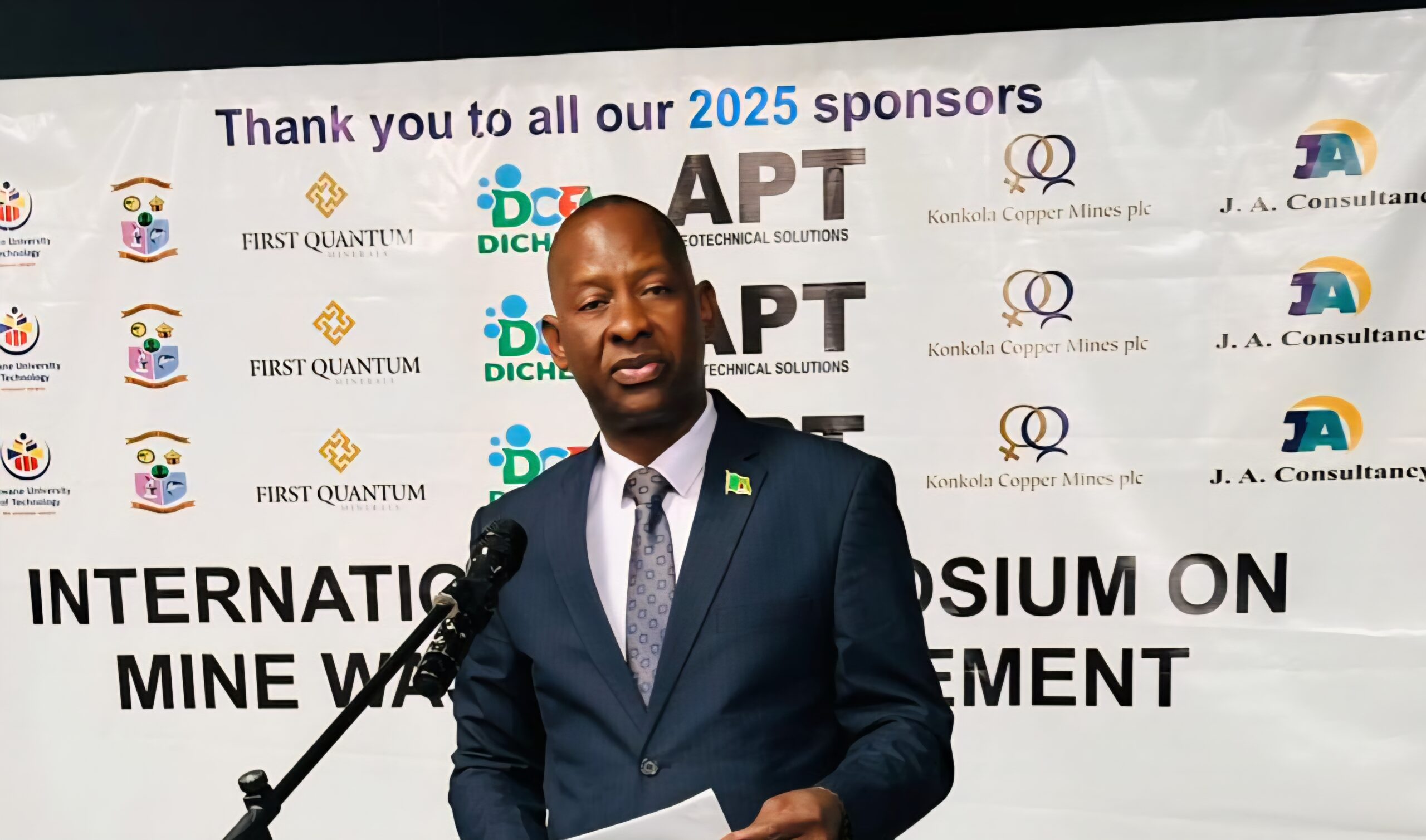
“Behind every contaminated river is a community that can no longer farm or fish. Behind every unsafe tailings dam is a child who walks to school in fear,” Hichilema declared.
Read More: Zambia seeks stronger environmental, economic ties with Turkiye
He urged stakeholders to deliver actionable outcomes in four priority areas: innovative technologies to extract critical minerals from mine waste, frameworks for community participation, benefit-sharing mechanisms, and harmonized mine waste policies across Africa, alongside youth empowerment through knowledge exchange and capacity building.
“It is worth noting that mine wastes also represent untapped value—they contain within them critical minerals such as cobalt, copper, manganese, and rare earth minerals that feed diversified global supply chains in the energy transition,” Hichilema said.
He added that with modern technology, Zambia could reprocess mine waste, recovering metals once considered lost.
“This does not only generate revenue, it also reduces the environmental footprint of mining and creates new jobs for our people,” he said.
Hichilema emphasized that as the world transitions to a low-carbon future, Zambia aimed to lead—not only as a supplier of minerals, but as a champion of sustainable mining and circular economies.
WARNING! All rights reserved. This material, and other digital content on this website, may not be reproduced, published, broadcast, rewritten or redistributed in whole or in part without prior express permission from ZAMBIA MONITOR.






Comments