
 By
By 
The Consumer Unity and Trust Society (CUTS) International has called on government to introduce measures to cushion the impact of new taxes on consumers and local manufacturers proposed under the K33.6 billion Supplementary Budget recently presented to Parliament by Finance and National Planning Minister, Situmbeko Musokotwane.
Among the key proposals in the Supplementary Budget are increases in excise duties — raising tax on spirits and wines from 60 percent to 80 percent, reintroducing a 50 percent duty on clear alcohol, and doubling the excise duty on sugary drinks.
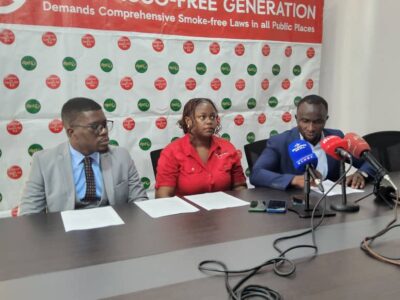
In a statement, CUTS Communication Officer, Nancy Mwape, acknowledged Government’s commitment to strengthening domestic resource mobilisation but cautioned against the potential unintended consequences of the tax measures.
“While CUTS supports the broader objective of reducing debt dependency and promoting fiscal prudence, we are deeply concerned about the timing and potential effects of these tax changes on consumers and local manufacturers, particularly small and medium-sized enterprises (SMEs),” Mwape said.
She noted that local producers already grappled with high energy costs, limited access to affordable credit, a weakening kwacha, and stiff competition from imports.
Without adequate safeguards, she warned, the new tax measures could increase production costs, push up consumer prices, threaten jobs, and force some businesses to close.
“This risks undermining industrialisation efforts, discouraging investment, and stalling job creation, especially for young people,” she said.
To mitigate these risks, CUTS proposed a range of measures, including differentiated tax treatment and transitional support for SMEs, incentives for companies producing healthy, locally processed foods and beverages from traditional crops such as millet and sorghum, and expanded support for agro-processing and nutrition education campaigns.
Mwape further emphasised that while public health concerns were valid, taxes on sugary drinks and alcohol should be accompanied by affordable, accessible alternatives for consumers.
She urged the Ministry of Finance and National Planning, together with Parliament’s Expanded Planning and Budgeting Committee, to consider phasing in the tax changes gradually, introduce competitiveness-enhancing policies, and ensure transparency in the allocation of additional tax revenues — particularly towards health, education, and agriculture.
“CUTS remains committed to working with Government and other stakeholders to ensure that tax reforms strike a balance between revenue generation, economic growth, and the protection of consumers and small businesses,” Mwape added.
WARNING! All rights reserved. This material, and other digital content on this website, may not be reproduced, published, broadcast, rewritten or redistributed in whole or in part without prior express permission from ZAMBIA MONITOR.










Comments