
 By
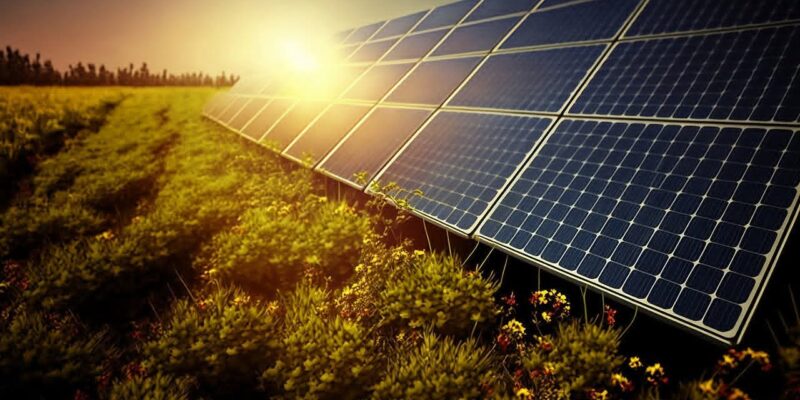
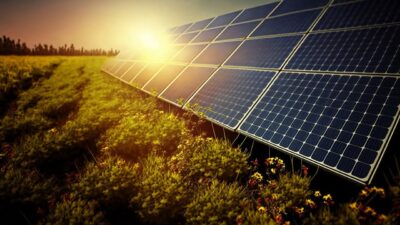
Zambians who turned to solar energy to cope with prolonged load-shedding could face higher costs for panels, inverters and batteries if proposed tax changes in the 2027 National Budget are implemented, the Solar Industry Association of Zambia has warned.
The association has urged the government to retain tax incentives on solar equipment, arguing that removing them could undermine efforts to expand access to electricity, particularly in rural areas.
The 2027 National Budget, presented to Parliament on November 6, proposed removing two tax incentives on energy-saving appliances: customs duty exemptions and value-added tax (VAT) zero-rating.
According to the Zambia Revenue Authority’s Budget Highlights, the proposed removal of duty relief would involve revoking Statutory Instrument No. 102 of 2021, which covers solar panels, inverters, batteries and solar geysers.
The budget also proposes increasing the standard VAT rate to 16.5% from 16%.
Association president, Matanda Mwewa, told Zambia Monitor in an interview that many Zambians had turned to solar because the national electricity grid could no longer meet demand amid reduced hydroelectricity generation.
He said the government had argued that the tax incentives, introduced in response to drought-related reductions in hydropower generation, had not delivered the intended benefits because traders had not passed the savings on to consumers.
Mwewa said prices of solar panels, inverters, batteries and solar geysers had not fallen significantly despite the tax relief.
“We take Government’s concern about prices seriously, and we are ready to answer it with evidence,” Mwewa said.
He argued that the incentives had helped households and businesses protect themselves against load-shedding and should remain in place while the country continued to develop additional electricity generation capacity.
Mwewa said association members were compiling invoices, landed costs and retail price histories to demonstrate how prices had responded to the incentives.
He warned that rural communities stood to lose the most from the proposed changes, citing the government’s 2022 Energy Efficiency Strategy, which put electricity access at 8.1% in rural areas compared with 70.6% in urban areas.
For many villages, farms, schools and clinics, he said, off-grid solar remained the only realistic source of electricity.
“If the worry is misuse, the answer is tighter product definitions and proper documentary checks, not taxing every family and farmer that has switched to solar,” he said.
Mwewa said the association was proposing tighter product definitions and documentary verification linked to the relevant Harmonised System (HS) codes to address concerns about possible abuse of the incentives.
Read More: Zambia, DRC agree to fast-track four power transmission projects
He noted that duty and VAT relief on solar equipment had been in place since 2008 and had contributed to the growth of the off-grid solar market.
The association has written to the Ministry of Finance and the Zambia Revenue Authority, copying the Ministry of Energy, seeking clarification on the proposed changes.
Mwewa said the association had requested draft legal instruments, details of affected HS codes, current and proposed duty and VAT rates, implementation dates and guidance on the treatment of goods already in transit.
“We want the relief kept on clearly defined, standards-compliant solar and storage equipment,” he said.
He said that if the government proceeded with the changes, the association wanted a gradual implementation period, exemptions for goods already ordered or shipped, and clear guidance from the Zambia Revenue Authority before the measures took effect.
Mwewa said the full list of affected products, HS codes and implementation dates had yet to be confirmed, adding that the proposals remained subject to parliamentary approval.
He said the eventual impact on consumer prices would depend on the final details of the measures.
WARNING! All rights reserved. This material, and other digital content on this website, may not be reproduced, published, broadcast, rewritten or redistributed in whole or in part without prior express permission from ZAMBIA MONITOR.







Comments