
 By
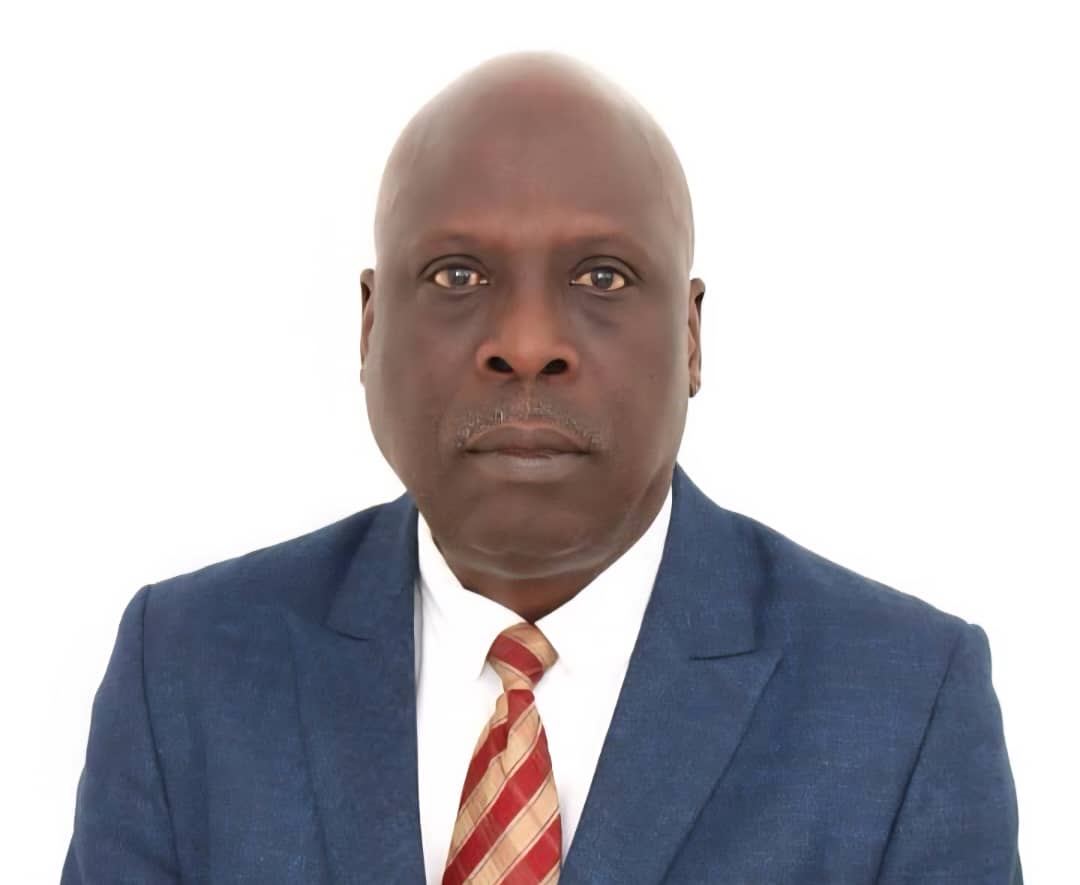
Zambia has been promised a conducive environment for mine investment. The response to that commitment is mine delivery. At Konkola Copper Mines we stand ready to be judged by that yardstick.
When the Minister of Finance and National Planning, Dr Situmbeko Musokotwane, presented the 2027 National Budget on 6 November, one word ran through it from beginning to end. That word was copper.
This is a budget built on copper, and I believe that is exactly right. Zambia expects to produce about 930,000 tonnes this year and is aiming for more than a million tonnes in 2027, on the way to 3 million tonnes a year by 2031.
The growth, the revenue and the jobs this budget sets out to deliver all rise with that number. Few countries in the world have a resource that can carry a national plan the way copper can carry ours.
That places a responsibility on every mining company in Zambia. And I want to state clearly that at KCM we accept that challenge.
The Minister promised the industry a stable and predictable fiscal regime, and we welcome it. Mining companies, like all other economic agents, have always sought a stable macroeconomic environment, because investing in mines is a long-term commitment measured in decades.
A shaft sunk today will still be operating long into the future, in accordance with its mine life. When investors are convinced that the rules will hold through the ups and downs of world copper prices, they commit capital for the long haul. This budget gives them that confidence.
In return, the budget asks every mining company to deliver. Licence fees will rise with the size of the area a company holds, so that mineral rights are put to work. Incentives will go to investors who deliver the investment and the jobs they pledged.
In plain language, Zambia will judge its mining companies by what they produce, who they employ and what they pay. That is a fair test, and KCM is proud to be measured by it.
Our record speaks for itself. Since its reinstatement, US$705 million has been invested in KCM, including US$434 million in capital projects and US$250 million to settle what was owed to creditors, many of them Zambian businesses.
Production nearly tripled, from 45,000 tonnes of copper in FY2025 to 129,000 tonnes in FY2026. Our workforce has grown from about 11,500 people to more than 14,500, with another 1,200 employed through our business partners, and salaries have risen by 35 percent. KCM has paid about US$180 million to government.
The progress is visible on the ground. In May we brought the Chingola B mine back to life after 18 years. We have rebuilt the Nchanga smelter.
In September we signed the contract for a new tailings leach plant that could recover about 70,000 tonnes of copper a year from material already mined in Chingola. People in Chingola and Chililabombwe can see these things for themselves.
We intend to keep that momentum going. What KCM earns is being reinvested in growing the mine, and that will remain our priority for the years ahead.
Read More: Zambia investments holdings company targets $7bn value by 2035 under new strategy
Our target for this financial year, which ends in March 2027, is 185,000 metric tonnes. By 2030 we will reach 300,000 metric tonnes, and our longer-term ambition is 500,000 metric tonnes.
That makes KCM a major part of the national ambition, and we embrace that role. We will get there by bringing every one of our operations to its full potential, working hand in hand with our business partners and securing the reliable power that deep mining needs.
Partnership is what will carry Zambia to a million tonnes and beyond. It will take suppliers who grow with us, communities who share in the benefits on their own streets, and a government and an industry working towards the same goal.
The budget has set the target and the terms. The mining industry is ready to deliver.
Commentators have said this budget will be judged by results. I agree, and KCM welcomes being judged the same way. Judge us by the tonnes we produce, the people we employ and the taxes we pay.
Those numbers are already on the record, and in 2027 we will make them bigger. Zambia’s copper story is being written again on the Copperbelt, and KCM is proud to be writing a large part of it.
WARNING! All rights reserved. This material, and other digital content on this website, may not be reproduced, published, broadcast, rewritten or redistributed in whole or in part without prior express permission from ZAMBIA MONITOR.





Comments