
 By

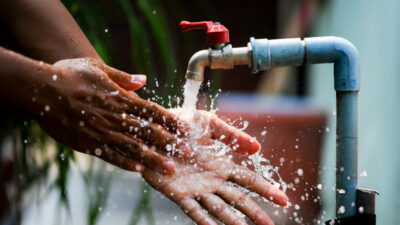
Major cities in South Africa are tightening water restrictions as the threat of a strengthening El Niño raises the risk of hotter, drier conditions and worsening pressure on already strained water supplies.
Authorities have introduced Level 2 water restrictions across Gauteng Province, including Johannesburg and Tshwane, which incorporates the administrative capital, Pretoria, according to Africanews.
Johannesburg’s municipal government says daily water consumption needs to be reduced by 200 million litres to stabilise supplies and ease pressure on reservoirs.
In Cape Town, Level 1 water restrictions are expected to take effect on December 1, requiring a 10 percent reduction in water consumption.
Under South Africa’s water restriction framework, Level 1 measures mainly target non-essential outdoor water use, while Level 2 restrictions prohibit the use of municipal tap water to irrigate gardens and public green spaces.
Households that exceed their allocated consumption limits also face higher charges.
Read more: Tunisia battles over 900 fires as heatwave grips country
The restrictions come as South Africa’s weather service warns that the current El Niño event could rank among the strongest on record, with below-average rainfall and above-average temperatures expected during the coming summer months.
WaterCAN Executive Director, Ferrial Adam, said changing weather patterns, coupled with ageing infrastructure, were worsening the country’s water challenges.
Adam said El Niño was associated with warmer ocean temperatures that influence global weather patterns and could result in hotter and drier conditions in affected regions.
El Niño is a naturally occurring climate phenomenon characterised by the periodic warming of sea surface temperatures in the central and eastern equatorial Pacific Ocean.
The phenomenon disrupts normal weather patterns worldwide, increasing the likelihood of drought in some regions and heavier rainfall in others.
Beyond the immediate threat to urban water supplies, concerns are growing over the potential impact on agriculture.
Prolonged dry conditions and extreme temperatures could affect crop production and push up food prices from March next year, adding to food security concerns across southern Africa.
WARNING! All rights reserved. This material, and other digital content on this website, may not be reproduced, published, broadcast, rewritten or redistributed in whole or in part without prior express permission from ZAMBIA MONITOR.







Comments