
 By
By 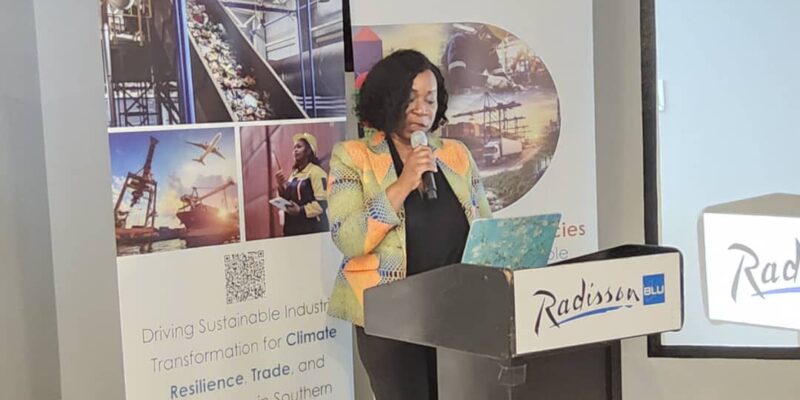
Zambia must move beyond exporting raw materials and invest in processing, recycling and other higher-value activities to strengthen domestic manufacturing and accelerate green industrialisation, the United Nations Economic Commission for Africa (UNECA) said on Monday.
UNECA Director for the Sub-Regional Office for Southern Africa, Eunice Kamwendo, said Zambia was losing potential revenue by exporting minerals and other raw materials without sufficiently developing industries further along the value chain.
“In 2025, the gemstone sector generated $79 million, yet most of the material was sold as rough stones rather than cut, polished and certified products that command higher prices in international markets,” Kamwendo said.
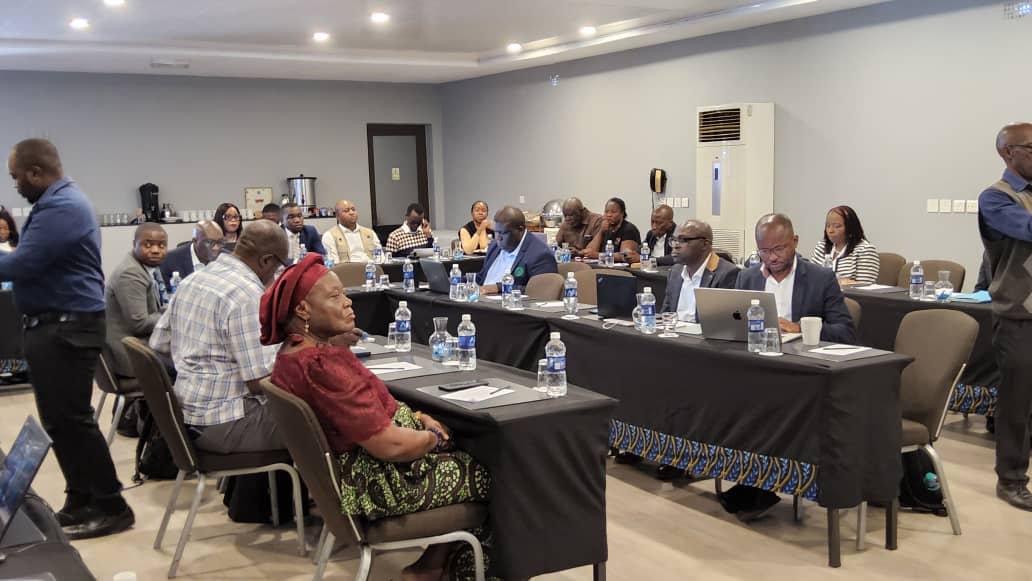
She was speaking in Lusaka at a national workshop to review studies on innovative climate action, attended by representatives from the private sector, civil society, business associations and the chamber of commerce.
Kamwendo said mining remained an important starting point for industrialisation but that Zambia needed to build the capabilities, technologies and enterprises required to process minerals further.
“The opportunity before Zambia is therefore to strengthen the capabilities, technologies and enterprises that make gemstones and aluminium further along the value chain,” she said.
She said low investment in research and development was another constraint to industrial upgrading, with Zambia spending just over 0.25% of its resources on research and development, below international benchmarks and insufficient to support the technology upgrades required.
Kamwendo said UNECA had also spent the past year supporting micro, small and medium-sized enterprises (MSMEs) in Zambia and the Democratic Republic of Congo to participate in the electric vehicle battery value chain.
“This is a market projected to grow to up to $46 trillion by 2050. At the moment it’s around $8.8 trillion globally. Regional participation will be critical,” she said.
Kamwendo identified the circular economy as another opportunity, saying only about 30 percent of waste in Zambia was collected and as little as seven percent recycled, highlighting gaps in waste collection, recovery and recycling infrastructure.
She said MSMEs could play a central role in addressing the challenge, given that they account for more than 80 percent of total employment in Zambia.
“The question before us is how can Zambia recycle more? But also how can we use the circular economy to build more enterprises, create more jobs, retain more value in the economy and strengthen Zambia’s industrial competitiveness?” Kamwendo said.
Ministry of Commerce, Trade and Industry Permanent Secretary for Investment and Industrialisation, Crusivia Hichikumba, said green industrialisation would require collaboration between government, development partners, financial institutions, the private sector, academia, research institutions and civil society.
“Innovation, technology transfer, skills development, green finance and regional cooperation will all be essential in ensuring that the region successfully transitions towards greener, more resilient and inclusive economic growth,” Hichikumba said.
He said climate action, sustainable trade, innovation, green finance and a just transition were essential to ensuring that the benefits of green industrialisation were broadly shared.
“As Zambia continues implementing industrial reforms, we remain committed to creating an enabling business environment that attracts sustainable investment, promotes innovation and enhances the competitiveness of our industries in regional and international markets,” Hichikumba said.
WARNING! All rights reserved. This material, and other digital content on this website, may not be reproduced, published, broadcast, rewritten or redistributed in whole or in part without prior express permission from ZAMBIA MONITOR.







Comments