
 By
By 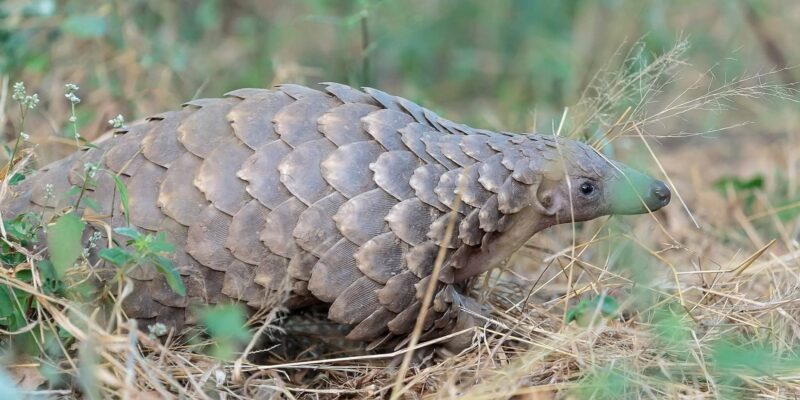
The Ministry of Tourism has raised concern over a continued rise in arrests linked to the illegal trade in pangolins and their products.
From January 2024 to December 2025, the Department of National Parks and Wildlife (DNPW) recorded 154 pangolin-related arrests, resulting in the recovery of 65 live pangolins, eight dead pangolins and 14 pangolin skins.
In a statement issued in Lusaka on Friday, Ministry Principal Public Relations Officer, Nelly Banda, said the statistics highlighted the seriousness of wildlife crime and the growing threat to Zambia’s biodiversity.
Banda said Zambia was home to two pangolin species—Temminck’s ground pangolin and the white-bellied tree pangolin—classified as vulnerable and endangered, respectively, and protected under national and international conservation frameworks.
“The Ministry is concerned that individuals from all sectors of society, including rural communities, are increasingly being targeted and used by criminal networks to engage in illegal wildlife activities,” she said.
She cautioned the public against participating in the capture, possession, sale, purchase, transportation or export of pangolins or their products, including scales, meat, skins and nails.
Banda said that under Section 130(1) of the Zambia Wildlife Act No. 14 of 2025, any person found guilty of dealing in protected wildlife species faced a mandatory prison sentence of between five and ten years, without the option of a fine.
Read More: Heritage sites to take centre stage in tourism drive —NHCC
“The Ministry urges all citizens to observe the following measures: report any person requesting assistance to locate or trade in pangolins to the nearest DNPW or Police Station; do not disturb pangolins found in their natural habitats in National Parks, Game Management Areas and forest reserves. Such sightings should be reported to DNPW,” she said.
She urged citizens not to collect pangolins or their products for sale, traditional medicine or any other purpose, adding that rescued pangolins should be handed over to the nearest DNPW office within 24 hours.
The Ministry reaffirmed its commitment to protecting Zambia’s wildlife heritage and promoting sustainable tourism. “Pangolins play a vital role in maintaining ecological balance and their survival is essential for future generations,” Banda said.
She called on the public to work closely with government and law-enforcement agencies to safeguard wildlife and report all forms of illegal wildlife trade.
WARNING! All rights reserved. This material, and other digital content on this website, may not be reproduced, published, broadcast, rewritten or redistributed in whole or in part without prior express permission from ZAMBIA MONITOR.











Comments