
 By
By 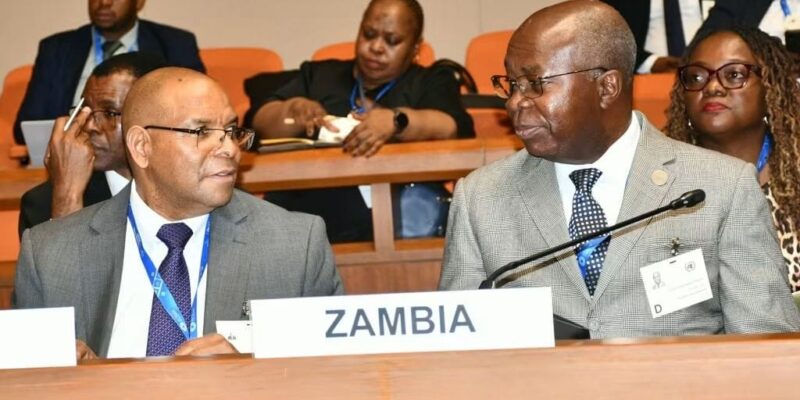
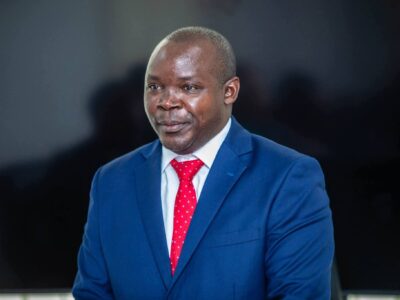
Finance and National Planning Minister, Situmbeko Musokotwane, has called for low-income borrowing countries to play a greater role in shaping the international debt system, citing high financing costs and prolonged debt restructuring processes that affect development spending.
Musokotwane said many African countries continued to face limited access to affordable financing, constraining their ability to invest in economic and social development.
Speaking on behalf of African members of the Borrowers’ Platform at its inaugural Governing Council Meeting in Bangkok, Thailand, on Tuesday, Musokotwane said decisions on sovereign debt had direct consequences for citizens through their impact on public spending.
“Decisions about debt therefore matter not only to governments, but also to the everyday lives of our people,” he said.
Read more: Zambia targets fresh financing, investment at IMF-World Bank meetings
The meeting, held on the sidelines of the 2026 International Monetary Fund (IMF) and World Bank Group annual meetings, marked the beginning of the Platform’s first annual operational cycle.
Musokotwane said the initiative should move beyond establishing institutional structures and begin delivering practical benefits for participating countries.
“As the Platform begins its work, we must move from establishing structures to delivering practical results,” he said.
The minister called for stronger technical cooperation, improved information-sharing and more effective participation by borrowing countries in international financing discussions.
Musokotwane also urged more eligible African countries to join the initiative, saying broader representation would strengthen collective expertise and improve the continent’s ability to address common financing challenges.
Launched in April 2026 in Washington, DC, the United States, the Borrowers’ Platform seeks to strengthen cooperation among developing countries on sovereign debt management and improve their participation in international financial governance.
The initiative is not intended to encourage additional borrowing or serve as a negotiating bloc against creditors.
Instead, it provides a forum for countries to exchange experiences, improve transparency, identify financial risks and promote responsible and sustainable borrowing practices.
The Platform comes amid growing concerns about the impact of debt servicing on development expenditure in low-income countries.
According to the United Nations Conference on Trade and Development (UNCTAD), rising interest payments reduced the fiscal space available for development in 99 developing countries, home to approximately 5.5 billion people, between 2018 and 2024.
High debt-servicing costs and lengthy restructuring processes can leave governments with fewer resources for essential services such as education, healthcare, roads and water supply.
The Borrowers’ Platform is expected to help participating countries strengthen their debt management capabilities and share lessons on maintaining sustainable borrowing levels while financing productive investments.
The initiative has attracted 31 formal member countries since its launch in April 2026.
WARNING! All rights reserved. This material, and other digital content on this website, may not be reproduced, published, broadcast, rewritten or redistributed in whole or in part without prior express permission from ZAMBIA MONITOR.









Comments