
 By
By 
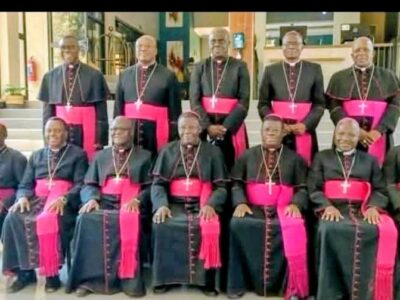
Zambian government has challenged the Zambia Conference of Catholic Bishops (ZCCB) to provide evidence and a clear comparative basis for claims of increasing ethnic manipulation, rejecting suggestions of growing tribalism in the country.
The ZCCB had raised concerns about political polarisation, democratic space, elections and access to justice.
In a statement issued in Lusaka on Thursday, State House Chief Communications Specialist, Clayson Hamasaka, said the presidency respected the pastoral responsibility of the Catholic Bishops and the Church’s enduring contribution to national life, but offered what he termed a respectful but candid response.
Hamasaka said while the Bishops’ stated intention to avoid partisan alignment was welcome, some passages closely resembled opposition narratives and risked conveying an impression of a national crisis while giving insufficient recognition to the democratic mandate expressed through the ballot.
He said claims of ethnic manipulation should be substantiated, stating that claims of increasing ethnic manipulation, however, require specific evidence and a clear comparative basis, without these, they risk deepening the mistrust the statement seeks to address.
“Government rejects tribalism in all its forms and cautioned that unverified claims risked deepening mistrust rather than addressing it,” Hamasaka stated.
On concerns raised about widespread fear and narrowing democratic space, Hamasaka said individual concerns deserved attention but should not automatically become a description of the entire nation.
He warned against language that could inflame public anxiety, saying: “Public communication must neither inflame people’s emotions nor exploit their anxieties to steer them towards a political conclusion.”
On elections, Hamasaka said concerns alone could not invalidate the citizens’ democratic decision, adding that electoral grievances deserved examination through appropriate institutions and should be supported by evidence.
“Broad doubts about credibility, without identifying material failures and their effect on the outcome, risk delegitimising voters’ choices,” he said.
On issues of access to justice, opposition participation and arrests, Hamasaka said lawful accountability must be distinguished from political persecution, stressing that an arrest establishes neither guilt nor persecution, irrespective of political or religious standing.
He said allegations of unlawful detention must be investigated individually, stating that lawful arrests should not be recast as abductions.
Hamasaka also dismissed suggestions of pervasive military control, saying combined references to military personnel, violence and insecurity risked suggesting a country at war, a characterisation he vehemently rejected.
On the timing of the pastoral statement in proximity to court proceedings involving a prominent member of the clergy, Hamasaka raised concern about its possible effect on public opinion.
“While timing alone does not establish intent, the framing could affect judicial processes. Timing alone establishes no intention to influence proceedings. Nevertheless, portraying pervasive fear and institutional failure could inflame public sentiment and generate pressure around a matter requiring independent determination,” he said.
He emphasised that the accused person’s dignity, presumption of innocence and right to a fair hearing should be protected while investigators, prosecutors and courts discharge their responsibilities without interference.
WARNING! All rights reserved. This material, and other digital content on this website, may not be reproduced, published, broadcast, rewritten or redistributed in whole or in part without prior express permission from ZAMBIA MONITOR.






Comments