
 By
By 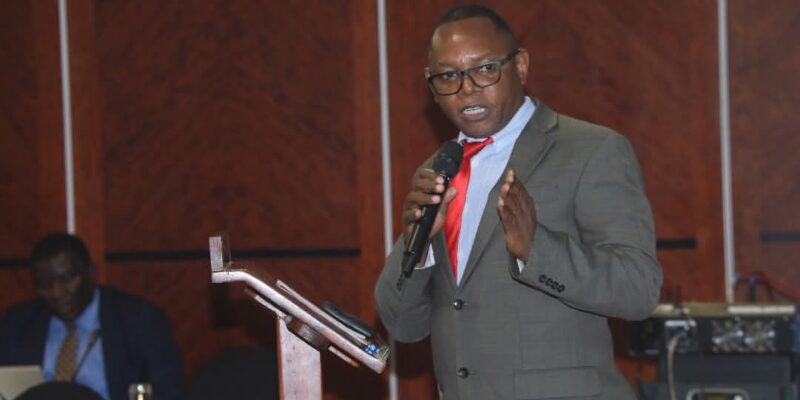
The Zambia Institute for Policy Analysis and Research (ZIPAR) says the proposed 6.4 percent gross domestic product (GDP) growth target in the 2026 national budget is realistic and attainable, provided current economic stability is sustained.
ZIPAR Executive Director, Zali Chikuba, said government has implemented sound macroeconomic fundamentals and policies that have restored stability and placed the economy on a recovery path.
Speaking during an interview on Hot FM’s Hot Seat programme, Chikuba cautioned, however, that Zambia’s energy challenges remain a major threat to investment and growth.
“We need to build resilience in the economy, and we are seeing this established by the government. This has made Zambia an attractive destination for both local and international investors. The challenge remains the issue of energy. It impedes investment and economic activities, and if not resolved, it will continue to undermine other efforts made to stabilise the economy,” he said.
Chikuba said investor confidence is already visible across sectors such as mining, infrastructure, manufacturing and agriculture, supported by fiscal discipline from government.
He noted that unlike in the past, the Treasury has avoided fiscal overruns.
He expressed confidence that the inflation target of 6 to 8 percent is achievable, aided by increased food supply and recent gains of the Kwacha.
On foreign reserves, he said Zambia was performing above the minimum threshold, standing at US$4.9 billion as at July 2025, covering 4.8 months of imports.
Looking ahead to 2026, an election year, Chikuba warned that maintaining fiscal discipline would be critical.
“Maintaining a lower fiscal deficit is important and commendable. We hope the UPND will maintain this discipline even as election spending pressures mount,” he said.
On unemployment, particularly among the youth, Chikuba said the challenge was systemic and not unique to Zambia. He acknowledged government efforts to create jobs through the recruitment of teachers and health workers, as well as opportunities arising in agriculture, mining and infrastructure development.
“If young people do not get formal jobs, they can become entrepreneurs because of the opportunities being created by government. Each one of those sectors is creating jobs,” he said.
Chikuba further projected that copper production was set to rise to one million tonnes this year from 800,000 tonnes last year, boosting foreign exchange inflows. He also pointed to new mineral discoveries as a strong signal for Zambia’s future economic prospects.
“Beyond copper, we have seen discoveries of minerals such as gold and lithium. If gold deposits prove significant, it would be a bonanza for Zambia. Gold can strengthen reserves as it is easily convertible for international transactions,” he said.
WARNING! All rights reserved. This material, and other digital content on this website, may not be reproduced, published, broadcast, rewritten or redistributed in whole or in part without prior express permission from ZAMBIA MONITOR.





Comments