
 By
By 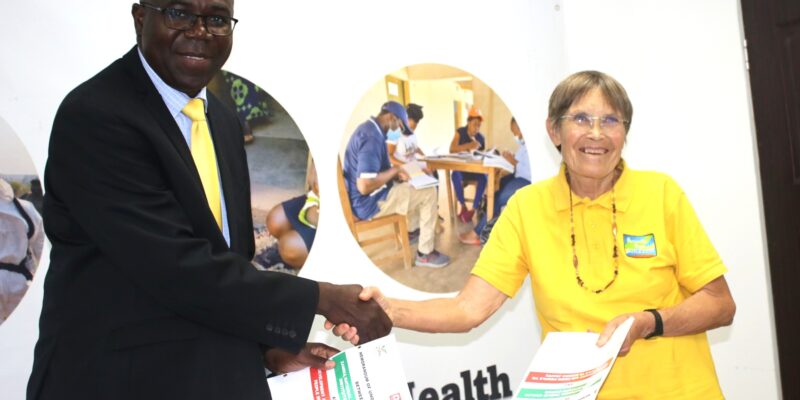
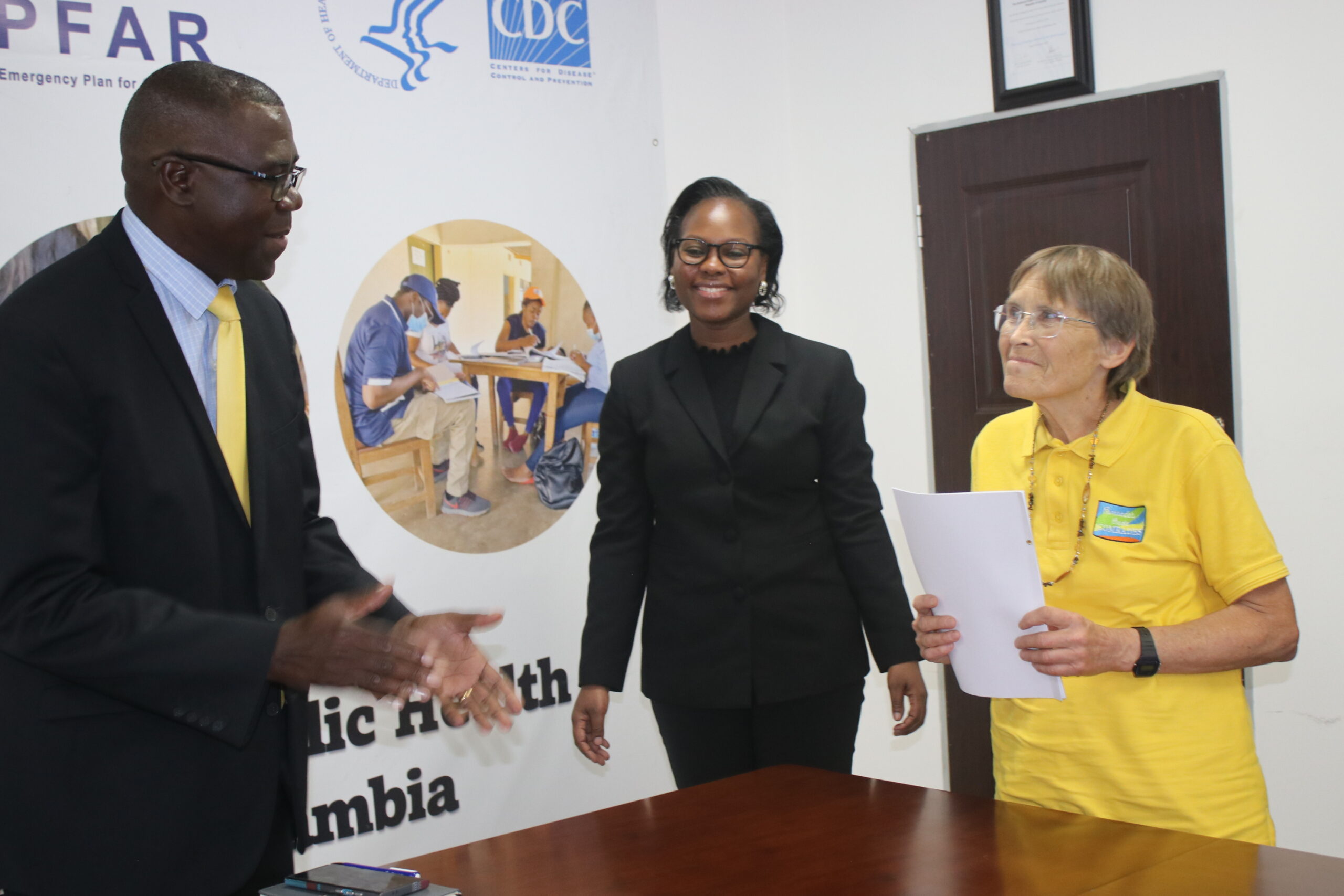
The Zambia National Public Health Institute (ZNPHI) and Development Aid from People to People (DAPP) have entered into a two-year agreement to strengthen community-led disease surveillance, early detection, and public health emergency preparedness and response in six provinces.
Under the partnership, ZNPHI will provide policy direction, operational standards, technical oversight, and linkages to national surveillance and emergency response mechanisms.
DAPP will lead community-level implementation through its established networks, working closely with District Health Offices, health facilities, and community leadership to ensure coordinated deployment, supervision, and accountability.
Speaking at the signing ceremony in Lusaka on Tuesday, ZNPHI Director General, Professor Roma Chilengi, underscored the strategic importance of the partnership and the shift toward community-centred emergency preparedness and response.
“This partnership reflects a deliberate shift in how we strengthen emergency preparedness and response in Zambia. We must leverage local resources and place community structures at the center of our public health systems, because early warning signals for outbreaks often emerge first at the community level,” Chilengi said.
He stated that by strengthening linkages between communities and the formal health system, the country would improve its ability to detect, notify, and respond to public health threats early and effectively.
Chilengi stated that a central pillar of the collaboration was the engagement of trained polyvalent Community Health Workers, who will serve as the frontline of early warning, community engagement, and referral.
“These cadres will support event-based surveillance, promote protective behaviours through RCCE, identify and report priority health events, and strengthen care-seeking pathways between communities and health facilities,” he said.
DAPP Managing Director, Elise Soerensen, acknowledged the agreement as a critical framework for aligning community-level action with national public health priorities.
“This agreement enables us to systematically leverage DAPP’s long-standing community health structures and experience to support government-led emergency preparedness and response,” Soerensen said.
She stated that by working closely with ZNPHI and district health authorities, DAPP could ensure that community-based approaches were well coordinated, technically sound, and directly linked to national surveillance and response systems.
Soerensen added that implementation of the agreement in the first year will be supported through funding from Resolve to Save Lives.
“This support will enable deployment of trained polyvalent community cadres in selected districts, strengthen supervision and reporting structures, and integrate community-generated data into district and national public health intelligence systems,” she said.
Meanwhile, Dr. Doreen Shempela, ZNPHI Director for Public Health Policy, Diplomacy and Communications, said the partnership aligned with the 7-1-7 framework, which emphasises timely detection, rapid notification, and effective response to outbreaks.
Shempela said the collaboration aimed to generate operational evidence in Year 1 to inform scale-up, guide future investments, and strengthen Zambia’s capacity to detect and respond to public health threats early and effectively.
“The agreement formalizes collaboration to operationalize community-based surveillance and Risk Communication and Community Engagement, thereby strengthening early detection at community level,” she said.
The partnership will also enhance notification and response to public health threats in the districts of Lusaka, Mpulungu, Mpika, Mongu, Sinazongwe, Chipata, and Mwinilunga.
WARNING! All rights reserved. This material, and other digital content on this website, may not be reproduced, published, broadcast, rewritten or redistributed in whole or in part without prior express permission from ZAMBIA MONITOR











Comments