
 By
By 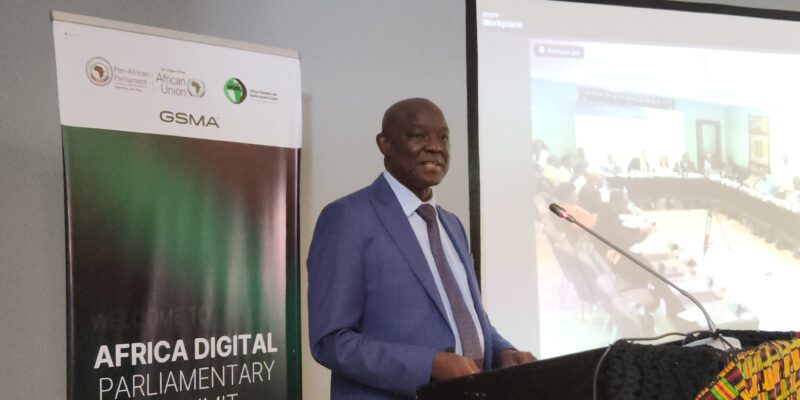
The African Union (AU) Pan-African Parliament (PAP) has called for the harmonization of Artificial Intelligence (AI) policies across the continent to address challenges associated with emerging technologies.
PAP also emphasized the urgent need to close the digital divide in Africa, where nearly two-thirds of the population remains unconnected to the internet, and to adopt clear frameworks for technologies like AI.
Chairperson of the PAP Committee on Health, Labour and Social Affairs, Dr. Kesitegile Gobotswang, made the call during a three-day high-level joint capacity-building workshop in Lusaka.
The event, held at Radisson Blu Hotel, brought together government, industry, and research stakeholders to shape Africa’s digital future.
Gobotswang through a communique released on Monday advocated for increased budgetary allocations towards digital infrastructure, research, development, and support for both vocational and higher education in AI.
He called on governments to boost funding for relevant academic institutions.
“There is a need for enhanced collaboration between African Union organs and civil society organizations to develop and implement an African-led governance framework on AI,” he said.
Gobotswang also encouraged African nations to support cross-border research projects targeting AI solutions to shared healthcare burdens and strengthening supply chain resilience.
He emphasized that a united approach was essential to harness the benefits of AI while managing its risks and ensuring its advantages were widely shared across the continent.
“African countries must establish formal multi-stakeholder platforms to review progress, monitor policy harmonization, and collaborate with relevant organizations,” he added.
He further called for continuous technical training, research, and knowledge exchange on AI ethics, data governance, digital health, and smart manufacturing—particularly for members of parliament and their technical staff.
Gobotswang urged countries like Zambia to start developing national AI capacity frameworks to assess sectoral readiness and initiate leadership programs to help policymakers understand the strategic value of AI.
“There is a strong need for capacity building, knowledge sharing, and leadership development to unlock AI’s potential in Africa,” he said.
He also stressed the importance of generating policy-relevant research on the socio-economic impact of digital transformation and supporting the ratification and domestication of the Malabo Convention, which focuses on cybersecurity and personal data protection in Africa.
Gobotswang urged AU member states to integrate AI, smart manufacturing, and digital health into their national development plans, and to mobilize resources, technical expertise, and cross-sectoral partnerships.
GSMA Senior Director, Kenechi Okeleke, highlighted the crucial role of internet connectivity in accelerating Africa’s development.
“We need stronger partnerships between governments and industry to close the connectivity gap. This is essential for deploying transformative digital solutions—from smart manufacturing to digital health,” Okeleke said.
Meanwhile, Anthony Mveyange, Director of Programs–Synergy at the African Population and Health Research Center, underscored the importance of regional AI frameworks that foster innovation, attract investment, and protect vulnerable populations.
Mveyange called for strengthened capacity among lawmakers to better understand and govern AI and other emerging technologies.
WARNING! All rights reserved. This material, and other digital content on this website, may not be reproduced, published, broadcast, rewritten or redistributed in whole or in part without prior express permission from ZAMBIA MONITOR.











Comments