
 By
By 
Zambia has reaffirmed its strong commitment to the International Conference on Population and Development (ICPD) Programme of Action, highlighting the importance of multilateral cooperation during the 59th Session of the Commission on Population and Development at the United Nations Headquarters.
The ICPD programme prioritises human rights, social justice, and the empowerment of women and youth.
Delivering Zambia’s National Statement, Stenah Shampile, Chargé d’Affaires at the Zambian Mission in Washington, said technology, research, and data were critical tools for advancing human dignity and sustainable development.
She noted that Zambia’s participation in global platforms fostered cooperation, built strategic partnerships, and supports knowledge exchange.
Shampile highlighted Zambia’s progress in sexual and reproductive health, pointing out that the demand for family planning met by modern methods has risen from 19.6 percent in 1992 to 73.9 percent in 2024.
“Skilled birth attendance has nearly doubled to 94 percent, and facility-based deliveries have increased to 93 percent,” she said, adding that these gains reflected the government’s commitment to universal health coverage and equitable service delivery.
She also cited Zambia’s adoption of geo-referenced, gender-responsive Carrying Capacity Assessments (CCA), which mapped social services across all 116 districts and integrate population and gender data to improve coordination, financing, and service delivery.
Shampile acknowledged ongoing challenges, including an adolescent childbearing rate of 28 percent and maternal mortality accounting for 10 percent of deaths among women of reproductive age.
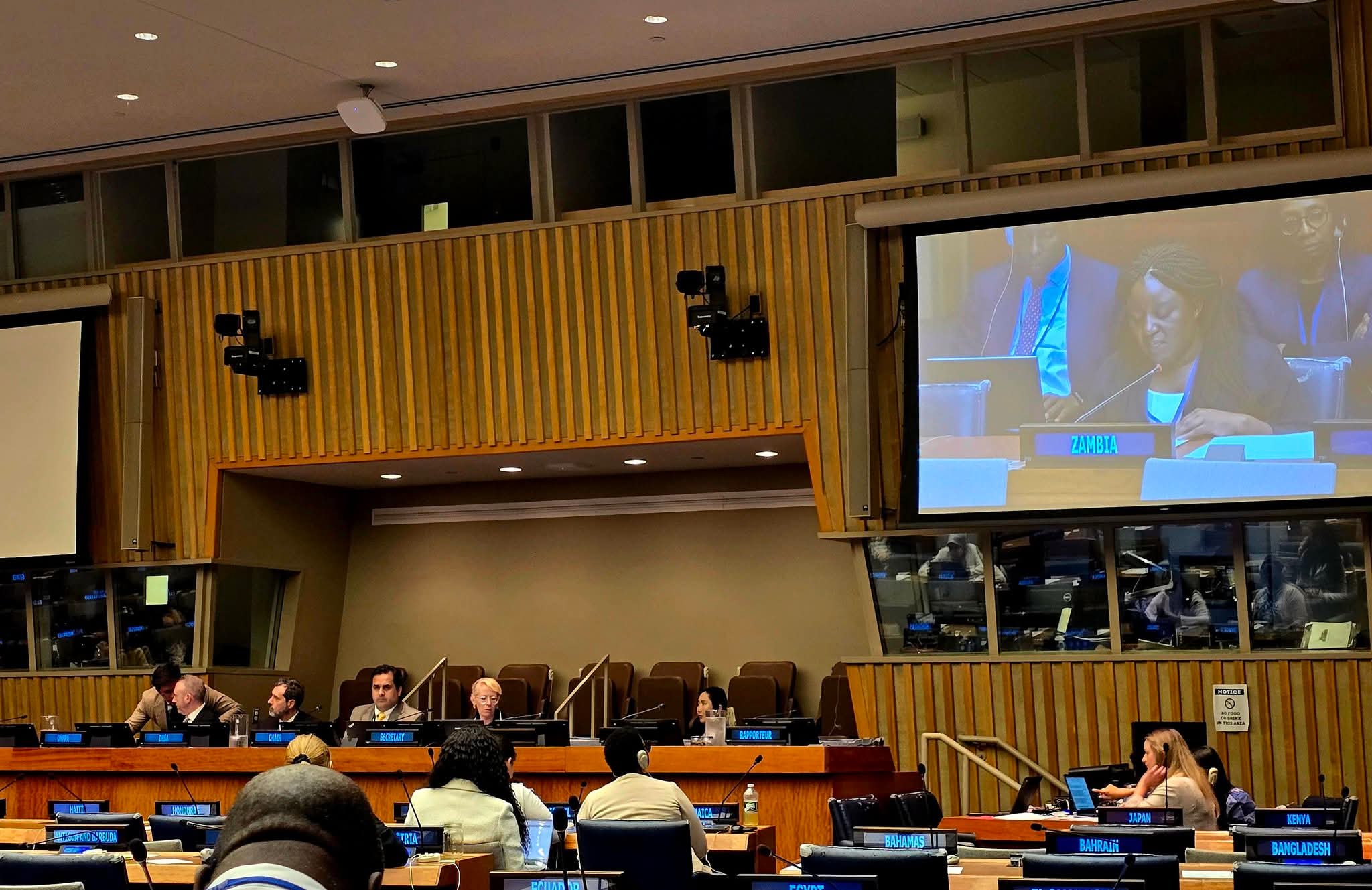
She reaffirmed Zambia’s resolve to expand voluntary family planning and strengthen adolescent-focused programmes to ensure universal access to sexual and reproductive health services.
On digital transformation, Shampile said Zambia was integrating ICT across all levels of education under the Ministry of Education’s 2022–2026 Strategic Plan.
She added that digital platforms and e-learning tools were increasingly reaching rural communities, boosting digital literacy and improving access to reproductive health information for young people.
“Participation in global forums enables Zambia to showcase progress, learn from shared experiences, and mobilise support to bridge the digital divide,” she said.
She further reaffirmed Zambia’s commitment to South-South cooperation in research and innovation to ensure that development benefits reach the most vulnerable populations—particularly women, girls, and youth.
Shampile was accompanied by Pamela Kauseni, Director of the Population Department at the Ministry of Finance and National Planning, along with other senior government officials.
WARNING! All rights reserved. This material, and other digital content on this website, may not be reproduced, published, broadcast, rewritten or redistributed in whole or in part without prior express permission from ZAMBIA MONITOR.












Comments