
 By
By 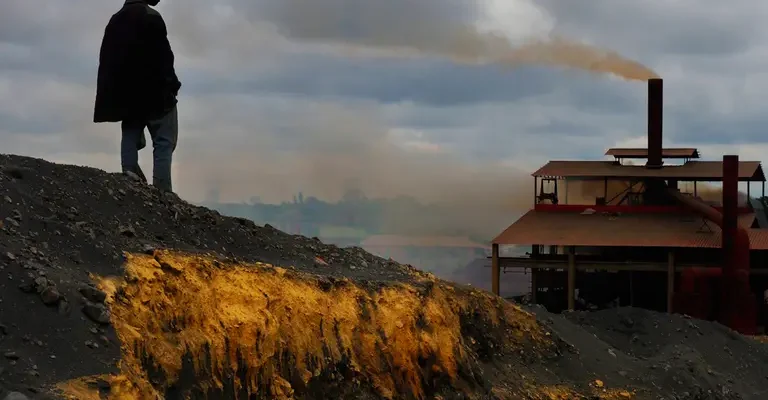
The Institute for Human Rights and Development in Africa (IHRDA), together with affected families, has filed a complaint before the African Committee of Experts on the Rights and Welfare of the Child against Zambia over alleged lead poisoning affecting children in Kabwe.
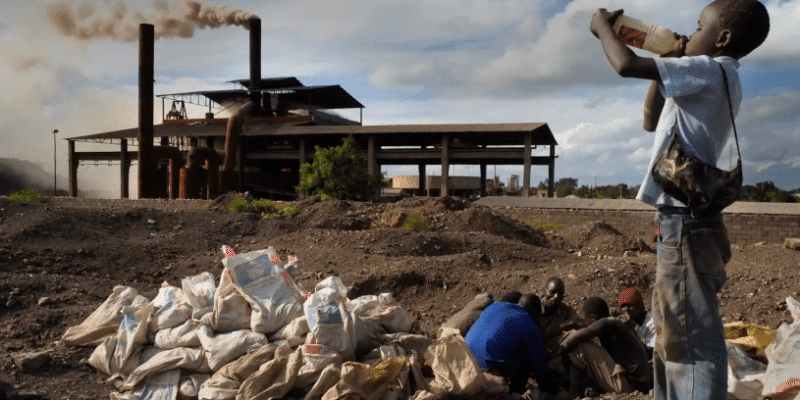
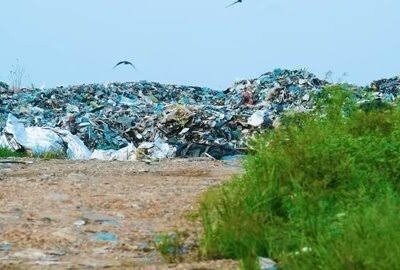
The case seeks accountability and urgent remedies for what the applicants say are decades-long violations of children’s rights resulting from severe environmental contamination linked to historic and current mining activities in Kabwe—considered among the most lead-polluted towns in the world.
The group alleged that despite repeated warnings, studies and recommendations from African Union and United Nations human rights bodies, children in Kabwe continued to be exposed to dangerously high lead levels.
The exposure has reportedly caused irreversible harm, including cognitive impairment, stunted growth, learning difficulties, chronic illness and, in some cases, death.
“New mining and processing activities have further aggravated the crisis, deepening children’s exposure to toxic waste,” the complaint reads.
The filing alleges violations of the African Charter on the Rights and Welfare of the Child, including breaches of children’s rights to health, education, survival and development, leisure and play, and the overarching principle of the best interests of the child.
“For generations, children in Kabwe have been forced to grow up in a toxic environment that no child should ever be subjected to,” said Dr. Musa Kika, IHRDA’s Executive Director.
Kika said the case aimed to end “a cycle of neglect” and compel concrete, child-centred action. He added that the scientific evidence was “clear,” the harm “undeniable,” and the State had been “on notice for years.”
The applicants are asking the Committee to fine Zambia in violation of its obligations under the African Children’s Charter and to order urgent remedies.
These include immediate containment and removal of lead contamination sources in Kabwe, suspension of hazardous mining and waste-processing activities, and comprehensive, sustained lead testing and treatment for all affected children.
The group also demands long-term environmental remediation of contaminated soil, homes, schools and play areas, as well as special protection measures for affected children, including access to education and healthcare.
It further calls for strengthened oversight of mining activities to prevent further harm.
The applicants argue that short-term or incremental interventions have failed to protect children and that only a holistic, rights-based response can address the scale of the crisis.
“This is a test of whether children’s rights truly come first when weighed against economic interests. The future of Kabwe’s children depends on decisive action, not promises,” Kika said.
WARNING! All rights reserved. This material, and other digital content on this website, may not be reproduced, published, broadcast, rewritten or redistributed in whole or in part without prior express permission from ZAMBIA MONITOR.








Comments