
 By
By 
This election is slowly turning into a national embarrassment.
Yes, the ruling party has mastered the art of political engineering. Opposition figures are being dragged through legal obstacle courses, nominations are manipulated by technicalities, and institutions that are supposed to inspire confidence are increasingly viewed with suspicion.
That part is obvious to anyone paying attention. But the opposition must also be told the uncomfortable truth.
How do you parade yourselves as learned lawyers, constitutional experts and seasoned politicians, yet every election cycle you look shocked by tactics that have been used across Africa for decades?
Politics is not church choir practice. It is strategy, timing, numbers, anticipation and survival. You do not walk into a lion’s den carrying law books and naïveté.
Some opposition leaders have changed political alliances, symbols and positions so often that voters can barely keep up anymore. Today this symbol, tomorrow another.
One alliance this month, another next month. At this rate, some are changing political identities more frequently than people change underwear. And then they wonder why the public struggles to trust them with State House.
A serious opposition does not wait for nomination day to discover legal traps. A serious opposition studies the battlefield years in advance. Look at Senegal, where opposition forces built disciplined mobilisation structures despite pressure.
Look at Kenya, where political survival depends on constant organisation and voter protection. Look at South Africa, where opposition parties understand that perception, coordination and messaging matter just as much as legal arguments.
In Zambia, too many opposition figures behave like activists on Facebook instead of statesmen preparing to govern a country of over 20 million people.
The painful truth is this: President Hakainde Hichilema and the UPND are not only benefiting from incumbency; they are also benefiting from an opposition that often appears scattered, emotional, reactive and politically immature.
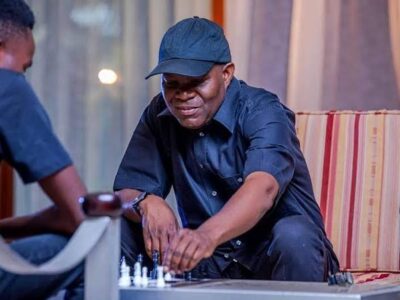
While one side is playing chess, the other side sometimes looks like it is still arguing over how to arrange the board and yet, despite all this, I still believe in the Zambian people.
But citizens alone cannot rescue an opposition that refuses to organise itself properly. Zambians need a united front, competent polling agents, legal preparedness, consistent messaging and leadership that inspires confidence instead of confusion. Without that, frustration alone will not produce change.
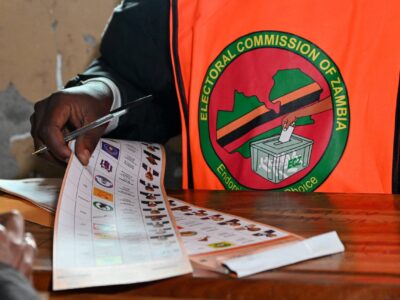
At this point, international scrutiny is no longer optional; it is necessary. These elections require robust observation from regional and international bodies to ensure transparency, fairness and accountability.
Democracy cannot survive where institutions appear compromised and the opposition looks perpetually unprepared.
As for Members of Parliament, that responsibility now rests squarely with the people. Every candidate standing on the UPND ticket must be questioned thoroughly. What laws did they support?
What did they defend? Did they stand with struggling citizens, or did they simply become passengers in a government increasingly accused of arrogance, disconnection and political manipulation?
History is watching Zambia very closely, and so are we.
WARNING! All rights reserved. This material, and other digital content on this website, may not be reproduced, published, broadcast, rewritten or redistributed in whole or in part without prior express permission from ZAMBIA MONITOR.





Comments