
 By
By 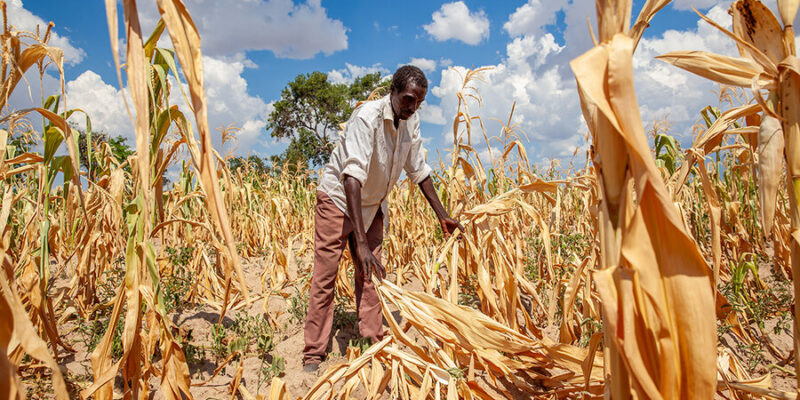
Zambia has intensified preparedness and anticipatory measures to safeguard national food security and protect farmer livelihoods ahead of forecasts showing a high likelihood of El Niño conditions during the 2026/2027 agricultural season.
Ministry of Agriculture Principal Public Relations Officer, Bhalewa Zyuulu, announced the development of a Comprehensive Agriculture and Food Security Cluster Response Framework designed to strengthen resilience within the agricultural sector.
In a statemeng issued in Lusaka on Saturday, Zyuulu said the framework sought to reduce potential negative impacts of climate variability on crop production and food availability through early preparedness and coordinated response mechanisms.
He stated that it also relied on strengthened collaboration among key stakeholders across the agricultural value chain.
“The Ministry has developed a Comprehensive Agriculture and Food Security Cluster Response Framework designed to strengthen resilience within the agricultural sector and reduce the potential negative impacts of climate variability on crop production and food availability,” Zyuulu said.
He said the preparedness measures drew lessons from previous climate-related shocks and focused on promoting climate-resilient agricultural practices.
He also said that the government was promoting conservation agriculture practices, drought-tolerant and early-maturing crop varieties, expanded irrigation systems, and improved water-harvesting technologies.
“Farmers are being encouraged to integrate these practices into their production systems to reduce vulnerability to anticipated dry conditions,” Zyuulu said.
He stated that the Ministry had developed a wide range of climate-smart crop varieties tailored to Zambia’s agro-ecological conditions to help farmers adapt to changing climatic conditions.
Zyuulu said the Government had intensified measures to strengthen agricultural resilience and food security through nationwide soil testing, large-scale soil fertility mapping, and nutrient management studies to support informed farming decisions.
“Government remains committed to ensuring national food security and sustaining agricultural productivity despite the anticipated climatic challenges,” Zyuulu said.
He stated that to safeguard national food supplies, the Food Reserve Agency was strengthening strategic grain reserve management.
Zyuulu added that enhanced surveillance systems and pre-positioning of control inputs were also improving preparedness against crop pests and diseases, including Fall Armyworm.
“Government is promoting weather-based agricultural insurance and expanding access to irrigation infrastructure. It is also supporting adoption of climate-smart technologies through partnerships with the private sector and development partners,” he said.
Zyuulu said the Ministry, working with the Ministry of Green Economy and Environment and the Disaster Risk Management Division, would continue providing timely weather, climate, and agro-meteorological information to farmers and stakeholders.
He urged farmers to follow official advisories, adopt recommended climate-smart agricultural practices, and work closely with extension officers to enhance resilience and mitigate the potential impacts of the projected dry spell.
WARNING! All rights reserved. This material, and other digital content on this website, may not be reproduced, published, broadcast, rewritten or redistributed in whole or in part without prior express permission from ZAMBIA MONITOR.










Comments