
 By
By 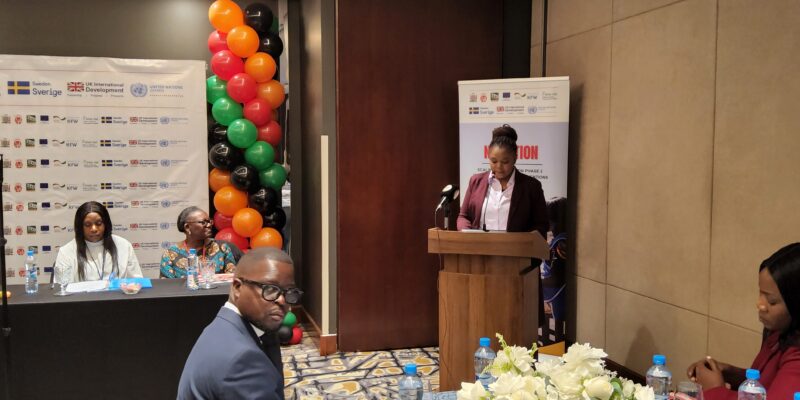
Zambia recorded a reduction in child stunting from 28.9 percent to 23.8 percent between 2019 and 2025 under the Scaling Up Nutrition / First 1,000 Most Critical Days Programme (SUN/MCDP II), according to the latest Endline Survey evaluation.
The evaluation assessed programme performance from 2019 to 2025 across programme districts, covering nutrition outcomes, service coverage, household practices, and enabling systems.
Ministry of Health Permanent Secretary Kennedy Lishimpi launched the Survey evaluation in Lusaka on Friday in a speech read on his behalf by Director for Public Health, Dr. Kakungu Simpungwe.
The survey evaluation produced by the National Food and Nutrition Commission (NFNC), however, warned that rising hunger and worsening child diets threatened to reverse the gains.
It emphasized that coordinated multi-sectoral investments could contribute to reducing chronic malnutrition even in challenging contexts.
Significant improvements were also recorded in child health and Diarrhoea prevalence among children under two fell from 35.3 percent to 21.3 percent.
Care-seeking for diarrhoea increased from 67.2 prcent to 76.8 percent, Vitamin A supplementation rose from 67.1 percent to 87.0 percent, and deworming coverage increased from 53.9 percent to 83.1 percent.
“Improved access to preventive and curative health services likely contributed to reductions in infection and improvements in child growth outcomes,” the evaluation said.
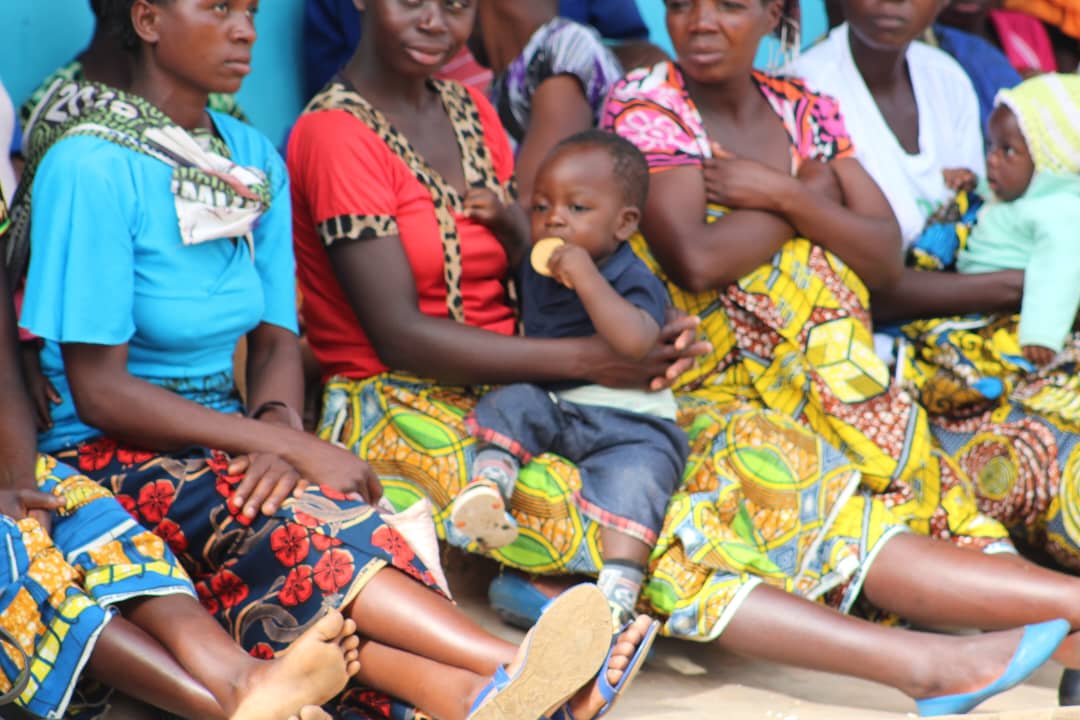
Breastfeeding practices strengthened during the period and early initiation of breastfeeding increased from 75.5 percent to 88.0 percent.
“Improved infant feeding practices provide an important foundation for child survival, growth, and development,” it notes.
Read More: Zambia launches campaign to tackle child hunger, malnutrition
Access to improved drinking water increased from 33.2 percent to 63.1 percent, while access to improved sanitation rose from 17.6 percent to 43.0 percent.
The NFNC Survey noted that improved WASH conditions reduced exposure to infections and contributed to better nutrition and health outcomes.
Community volunteers, neighbourhood support groups, care groups, lead farmers, and local coordination structures played a key role.
The evaluation credits improved caregiving practices and strong community engagement, stating community systems remain essential for delivering nutrition, health, agriculture, and behaviour change interventions at scale.
Despite these gains, the survey found several indicators deteriorated over the programme period with minimum dietary diversity declining from 23.4 percent to 17.1 prrcent.
Minimum acceptable diet fell from 17.0 percent to 9.1 percent, and Minimum Meal Frequency dropped from 43.7 percent to 38.1 percent.
Severe household hunger increased from 45.8 percent to 76.0 percent, while household dietary diversity declined significantly and acute malnutrition also rose, with wasting increasing from 3.6 percent to 4.4 percent.
“Knowledge and service access alone are insufficient when households face poverty, food insecurity, climate shocks, and rising food prices,” the survey warns.
The findings stated that gains were constrained by household poverty, food insecurity, and climate-related shocks and highlight the need to bridge the gap between nutrition knowledge and households’ ability to access and afford diverse, nutritious foods.
The survey concluded the strongest pathway for reducing stunting combined improved health services, better water and sanitation, reduced childhood illness, improved caregiving practices, and strong community engagement.
WARNING! All rights reserved. This material, and other digital content on this website, may not be reproduced, published, broadcast, rewritten or redistributed in whole or in part without prior express permission from ZAMBIA MONITOR.











Comments