
 By
By 
Government has called for urgent and coordinated action to protect Zambia’s food security ahead of anticipated 2026/2027 El Niño conditions, warning that climate shocks could undermine agricultural production and the country’s economic gains.
Ministry of Agriculture Permanent Secretary for Technical Services, John Mulongoti, said weather forecasts must be translated into timely investments and practical interventions across the agricultural value chain.
Mulongoti was speaking in a speech read for him by Zambia Agriculture Research Institute (ZARI) director, Patrick Chikoti during a National Dialogue on Climate-Resilient Agriculture and Renewable Energy organised by the Agricultural Consultative Forum (ACF) on Thursday at Radison Blu.
The dialogue was held under the theme, “From Climate Outlook to Action: Building Agricultural Resilience Ahead of the 2026/2027 El Niño.”
Mulongoti said climate variability posed a threat to Zambia’s economic and social gains if not addressed through proactive measures.
“The theme appropriately captures the need to move beyond understanding climate risks towards translating climate information into timely decisions, investments, and practical interventions,” he said.
Read more: Zambian govt rolls out El Niño plan to protect farmers, food supply
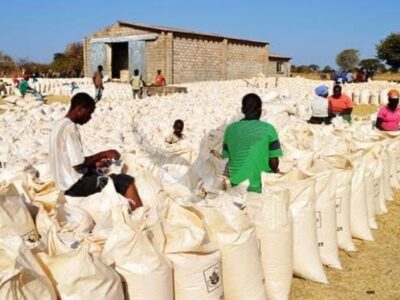
He said although the country recorded more than five million metric tonnes of maize during the 2025/2026 farming season under the Grow Zambia Agenda, persistent dry spells and erratic rainfall required Zambia to move away from overreliance on rain-fed agriculture
Mulongoti said government was targeting 500,000 hectares of land under irrigation by 2031, supported by tax incentives for private sector investors and farmers.
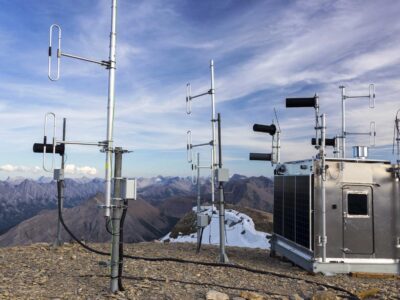
He said priority would also be given to solar-powered and off-grid irrigation systems to support agricultural processing, cooling and storage.
Other measures include rolling out the electronic voucher system under the Farmer Input Support Programme (FISP) across all 10 provinces and 116 districts, while financial institutions have been encouraged to expand agricultural insurance to protect farmers from climate-related losses.
Meanwhile, Ministry of Green Economy and Environment Permanent Secretary, Douty Chibamba, said severe weather shocks posed a direct threat to Zambia’s food and energy security.
ACF Board Chairperson, Renford Gombwa, called on government to increase allocations towards climate-smart infrastructure in the 2027 National Budget, particularly renewable energy, modern crop storage and accessible green financing.
WARNING! All rights reserved. This material, and other digital content on this website, may not be reproduced, published, broadcast, rewritten or redistributed in whole or in part without prior express permission from ZAMBIA MONITOR.








Comments