
 By
By 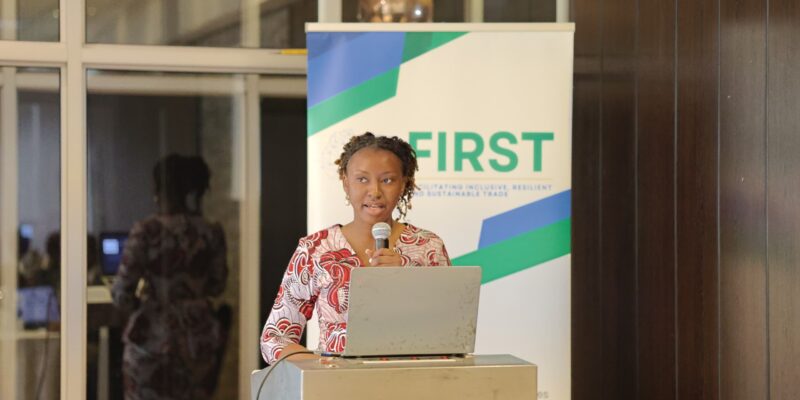
Zambia has begun the process of domesticating the African Continental Free Trade Area (AfCFTA) Protocol on Women and Youth in Trade, with the government calling for practical measures to increase the participation of women and young people in regional and continental commerce.
In a statement issued on Tuesday, Permanent Secretary for Trade and Commerce, Lillian Bwalya, said the process was an important step towards translating Zambia’s continental commitments into tangible economic opportunities for women and youth.
Speaking during the official opening of a three-day technical workshop on the domestication of the Protocol, held from Sept. 21 to 23, 2026, Bwalya said Zambia needed evidence-based interventions to address barriers preventing women and young people from fully participating in trade.
Read more: Zambia intensifies trade facilitation efforts
Her speech was delivered on her behalf by Senior Bilateral and Regional Trade Officer in the Ministry of Commerce, Trade and Industry, Malala Siakalenge Suleman.
The workshop brings together stakeholders to assess Zambia’s readiness to domesticate the Protocol and develop an assessment framework, consultation mechanisms, a domestication action plan and a monitoring and evaluation framework.
Bwalya cited findings from a UNDP Country Scan Report showing that 73% of Zambia’s small and medium enterprises were unregistered, while 87% were women-led and 76% were youth-led.
The report further indicated that 82% of SMEs lacked awareness of relevant trade agreements, while 90% had never used AfCFTA provisions.
“These figures present a picture that demands proactiveness from all stakeholders to ensure our women and youth rise above the many barriers they continue to experience and transform into key economic actors in Zambia’s economic diversification and development pathway,” she said.
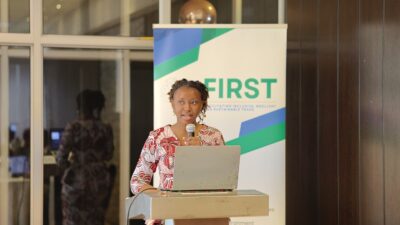
Meanwhile, FIRST Project Team Leader, Nadira Bayat, said the Protocol represented an important step towards making AfCFTA more inclusive.
She said expanding markets alone was insufficient if women and young people could not access those markets because of specific barriers affecting their participation in trade.
Bayat said the domestication process should also consider disability inclusion under the broader Gender Equality, Disability and Social Inclusion approach adopted by the Facilitating Inclusive, Resilient and Sustainable Trade (FIRST) Project.
She said the assessment was nationally led and would draw on the experience of relevant institutions, women, youth and traders with disabilities.
“Ultimately, this work is about moving from commitment to implementation, ensuring that the Protocol translates into concrete measures that strengthen the participation of women and young people in trade,” Bayat said.
WARNING! All rights reserved. This material, and other digital content on this website, may not be reproduced, published, broadcast, rewritten or redistributed in whole or in part without prior express permission from ZAMBIA MONITOR.





Comments