
 By
By 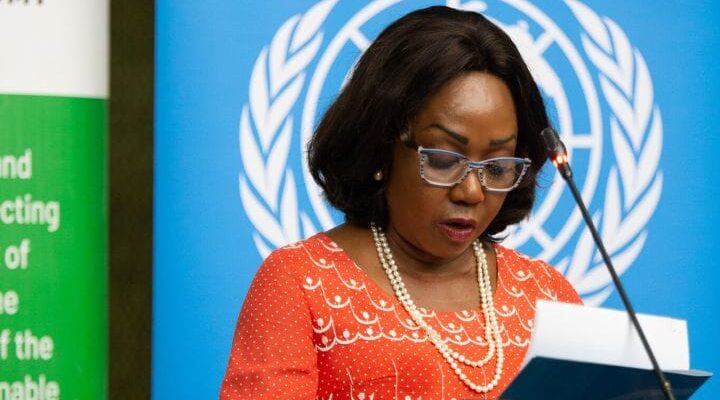
The Food and Agriculture Organization of the United Nations (FAO) has launched a US$500,000 two-year project aimed at transforming Zambia’s food systems, improving food security and strengthening resilience to climate and economic shocks.
The Technical Cooperation Programme (TCP), titled “Catalyzing Transformative and Sustainable Food Systems in Zambia,” will address challenges including post-harvest losses, limited crop diversification, food safety risks and malnutrition.
Speaking during the launch in Lusaka on Tuesday, FAO Representative in Zambia, Suze Filippini, said sustainable transformation of the country’s food systems required stronger coordination across sectors and stakeholders.
“Transforming food systems cannot be achieved by one institution, one sector, or one project working alone. It requires strong national leadership, effective coordination, and sustained collaboration among the Government, development partners, the private sector, civil society, academia, and local farmers,” Filippini said.
Read more: FAO calls for coordinated action to transform Zambia’s food systems
She said the two-year programme would focus on building systems capable of delivering lasting results beyond the lifespan of the project.
Filippini said the initiative was aligned with FAO’s four global priorities of Better Production, Better Nutrition, a Better Environment and a Better Life.
She said success should ultimately be measured by improvements in the lives of farmers and consumers, including better access to markets and safe, nutritious and diverse food.
Officiating at the launch, Permanent Secretary for Administration in the Office of the Vice-President Lillian Kapusana said Zambia’s food-system challenges required a coordinated, multisectoral response.
Kapusana said Zambia had made progress in reducing child stunting, which declined from 35% in 2019 to 32% in 2026, but more work was required to achieve Sustainable Development Goal Two on ending hunger by 2030.
She said the country continued to rely heavily on maize in both production and consumption, while diversification into nutrient-rich crops, livestock, fisheries and other foods remained limited.
“The country continues to experience production and consumption patterns that are heavily centered on maize, while diversification into nutrient-dense crops, livestock, fisheries, and other nutritious foods remains low,” Kapusana said.
She identified climate variability, post-harvest losses, limited dietary diversity and food safety risks, including aflatoxin contamination, as challenges affecting public health and economic development.
WARNING! All rights reserved. This material, and other digital content on this website, may not be reproduced, published, broadcast, rewritten or redistributed in whole or in part without prior express permission from ZAMBIA MONITOR.








Comments