
 By
By 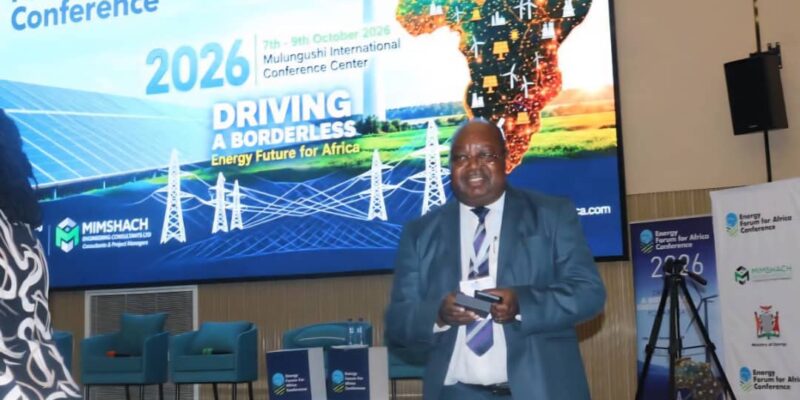
Zambia has called for stronger regional oil pipeline integration and harmonised open-access frameworks to reduce fuel transportation costs, strengthen energy security and promote cross-border trade across Africa.
Ministry of Energy Permanent Secretary for Energy, Professor Ephraim Munshifwa, said reliance on road transportation, congested ports and fragmented supply corridors has become too costly for the continent.
He said road transport continued to increase fuel costs and exposes countries, particularly landlocked nations like Zambia, to supply disruptions and price volatility.
Munshifwa was speaking during the Energy Forum for Africa Conference in Lusaka, held under the theme “Building a Borderless Future for Africa,” at the Mulungushi International Conference Centre.
He said Africa needs to move from fragmented national fuel supply systems to integrated regional infrastructure to achieve competitiveness.
“Regional oil pipelines could significantly lower logistics costs, improve the reliability of fuel supplies and enhance the competitiveness of African economies,” Munshifwa said.
He argued that pipeline transportation offered a more efficient and safer alternative to road freight, with potential to cut logistics costs significantly.
“Pipeline transportation offered a more efficient alternative to road freight, with the potential to reduce logistics expenditure by up to 60 percent,” he said.
Munshifwa said investment in cross-border pipelines would de-congest ports such as Dar es Salaam and Beira, reduce carbon emissions and improve turnaround times for fuel imports.
He emphasised the need for transparent and non-discriminatory open-access arrangements to allow licensed oil marketing companies fair access to pipeline capacity.
Read More: Africa GreenCo to drive renewable energy growth through ZamWatt platform
Munshifwa said such frameworks would promote competition, prevent monopolistic control of strategic infrastructure and attract private investment.
“Harmonised regional regulations, public-private partnerships and modern digital monitoring systems are essential to developing efficient cross-border infrastructure,” he said.
He said regional pipeline integration directly advanced the objectives of the African Continental Free Trade Area (AfCFTA) by lowering trade costs and improving energy access.
Munshifwa added that government was engaging regional partners and development finance institutions to structure bankable pipeline projects through public-private partnerships.
He said Zambia was committed to working with neighbouring countries to develop harmonised tariff methodologies and safety standards for regional pipelines.
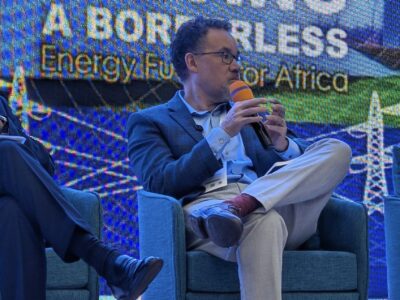
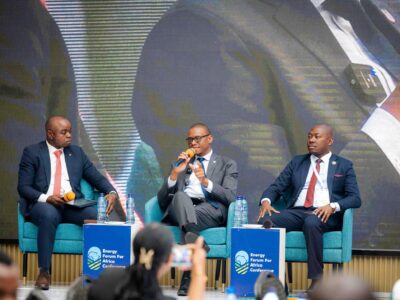
The three-day Energy Forum for Africa has drawn energy ministers, regulators, private sector players and development partners to discuss solutions for accelerating energy integration on the continent.
WARNING! All rights reserved. This material, and other digital content on this website, may not be reproduced, published, broadcast, rewritten or redistributed in whole or in part without prior express permission from ZAMBIA MONITOR.










Comments