
 By
By 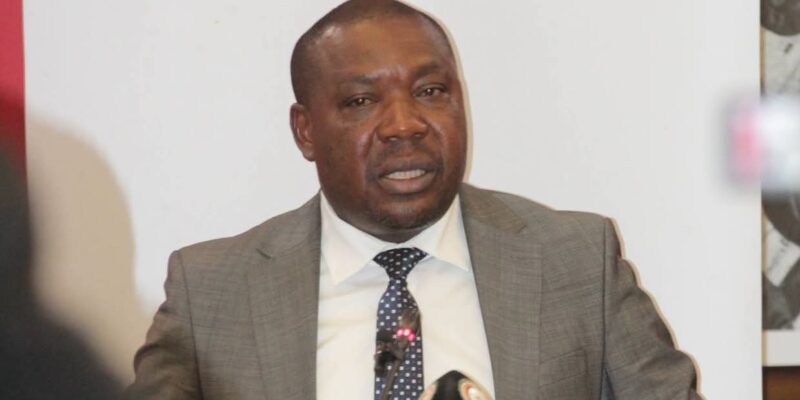
Zambia’s target of producing three million tonnes of copper annually by 2031 will require significant investment in the energy sector, acting Ministry of Mines and Minerals Development Permanent Secretary, Anthony Chilengi, has said.
Chilengi said the mining and energy sectors must develop hand-in-hand, as increased mineral production, processing and value addition would require adequate and reliable electricity supply.
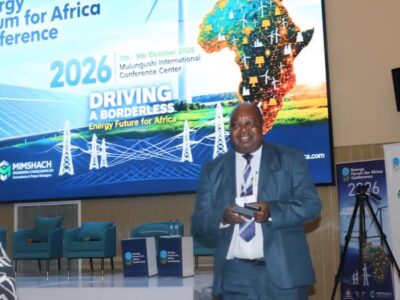
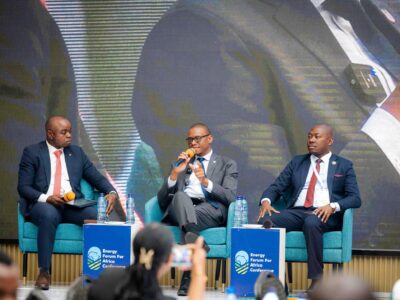
Speaking at the 2026 Energy Forum for Africa Conference in Lusaka on Thursday under the theme “Harnessing Zambia’s Mineral Wealth for Sustainable Energy Future”, Chilengi said power must remain central to the country’s economic growth ambitions.
“Each time we talk about the growth agenda, power must come first because it is an enabler,” he said.
Read more: Zambia calls for regional oil pipeline integration to boost energy security
Chilengi noted that Zambia’s copper production stood at about 890,000 tonnes as of December 2025, meaning achieving the 3 million tonnes target would require a major expansion in energy capacity.
He said the government’s ambition to grow copper output was already being supported by increased activity in the mining sector, including the capitalisation of Mopani Copper Mines and expansion projects at Kansanshi and Lumwana mines.
He cited First Quantum Minerals’ Kansanshi S3 project and Lumwana’s Super Pit expansion as key developments expected to significantly increase production.
“Kansanshi and Lumwana, after these projects are completed, we are talking about those FQM assets producing way above 500,000 tonnes. That is massive and that requires more energy,” Chilengi said.
He added that the Konkola Copper Mines’ Konkola Deep Mining Project (KDMP), currently under implementation, was expected to raise KCM’s production capacity to about 500,000 tonnes once completed.
“These are huge volumes that need a lot of power. So we have an opportunity to ensure that we invest into the energy sector,” he said.
Chilengi said Zambia’s mineral wealth should not only be used to meet global demand for critical minerals but should also strengthen domestic energy security, support industrialisation and create broader economic value.
He said reliable and competitively priced energy was essential across mining activities, including exploration, extraction, mineral processing and value addition.
The acting permanent secretary further linked mining growth to other sectors of the economy, including transport, agriculture, logistics, construction and manufacturing.
He said major projects such as the Lobito Corridor would require increased production capacity and supporting infrastructure, all of which depended on sufficient energy supply.
“If this corridor has to function, there will be need for warehouses, logistics and all this infrastructure that comes with these massive volumes. All this will require a lot of power,” he said.
WARNING! All rights reserved. This material, and other digital content on this website, may not be reproduced, published, broadcast, rewritten or redistributed in whole or in part without prior express permission from ZAMBIA MONITOR.







Comments