
 By
By 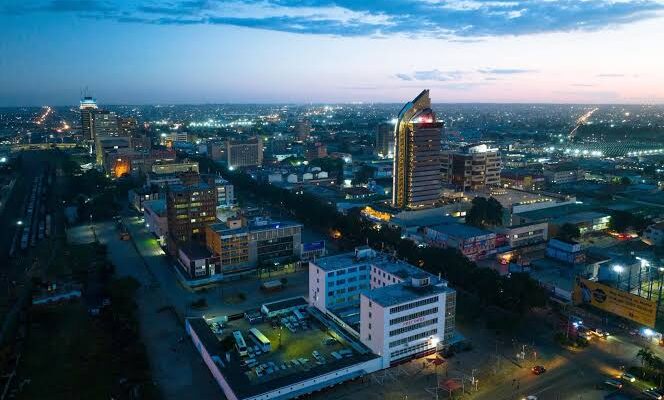
The cost of living for a family of five in Lusaka fell to K11,399.64 in September from K12,000.94 in August, a decrease of K601.30, the Jesuit Centre for Theological Reflection (JCTR) has said.
In its Basic Needs and Nutrition Basket (BNNB) report for September released on Wednesday, JCTR attributed the decline mainly to lower food prices, although essential non-food items recorded slight increases.
JCTR Programme Manager for Social and Economic Development, Lukwesa Musonda, said the monthly cost of vegetables fell from K979.70 to K763.97 for a 40kg bag, while bananas declined from K27.19 to K18.95.
Other price reductions included kapenta, which fell from K452.34 to K392.56 per kilogramme, Irish potatoes from K135.44 to K87.53 and roller mealie meal from K318.57 to K287.99.
Across the 16 districts covered by the survey, the September basket averaged K8,448.34, with nine districts recording costs above the average and seven below it.
Lusaka recorded the highest basket at K11,399.64, followed by Ndola at K10,348.63 and Solwezi at K9,996.91.
Kasama recorded the lowest basket at K6,281.76, followed by Chinsali at K6,387.58 and Choma at K6,793.85.
Musonda said vegetable prices remained volatile across the country, with notable declines recorded in Mongu, Solwezi and Mazabuka, while Chipata recorded increases in the prices of rape, bondwe and pumpkin leaves.
Read More: Cost of living continues to rise in Lusaka as JCTR flags risks of climate disruptions
Rice prices also declined in several districts, with the price of a 5kg bag in Lusaka falling from K155.64 to K144, while Mansa recorded a decline from K228.88 to K206.11 and Kitwe from K189 to K180.
On charcoal, Musonda said prices remained relatively stable. In Lusaka, the price of a 90kg bag increased slightly from K741.67 to K750, while Ndola recorded a decline from K770 to K750. Prices in Solwezi and Monze remained unchanged at K334.08 and K198 respectively.
Musonda urged the government to safeguard household welfare in the 2027-2029 Medium Term Budget Plan by promoting decent employment and income growth, increasing agricultural productivity and protecting low-income households from the impact of cost-reflective water and electricity tariff reforms.
She also called for stronger climate and food-system resilience, including targeted lifeline consumption bands for vulnerable households before tariff increases are implemented.
Musonda further urged increased investment in irrigation, storage, agroecology and strategic food reserves to strengthen food security and prevent future food price shocks.
WARNING! All rights reserved. This material, and other digital content on this website, may not be reproduced, published, broadcast, rewritten or redistributed in whole or in part without prior express permission from ZAMBIA MONITOR.










Comments