
 By
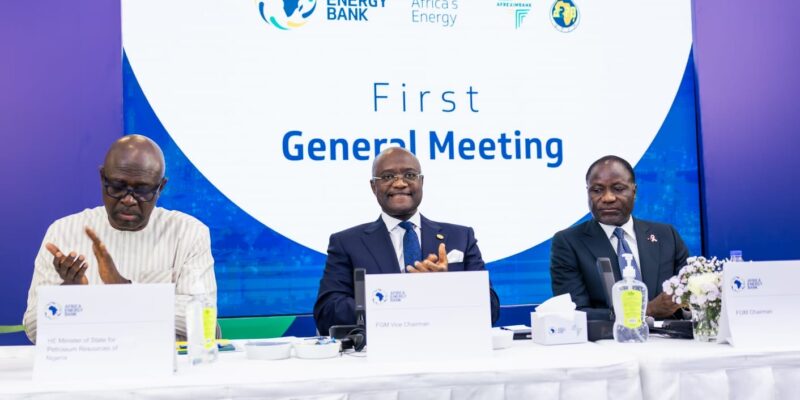
The African Export-Import Bank (Afreximbank) and the African Petroleum Producers’ Organisation (APPO) have established a US$5 billion Africa Energy Bank to finance energy projects across the continent amid declining investment in fossil fuels.
The announcement was made on Saturday during the bank’s inaugural general meeting in Abuja, Nigeria, where Helmy Ghazi was appointed as its first president.
The meeting also approved the formation of the bank’s first board of directors, comprising representatives from the public and private sectors, as well as policy institutions from across Africa.
Read more: Afreximbank says stronger compliance key to boosting African trade
The bank is being established at a time when Africa’s energy investment requirements are estimated at $200 billion, while traditional providers of short- and long-term financing are withdrawing funding from fossil fuel projects.
Afreximbank and APPO said the institution would help bridge the financing gap while supporting a just energy transition, as oil and gas remain important to the continent’s energy systems.
With an authorised capital of $5 billion, the bank will finance projects across the energy value chain, including exploration and production, transportation, processing, refining and distribution.
The investments are expected to strengthen Africa’s productive capacity, reduce dependence on imported petroleum products and increase trade in energy goods among African countries.
The bank will also seek to increase African participation in the energy sector, with the aim of ensuring that the continent’s energy development is driven by African governments, institutions and investors.
It will operate as an independent, supranational pan-African financial institution and mobilise capital from governments, national oil companies, financial institutions and private investors.
The promoters said the institution was intended to help African countries secure their energy supplies and attract investment needed to support industrialisation and emerging technologies, particularly artificial intelligence.
WARNING! All rights reserved. This material, and other digital content on this website, may not be reproduced, published, broadcast, rewritten or redistributed in whole or in part without prior express permission from ZAMBIA MONITOR.









Comments