
 By

The National Institute for Scientific Research (NISIR) says science, technology and innovation must be central to the Grow Zambia Agenda by translating research into practical solutions that increase productivity, strengthen industries and create sustainable economic opportunities.
NISIR Acting Executive Director, Dr. Alick Muvundika, said this in Lusaka on Friday during the institute’s Open Day, held under the theme: “Integrated Scientific Approaches for Accelerated Technological and Innovative Development.”
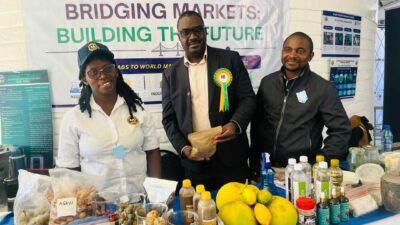
The Open Day provided a platform to showcase research outputs, promote innovation and strengthen partnerships for national development.
Muvundika said the institute’s research mandate covered plant and animal science, food technology, water development, energy and environmental development, as well as materials engineering.
He said NISIR sought to translate scientific knowledge into practical solutions that improve productivity, support industrialisation and address Zambia’s socioeconomic development challenges.
“Our research in plant and animal science, food processing and value addition can improve agricultural productivity, reduce post-harvest losses and strengthen food security,” he said.
On energy security, Muvundika said research in energy technologies and renewable energy solutions could support increased energy access, efficiency and sustainable industrial development.
Read More: Zambia calls for research on impact of AI on youth employment
“Research in energy technologies and renewable energy solutions can support increased energy access, efficiency and sustainable industrial development,” he noted.
On industrialisation and value addition, he said research in food technology and materials engineering could promote local manufacturing, product development and the utilisation of locally available raw materials.
“Research in food technology and materials engineering can promote local manufacturing, product development and the utilisation of locally available raw materials,” he said.
On water and environmental sustainability, Muvundika said research in water development and environmental management could support sustainable resource utilisation and climate resilience.
He said scientific innovation and technology development could also support tourism and economic diversification through new products, services and economic opportunities.
“NISIR recognised that research delivers greater value when translated into marketable products, technologies and services through effective technology transfer, private-sector partnerships and commercialisation,” he said.
Muvundika emphasised that achieving meaningful scientific and technological progress required strong partnerships among Government, industry, academia, researchers and development partners to accelerate innovation and translate research into practical solutions for national development.
WARNING! All rights reserved. This material, and other digital content on this website, may not be reproduced, published, broadcast, rewritten or redistributed in whole or in part without prior express permission from ZAMBIA MONITOR.











Comments