
 By
By 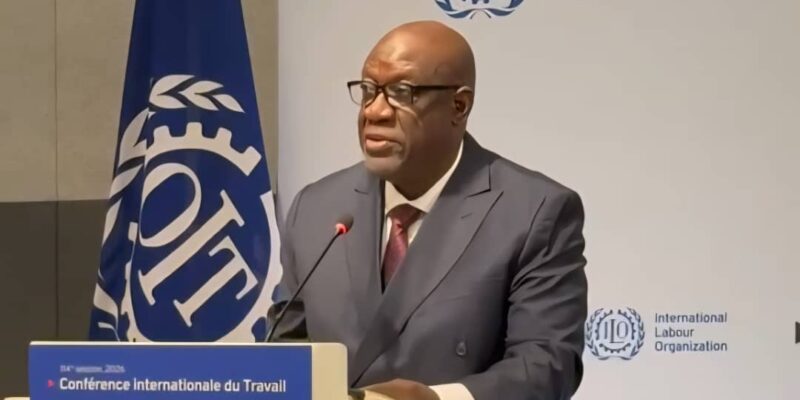
Zambia has called for continued research and evidence generation on the implications of Artificial Intelligence, especially regarding youth employment, skills transitions, and formalising informal labour markets.
Deputy Secretary to the Cabinet for Administration, Dr. Oliver Kalabo noted that for developing countries, harnessing AI should be considered alongside the realities of a youthful and growing population.
Kalabo made the call during the plenary discussion on the reports of the Chairperson of the Governing Body and the International Labour Organisation (ILO) Director-General at the 114th Session of the International Labour Conference in Geneva on June, 8, 2026.
He stated that as the labour market evolved, young people faced greater challenges transitioning from education to productive employment without adequate preparation and inclusion measures.
“As we shape the future of work, we must ensure that technological progress remains anchored in human dignity, inclusion, and social justice,” Kalabo said.
Read More: Artificial Intelligence can help Zambia leapfrog development stages —Gupta
He emphasized that Artificial intelligence should strengthen and not weaken human capabilities, expand opportunities, and support decent work for all.
Kalabo noted the need for enhanced technical cooperation, financial assistance, and capacity-building, to help developing countries expand apprenticeship opportunities, digital skills development, and workforce re-skilling.
He said such support was essential, particularly for young people, women, rural workers, workers in the informal economy and those at the front line who would be most impacted by technological change.
“Zambia appreciates the nuanced approach taken in the Director-General’s report, ‘A Moment of Choice: Harnessing Artificial Intelligence for Decent Work.’ We recognize the urgency, responsibility and opportunity arising from AI use,” Kalabo said.
He said Zambia agreed that AI could enhance productivity, strengthen public services, promote innovation, and support economic growth, if governed responsibly.
WARNING! All rights reserved. This material, and other digital content on this website, may not be reproduced, published, broadcast, rewritten or redistributed in whole or in part without prior express permission from ZAMBIA MONITOR.






Comments