
 By
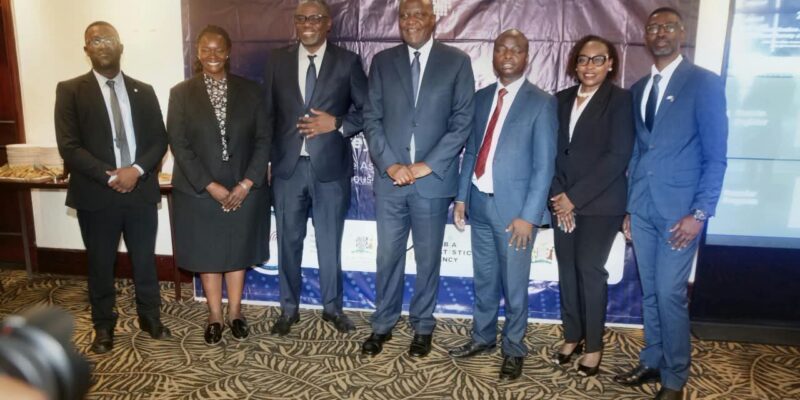
The World Bank has urged Zambia to increase investment in digital infrastructure, affordable internet and skills development to widen access to the digital economy and ensure more citizens benefit from technology-driven opportunities.
World Bank Representative Luke Mate said internet access had increased from 25.2% to 29.7%, while individual use of financial services rose from 49% in 2022 to 60% in 2025, according to findings from a recent survey.
He was speaking on Monday during the launch of the National Information and Communications Technology (ICT) Survey on Access and Usage of ICTs by Households and Individuals in Lusaka.
Mate said the findings highlighted the need to expand connectivity and ensure that digital technologies translated into better livelihoods, job creation and economic opportunities.
“The figures highlighted the need to expand connectivity and ensure that digital technologies translate into improved livelihoods, job creation and economic opportunities,” he said.
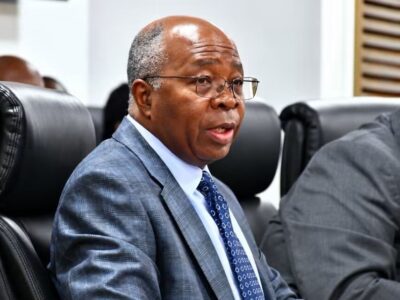
Technology and Science Minister, Felix Mutati, called for greater use of reliable data and digital technologies in national planning and public service delivery to accelerate development.
Mutati said accurate statistics were essential for measuring performance, identifying gaps and ensuring that national development targets were achieved.
He said development programmes should be guided by measurable data rather than estimates to ensure that resources were directed towards actual needs.
“The survey would provide important insights into Zambia’s digital development and help identify interventions needed to improve internet connectivity and access to public services,” Mutati said.
He identified digital identity, interoperability, artificial intelligence and effective data sharing as key priorities for advancing the country’s digital transformation.
Mutati cited the Government Service Bus, which recorded 1.2 million transactions last year and currently hosts 532 services, as an example of how technology could improve public service delivery.
Zambia Information and Communications Technology Authority (ZICTA) Director General, Collins Mbulo, called for concerted efforts to ensure that all citizens benefited from the growing digital economy.
Mbulo urged stakeholders to translate the survey findings into practical interventions to improve access, affordability and digital skills.
Zambia Statistics Agency Statistician General Sheila Mudenda underscored the importance of reliable and consistent statistics in guiding national planning and policy decisions.
Smart Zambia Institute National Coordinator, Percy Chinyama, urged stakeholders to use the survey findings as a baseline for measuring progress towards the country’s digital transformation targets.
WARNING! All rights reserved. This material, and other digital content on this website, may not be reproduced, published, broadcast, rewritten or redistributed in whole or in part without prior express permission from ZAMBIA MONITOR.










Comments