
 By
By 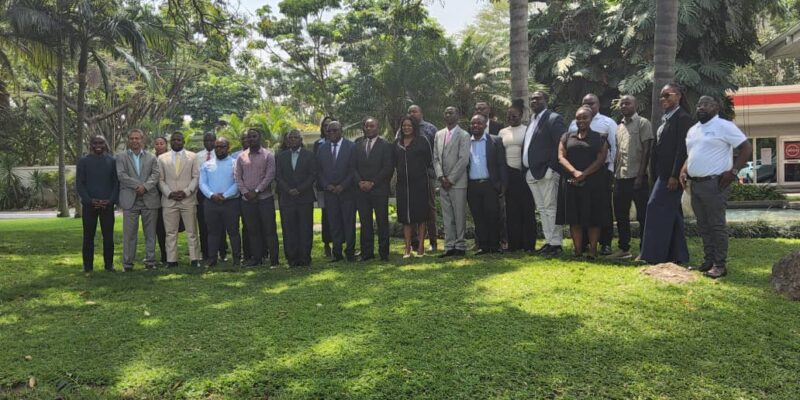
Civil Society groups have warned that Zambia’s push to become a leading supplier of minerals for the global energy transition must be matched with stronger environmental regulation and public participation to avoid repeating mistakes seen elsewhere in the region.
The Natural Resource Governance Institute (NRGI), and the Centre for Trade Policy and Development (CTPD) said the growing interest presented Zambia with significant opportunities for economic growth, industrialization and employment, but also raised the need to ensure mining was environmentally responsible and socially inclusive.
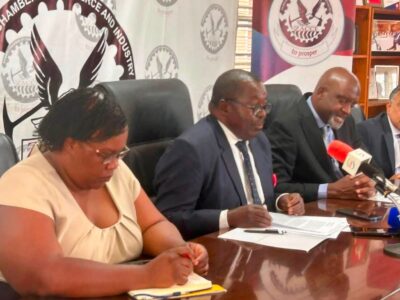
The call was made during a sensitisation workshop on Strengthening Environmental Governance under Zambia’s New Environmental Impact Assessment Regulations (SI No. 3 of 2026) co-hosted by the NRGI and CTPD, held at Southern Sun Hotel in Lusaka on Tuesday.
The meeting brought together government officials, civil society organisations, community representatives, media, academia and industry to discuss the implementation of Zambia’s 2026 Environmental Impact Assessment regulations.
Both NRGI and CTPD said the timing was critical as international demand for copper, cobalt, nickel and manganese intensifies, attracting investment from the US, China, India and other economies.
“The recognition that this country is also going through a lot of transitions following the shifts that are happening around the world is critical,” said CTPD Executive Director Isaac Mwaimpopo.
Mwaipopo noted that the world was undergoing the energy transition and there was an increase in demand for certain types of minerals feeding into electric manufacturing and artificial intelligence.
He stated that within Southern Africa only a few countries including Zambia, DRC, Zimbabwe and Mozambique hold major deposits of green minerals, placing the region at the center of global supply chains.
He cautioned that scaling up extraction without adequate oversight had already led to environmental degradation and safety failures in neighboring states.
“In Mozambique we have had experiences where there is pollution and contamination of strategic resources such as water. We also had a lot of situations where people mine in a way that can be considered largely unsafe and it has led to deaths,” Mwaipopo said.
He also said the review of existing legislation should be used to address gaps and build public confidence in the sector, urging stakeholders to contribute practical recommendations based on field experience.
“Coming up with a process such as this one to review existing legislation should give all of us an opportunity to provide input,” Mwaimpopo stated. “We encourage everyone in this room to pick from their best of experience and provide feedback as we look at the discussion we have today,” he added.
Similary, NRGI Energy Transition Advisor Silas Olang said experience from many countries demonstrated that regulations alone did not guarantee positive outcomes, but that, however, the real measure of success lies in implementation.”
Olang stressed that effective implementation of the new Environmental Impact Assessment (EIA) rules would require capable institutions, transparent processes and consistent monitoring of environmental and social commitments by mining companies.
“Civil society organisations, researchers, community representatives and the media play an essential role in promoting transparency, supporting affected communities, monitoring implementation and contributing evidence-based recommendations for continuous improvement,” he said.
Both organizations said they would continue to support information sharing and joint monitoring beyond the workshop and invited stakeholders unable to attend to submit recommendations via email.
NRGI and CTPD argued that Zambia could realize the benefits of mining while protecting communities and ecosystems only if laws were effectively implemented and all actors work together.
WARNING! All rights reserved. This material, and other digital content on this website, may not be reproduced, published, broadcast, rewritten or redistributed in whole or in part without prior express permission from ZAMBIA MONITOR.






Comments