
 By
By 
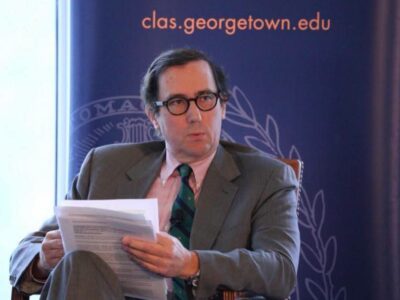
Decent work cannot exist where workers face deception, coercion, unsafe conditions or any form of abuse, says Centre on Human Trafficking Research and Outreach (CenHTRO) senior country coordinator Dr. Chishimba Nakamba Mulambia.
Reflecting on Zambia’s 2026 Labour Day theme, “Securing Zambia’s Future of Work through Protecting Jobs, Skills and Pensions for Decent Work,” Mulambia said the theme speaks directly to the urgent need to safeguard workers’ rights, strengthen social protection, and prevent exploitation—especially among vulnerable youths and young adults.
She said CenHTRO joins the nation in reaffirming that the future of work must be anchored in worker protection, social security, relevant skills development, and freedom from exploitation.
Mulambia stressed that decent work is impossible where workers face deception, coercion, unsafe conditions or abuse, noting that these factors create fertile ground for labour exploitation and human trafficking.
She said exploitation can take many forms, including forced labour, sexual exploitation, domestic servitude, child trafficking, debt bondage, forced marriage, and other forms of modern slavery.
Mulambia emphasised that protecting jobs must also mean protecting workers.
“For vulnerable workers, including youths and young adults, these protections are critical safeguards against labour exploitation and human trafficking,” she said.
She explained that CenHTRO at the University of Georgia works globally to reduce human trafficking by conducting research, designing programmes and advocating for effective policy, with support from the U.S. Department of State.
Mulambia added that this year’s Labour Day theme reinforces the issues CenHTRO is working on with its partners across Zambia.
“Skills development must equip young people not only for employment but for safe and productive livelihoods,” she said.
Mulambia noted that the inclusion of pensions in the 2026 theme was significant, describing social protection systems as essential in reducing vulnerability and ensuring dignity across one’s life course.
“For vulnerable populations, social protection also contributes to prevention. Economic insecurity, absence of safety nets and financial distress often create conditions that traffickers exploit,” she said.
Read More: Uphold ethics, independence — Mweetwa urges media
She further called for mental health to be recognised as a core component of worker wellbeing.
“Labour systems must recognise that the quality and conditions of work affect psychological wellbeing,” Dr. Mulambia said, adding that labour officers, inspectors and social welfare workers need strengthened capacity to identify distress and respond appropriately.
Mulambia said CenHTRO’s programmes are anchored within government structures through its Memorandum of Understanding with the Anti-Human Trafficking Department, working alongside the Ministry of Labour and Social Security, the Ministry of Community Development and Social Services, and Catholic Relief Services.
“These interventions—ranging from skills building to working capital management—strengthen financial capability, support livelihoods and reduce vulnerability to labour trafficking,” she said.
Mulambia said that securing Zambia’s future of work requires commitment to dignity, safety, and the protection of all workers from exploitation.
WARNING! All rights reserved. This material, and other digital content on this website, may not be reproduced, published, broadcast, rewritten or redistributed in whole or in part without prior express permission from ZAMBIA MONITOR.









Comments