
 By
By 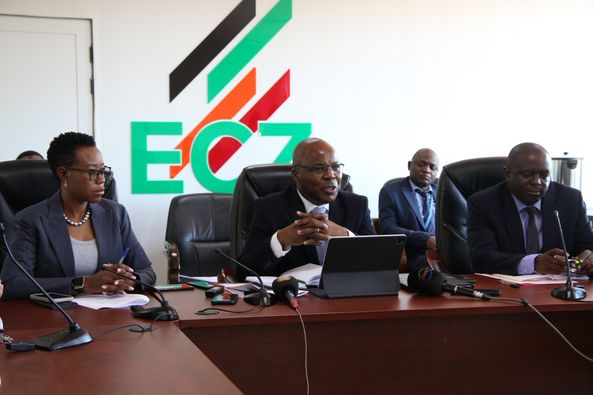
A field of 25 aspiring presidential candidates has paid nomination fees for Zambia’s 2026 general elections, a development that underscores both the heightened political interest ahead of August 13 vote and the increasingly fragmented opposition landscape.
The update was announced late Thursday by Electoral Commission of Zambia Chief Electoral Officer, Brown Kasaro, who said the close of business on April 29 marked the end of payments and the start of a more technical phase in the nomination process.
Kasaro said the Commission would now move to pre-processing of supporters, a step intended to verify that each aspirant has the minimum required backing across provinces.
Read more: Bishops’ council urges peace, unity ahead of 2026 elections
He said the ECZ would “soon publish and share the schedule for pre-processing at respective provincial centers.”
Analysts say the unusually high number of presidential hopefuls reflects both the openness of Zambia’s political environment and persistent voter dissatisfaction, but may also dilute the opposition vote in a contest where the ruling UPND will seek to retain power.
The ECZ, which has faced pressure from parties demanding clarity on rules and timelines, is trying to signal preparedness as it approaches key milestones.
“This is to inform all stakeholders that the Electoral Commission of Zambia (ECZ) will officially certify the Register of Voters for the 2026 General Election on Monday, 4th May 2026 at 11:30 hours,” Kasaro said.
The Commission’s recent consultative meeting with political parties on April 17 highlighted lingering uncertainties, including constitutional eligibility.
Kasaro said the ECZ would engage the Attorney General “on the requirement that a person contesting for presidential election must have been ordinarily resident in Zambia, including clarification on the period of residency required.”
Candidate qualification issues have become increasingly contentious, particularly with the rise of diaspora-based politicians and disputes over academic credentials.
Kasaro noted that verification of Grade 12 certificates will continue to be handled by the Examinations Council of Zambia through online or physical processes.
Political parties and independent candidates seeking early supporter validation were reminded to notify the Commission and pay nomination fees by April 29—deadlines that many smaller parties have described as financially burdensome.
Kasaro also said the ECZ was reviewing nomination fees for MPs, mayors, council chairpersons and councillors, with a decision expected by April 30. That review comes amid calls to reduce costs that critics argue disadvantage young leaders and smaller political movements.
In a sign of tightening electoral management, Kasaro said parties agreed that future consultations should be “by invitation only and restricted to credible political parties to prevent disruptions,” an implicit reference to recent contentious meetings.
With the ECZ now entering the technical verification phase and the political field widening, Zambia’s 2026 electoral cycle is shaping into one of the most competitive—and crowded—contests in recent history.
WARNING! All rights reserved. This material, and other digital content on this website, may not be reproduced, published, broadcast, rewritten or redistributed in whole or in part without prior express permission from ZAMBIA MONITOR.







Comments