
 By
By 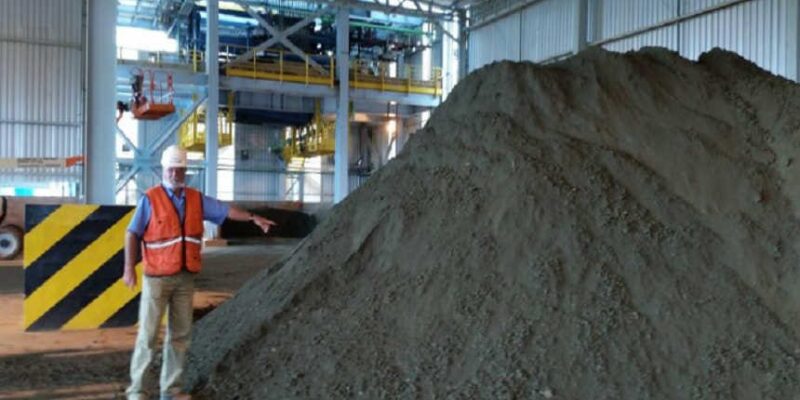
The Democratic Republic of Congo (DRC) has reportedly banned the export of copper and cobalt concentrates in a move aimed at accelerating domestic mineral processing and increasing the value the country derives from its vast mining sector.
According to a report by Africanews, the ban forms part of the DRC’s strategy to retain more revenue from its mineral resources by encouraging processing within the country rather than exporting raw concentrates.
The directive took effect immediately.
The government has also announced a new tax regime targeting economically significant mining by-products, although implementation of the taxes will be subject to a three-month transition period.
Read more: Govt suspends export duty on copper concentrates
The DRC is the world’s largest producer of cobalt and the second-largest producer of copper, making the policy significant for global supply chains.
Copper and cobalt are critical minerals used in the manufacture of electric vehicle batteries, consumer electronics, motors, generators and other technologies linked to the global energy transition.
Mining remains the backbone of the Congolese economy, contributing about half of the country’s gross domestic product (GDP), estimated at approximately US$10.9 billion.
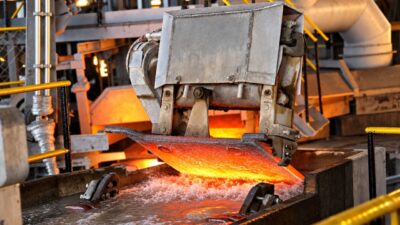
The export ban is expected to encourage greater investment in domestic smelting and refining capacity as the government seeks to increase value addition, create jobs and boost revenues from the mining industry.
The move also reflects a growing trend among resource-rich African countries to promote local beneficiation and reduce exports of unprocessed minerals as part of broader industrialisation strategies.
WARNING! All rights reserved. This material, and other digital content on this website, may not be reproduced, published, broadcast, rewritten or redistributed in whole or in part without prior express permission from ZAMBIA MONITOR.









Comments