
 By
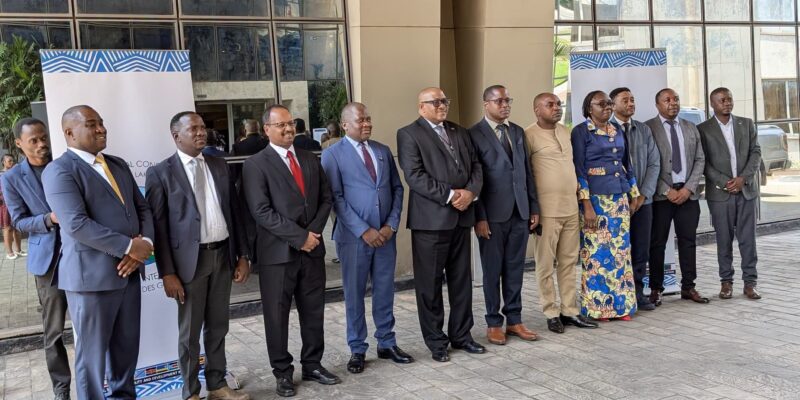
The growing interest by central banks in purchasing domestically produced gold, including from artisanal and small-scale miners, presents an opportunity to formalise the sector and strengthen mineral value chains, the International Conference on the Great Lakes Region (ICGLR) has said.
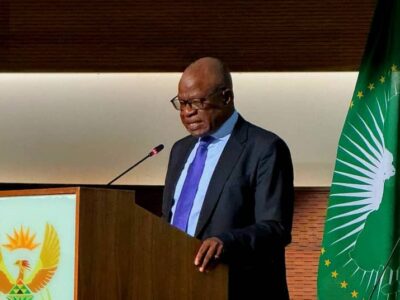
ICGLR Deputy Executive Secretary, Yasir Mohammed, said purchases of locally produced gold by central banks could help diversify national reserves and ensure mineral wealth generated greater benefits for local economies, provided the gold was sourced through transparent and traceable supply chains.
Speaking during the ICGLR Audit Committee meeting on Wednesday, where delegates are reviewing progress in implementing the Regional Certification Mechanism (RCM), Mohammed said responsible sourcing was essential to ensuring gold qualified as a credible reserve asset.
“Gold cannot become a critical national reserve asset merely because it has been purchased by central banks. The origin and integrity of the supply chain through which it is acquired must be marked by responsible sourcing,” he said.
Read more: Zambian govt to tighten gold regulation with single buyer model, new licensing regime
Mohammed said the region needed to strengthen responsible sourcing systems to accommodate legitimate artisanal and small-scale miners while addressing traceability challenges associated with gold production.
He said responsible sourcing should be viewed as an enabler of formal mineral trade, opening access to international markets, boosting investor confidence and creating wider economic opportunities.
Mohammed noted that while the ICGLR had made progress in developing responsible sourcing frameworks for tin, tungsten, tantalum and gold, more work was needed to ensure that gold produced by artisanal and small-scale miners complied with recognised standards.
He said the Regional Certification Mechanism relied on independent third-party audits to verify whether mineral exporters and other actors complied with regional certification requirements and international due diligence standards.
Mohammed said the Audit Committee played a key role in safeguarding the credibility of the certification system through independent oversight, accountability and follow-up on identified gaps.
Meanwhile, Ministry of Mines and Minerals Development Permanent Secretary Hapenga Kabeta said the region’s mineral wealth should be managed with integrity, transparency and accountability to ensure it contributed to peace, stability and sustainable development.
“Rising global demand for critical minerals offered significant opportunities for countries in the Great Lakes Region, but the long-term benefits would depend on sound governance and responsible resource management,” he said.
Kabeta urged member states to strengthen cooperation and uphold accountability, saying decisions made today would shape the legacy of the region’s mineral resources for future generations.
ICGLR National Coordinator Christopher Sitwala said effective oversight remained critical to combating the illegal exploitation of natural resources, which continued to fuel conflict and instability across the region.
He said he hoped the meeting would strengthen accountability and enhance efforts to ensure mineral resources supported peace, security and economic development.
Delegates are expected to review previous recommendations, assess independent audit programmes, consider revisions to audit evaluation procedures and examine progress in developing national and regional mineral-flow databases.
The Regional Certification Mechanism forms part of the regional initiative against the illegal exploitation of natural resources, adopted by ICGLR Heads of State and Government on December 15, 2010.
The initiative established six tools intended to ensure mineral extraction and trade contribute to sustainable development, improved livelihoods and regional stability rather than conflict and illicit exploitation.
WARNING! All rights reserved. This material, and other digital content on this website, may not be reproduced, published, broadcast, rewritten or redistributed in whole or in part without prior express permission from ZAMBIA MONITOR.





Comments