
 By
By 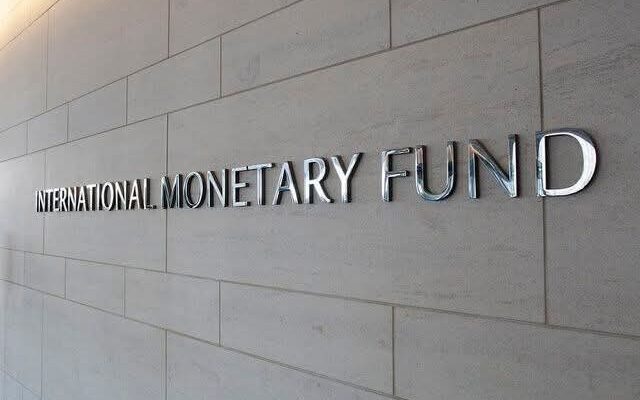
7SDR 138.9 million (about US$190 million) will be disbursed to Zambia subject to approval by the International Monetary Fund (IMF) Executive Board, bringing total support under the Extended Credit Facility (ECF) to SDR 1.27 billion (about US$1.7 billion) since August 2022.
This follows a staff-level agreement reached between the International Monetary Fund (IMF) and the Zambian authorities to complete the sixth and final review of Zambia’s 38-month ECF arrangement.
An IMF mission led by Mercedes Vera Martin, Mission Chief for Zambia, visited Lusaka from October 22 to November 4, 2025, with follow-up discussions held virtually from Washington D.C.
In a statement issued after the talks, Vera Martin said Zambia had made “significant progress” despite external and domestic shocks during the programme period, citing reduced macroeconomic imbalances, sustained fiscal consolidation, and progress on external debt restructuring.
“We are pleased to announce that IMF staff and Zambian authorities have reached a staff-level agreement on policies to complete the Sixth and final Review of Zambia’s 38-month ECF arrangement. Subject to approval by the IMF Executive Board, Zambia will receive a disbursement of SDR 138.9 million (about $190 million), bringing total disbursement to SDR 1,271.66 million (about $1.7 billion) since August 2022,” Vera Martin said.
She said Zambia’s economy continued to expand in the first half of 2025, with real GDP growth projected at 5.2 percent this year, though weighed down by lower-than-expected performance in mining and wholesale and retail trade.
Inflationary pressures are easing gradually, supported by a stronger Kwacha, lower fuel prices, and improved food supply.
However, the current account deficit is projected to widen to about 2.1 percent of GDP in 2025, driven by import growth and lower official grants, despite favourable copper prices.
Vera Martin said gross international reserves continued to rise and are expected to cover four months of prospective imports by end-2025.
Looking ahead, the IMF projects medium-term growth to average 5.6 percent between 2026 and 2031, supported by investment, agriculture, and improved electricity generation. Inflation is expected to converge to the 6–8 percent target band by 2027, while the current account is projected to return to surplus in 2026.
Read More: Malawi, Zambia reaffirm commitment to regional peace, security
On public finances, the IMF said Zambia’s 2025 primary surplus was projected at 2.2 percent of GDP, supported by strong non-mining revenues and lower spending, while social spending has increased in line with government priorities.
The Fund emphasised the need to maintain fiscal discipline, contain new borrowing due to Zambia’s high risk of debt distress, and continue reforms in public financial management, revenue mobilisation, and state-owned enterprise governance.
On monetary policy, the IMF said a carefully calibrated stance was needed to anchor inflation expectations, while encouraging the Bank of Zambia to build international reserves and strengthen monetary policy transmission.
The IMF also called for faster structural reforms to support inclusive, private sector-led growth, including improved governance, energy sector reforms, and transparent implementation of open access to the TAZAMA pipeline.
During the mission, the IMF team met Finance and National Planning Minister Dr. Situmbeko Musokotwane, Bank of Zambia Governor Dr. Denny Kalyalya, Secretary to the Treasury Mr. Felix Nkulukusa, Deputy Governor Dr. Francis Chipimo, and other senior officials, alongside representatives of the private sector, civil society, and cooperating partners.
WARNING! All rights reserved. This material, and other digital content on this website, may not be reproduced, published, broadcast, rewritten or redistributed in whole or in part without prior express permission from ZAMBIA MONITOR.





Comments