
 By
By 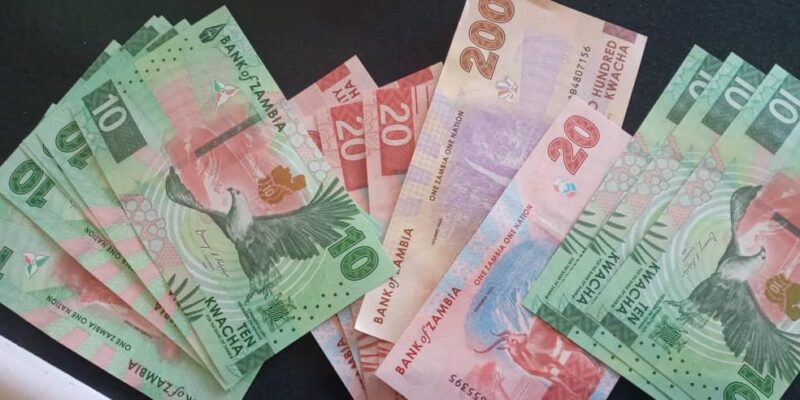
The Zambian Kwacha weakened marginally against the US dollar at the start of the week, although month-end demand for the local currency is expected to provide support in the coming days.
According to Access Bank Group’s latest market commentary, the Kwacha slipped by 0.08 percent on Monday to close just below K18.30 to the US dollar after failing to maintain gains recorded during intraday trading.
“The local currency is likely to find support from month-end local currency obligations, which typically increase demand for the kwacha as businesses settle tax payments, salaries and other domestic obligations,” the bank said.
Read more: Kwacha weakens as dollar demand rises, copper prices strengthen
The modest decline comes amid relatively subdued activity in global foreign exchange markets, where the US dollar traded within a narrow range following recent gains.
Access Bank Group said the Bloomberg Dollar Spot Index was little changed as investors weighed escalating geopolitical tensions in the Middle East against mounting fiscal concerns in the United Kingdom.
The bank noted that demand for safe-haven assets continued to support the US dollar following the conflict between the United States and Iran, with investors seeking the relative safety of the greenback during periods of heightened global uncertainty.
Higher US Treasury yields and expectations that the US Federal Reserve will maintain a relatively hawkish monetary policy stance have also continued to underpin the dollar.
However, the commentary said the absence of major economic data releases and subdued market volatility have limited further gains in the US currency for now.
Analysts say the direction of the Kwacha this week will largely depend on the balance between domestic foreign exchange inflows and global market developments, particularly movements in the US dollar and investor sentiment towards emerging markets.
The local currency has recently been supported by periodic increases in foreign exchange inflows linked to tax payments and export proceeds, although it remains vulnerable to shifts in global financial conditions.
Market participants will continue to monitor international geopolitical developments, US monetary policy expectations and domestic liquidity conditions, all of which are expected to influence the performance of the Kwacha in the short term.
WARNING! All rights reserved. This material, and other digital content on this website, may not be reproduced, published, broadcast, rewritten or redistributed in whole or in part without prior express permission from ZAMBIA MONITOR.










Comments