
 By
By 
The Food and Agriculture Organization (FAO) has emphasized the importance of evidence-based policies and data-driven innovation as the foundation of sustainable food safety systems that promote better health and nutrition.
FAO National Coordinator, Dr. Rhoda Mofya, called on the Zambian government to support science-based food policies, transparent food systems, and strong regulatory frameworks.
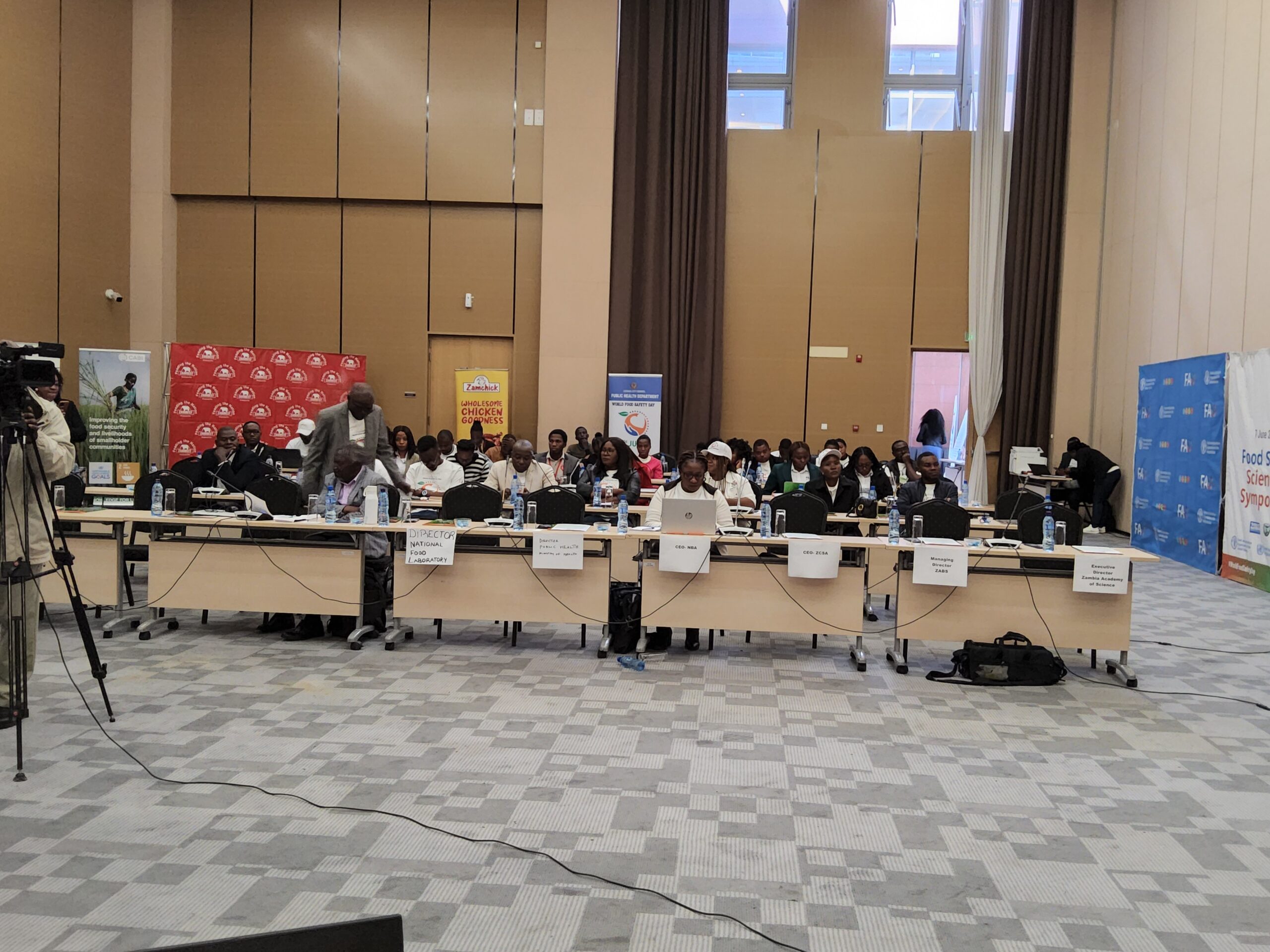
She made the remarks during the commemoration of World Food Safety Day in Lusaka on Friday, held under the theme “Food Safety: Science in Action.”
Mofya stressed the need for investment in food safety research, infrastructure, data collection, surveillance systems, and laboratory networks. She also urged greater public education and engagement on food safety matters.
She called for increased collaboration and knowledge-sharing across borders, sectors, and disciplines to combat diseases caused by unsafe food, which currently affect more than 600 million people globally.
“That is not just a statistic, but someone’s child, parent, neighbour, or friend. This year’s theme underscores the critical role science plays in making informed decisions about our food,” she said.
Mofya highlighted that food safety was not a privilege but a right, and was fundamental to food security, health, trade, and national development.
Read More: Trade project warns unsafe food threatens Zambia’s health, economy
“Without science, African countries cannot detect hazards, analyse risks, or respond effectively to contamination,” she said, adding, “And in today’s complex global food chains—where products often cross multiple borders before reaching our plates—science is more essential than ever.”
She noted that every stage of the food system, from farm to fork, must be protected, and that science was the most powerful tool in achieving that.
Mofya explained that science drove both global and local food safety standards and policies, saying through the Joint Scientific Advice Programme, FAO and WHO convene the world’s top scientists to provide independent, evidence-based recommendations that inform international food safety standards.
“Just last year, Zambia experienced widespread public concern over aflatoxin contamination—a naturally occurring toxin that develops in crops like maize and groundnuts under specific environmental conditions,” she said.
She commended Zambian research institutions and their international partners for introducing Aflasafe, a science-based biological control product that reduces aflatoxin levels in crops by suppressing the fungi responsible.
“This is a clear example of how scientific research, local innovation, and practical application can come together to protect both public health and agricultural livelihoods,” Mofya said.
WARNING! All rights reserved. This material, and other digital content on this website, may not be reproduced, published, broadcast, rewritten or redistributed in whole or in part without prior express permission from ZAMBIA MONITOR.












Comments