
 By
By 
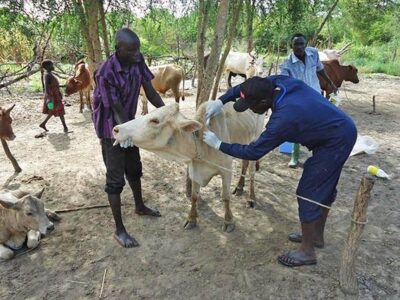
As Zambia marked Farmers’ Day on 3 August, much of the conversation rightly focused on the men and women who work tirelessly to feed the nation.
Their contribution to the country’s economy, food security and livelihoods deserves recognition.
But Farmers’ Day is also an opportunity to reflect on something equally important: farmers cannot build a strong food system on their own.
A stronger food system is built by everyone who helps move food from farm to table, from producers and processors to restaurants, retailers, transporters and the businesses that connect them with consumers.
When these links work together, local agriculture becomes more resilient, local businesses grow and communities benefit. It is this understanding that is increasingly shaping conversations around the future of Zambia’s food economy.
As Zambia continues to prioritise agricultural growth and economic diversification, greater attention is being given not only to increasing production but also to strengthening the value chains that ensure locally produced food reaches consumers.
Farmers need reliable markets, food producers require opportunities to scale, restaurants depend on quality local ingredients, and consumers increasingly value access to fresh, locally sourced meals. The success of one depends on the success of all.
This is why partnerships across the food ecosystem matter. They help connect the different players whose collective efforts determine whether locally produced food reaches more tables, creates more jobs and generates greater economic value.
They also recognise that supporting agriculture is not only about what happens on the farm, but about strengthening every stage of the journey that follows.
It is encouraging to see more businesses embracing this broader responsibility. One example is Yango Food’s partnership with the Women’s Entrepreneurship Access Center (WEAC) through its Africa Food360 Accelerator.
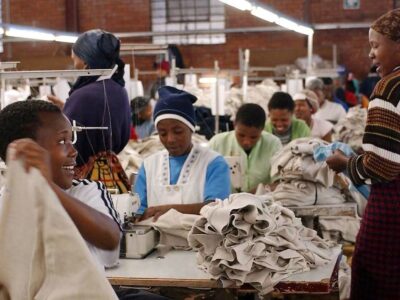
The initiative is dedicated to strengthening food systems by supporting smallholder farmers, women and youth-led agribusinesses, food producers, processors and other actors across agricultural value chains.
By improving productivity, expanding market access, strengthening businesses and building more resilient local food systems, the programme is helping create opportunities that extend well beyond the farm.
The partnership reflects an important principle: every meal depends on far more people than those who harvest the crops.
Read More: Yango named Southern Africa’s most reliable ride-hailing service provider
While customers experience the convenience of ordering from their favourite restaurants, every order is made possible by farmers producing fresh ingredients, processors adding value to agricultural products, suppliers keeping restaurant kitchens stocked, chefs preparing meals and couriers completing the final journey.
Each plays a role in ensuring locally produced food reaches consumers efficiently.
Throughout August, Yango Food is supporting this vision through a campaign with selected restaurant partners.
For every eligible order placed through participating restaurants during the campaign period, a portion will be donated to WEAC in support of the Africa Food360 Accelerator and its work with local food businesses and farming communities.
It is a simple initiative, but one that demonstrates how businesses operating across the food value chain can contribute to strengthening the wider ecosystem.
Equally important is giving greater visibility to the people behind Zambia’s food economy.
Farmers, food producers and agribusiness entrepreneurs often remain behind the scenes despite being fundamental to the country’s food security and economic development.
Celebrating their stories helps consumers better appreciate the journey every meal takes before it reaches the table.
As the country reflects on this year’s Farmers’ Day, perhaps the greatest tribute we can pay our farmers is not only thanking them for what they produce, but continuing to build a food system that gives them stronger markets, stronger partners and greater opportunities to grow.
Because when every link in the chain succeeds, Zambia’s farmers, businesses and consumers all benefit.
WARNING! All rights reserved. This material, and other digital content on this website, may not be reproduced, published, broadcast, rewritten or redistributed in whole or in part without prior express permission from ZAMBIA MONITOR.









Comments