
 By
By 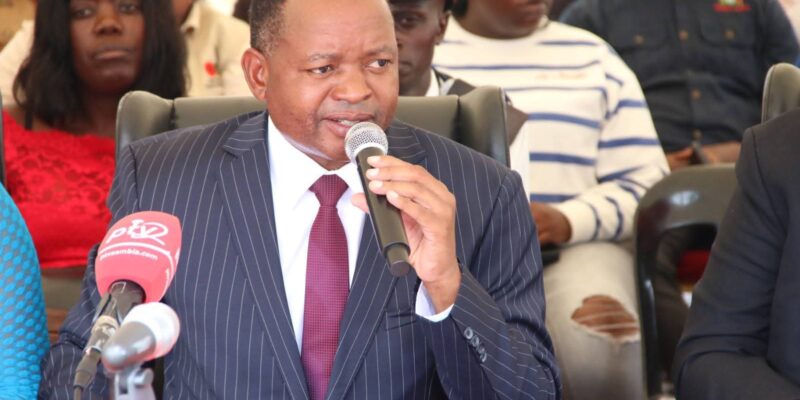
Zambia’s Ministry of Health has confirmed the detection of polio virus type 2 in environmental samples in Lusaka, prompting emergency measures amid rising transmission concerns in the region.
Acting Minister of Health, Cornelius Mweetwa, said the virus was identified through routine surveillance systems conducted in partnership with local and international health organisations.
Speaking at a media briefing in Lusaka on Saturday, Mweetwa said the detection was confirmed through laboratory analysis following ongoing environmental and clinical monitoring.
“In addition, I wish to indicate that the Southern Africa sub-region is on high alert following two recent isolation polioviruses in Malawi linked with the previous transmission in Zimbabwe,” he said.
The Chief Government Spokesperson explained that polio, or poliomyelitis, was a highly infectious viral disease that primarily affects young children and can cause permanent paralysis.
Mweetwa said the isolate identified in Lusaka closely matched one previously detected in Namibia, which in turn was linked to Angola, indicating active transmission within the sub-region.
“This situation constitutes a public health emergency of international concern as it carries a high potential risk of spread, jeopardizing the health of many children and reversing the gains that the country and African continent as a whole has been making in eliminating polio,” he said.
He assured the public that no cases of paralysis had been recorded so far, but warned that the presence of the virus in the environment showed that it was circulating within the community.
Mweetwa said immediate action was required to prevent infections and protect public health.
“To this end, the Government, through the Ministry of Health, in collaboration with the Global Polio Eradication Initiative partners, has activated its emergency response mechanisms,” he said.
Read More: Cholera outbreak reported in Chilanga, Council begins sensitization of populace
He added that the government had intensified surveillance and investigations to detect any cases of acute flaccid paralysis (AFP), alongside expanded environmental sampling.
The Ministry, he said, has also strengthened risk communication and community engagement to raise awareness about the importance of vaccination.
Additionally, authorities are planning vaccination campaigns targeting children deemed at high risk, regardless of their immunisation history, while also reinforcing routine immunisation services nationwide.
“The virus thrives in areas with poor sanitation, open defecation, and inadequate access to clean drinking water. These allow for ease in transmission from one person to another through contaminated water and poor sewage disposal,” Mweetwa said.
He urged the public to support government and partner efforts to protect children from all forms of polio, and reminded communities to observe strict hygiene practices, including regular handwashing with soap and water, particularly before eating and after using latrines.
WARNING! All rights reserved. This material, and other digital content on this website, may not be reproduced, published, broadcast, rewritten or redistributed in whole or in part without prior express permission from ZAMBIA MONITOR.











Comments