
 By
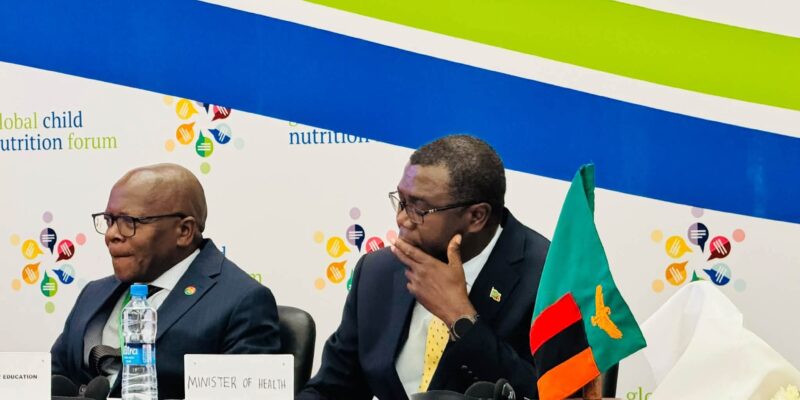
Zambia is finalising a new National One Health Strategic Plan for 2027 to 2031, focusing on tackling zoonotic diseases, antimicrobial resistance (AMR), food safety, chemical hazards and climate-related risks, Health Minister Roma Chilengi has said.
Chilengi said the plan would also address challenges relating to the health workforce, laboratory access, information sharing and financing.
He was speaking at the official opening of the One Health Day 2026 National Symposium at the Mulungushi International Conference Centre in Lusaka on Tuesday.
The symposium, held under the theme “Act Together for One Health”, brought together stakeholders from the human, animal, plant and environmental health sectors.
Chilengi said multisectoral teams were finalising the new plan, which would succeed the 2022-2026 National One Health Strategic Plan.
He, however, cautioned that establishing coordination structures did not necessarily translate into effective implementation.
“While Zambia has established coordination structures across all ten provinces and 116 districts and launched the Policy Framework for One Health Coordination and Advocacy on 5th August this year, progress must be measured by response on the ground,” he said.
Chilengi said the symposium’s theme should go beyond a slogan and be reflected in decisions, investments and services delivered to Zambians.
He cited the 2023 anthrax outbreak in Sinazongwe, which required joint investigations by health, veterinary and wildlife services, as an example of the importance of the One Health approach.
“Environmental contamination, including the longstanding challenge of lead exposure in Kabwe, has also shown us that medical interventions alone cannot adequately protect communities unless environmental risks are addressed,” he said.
He also cited the El Niño-induced drought in 2024, which affected food production, water availability and electricity generation, with consequences for nutrition, animal health and the continuity of essential services.
Read More: 30 people have died in Zambia’s cholera outbreak —Health minister
“One Health is therefore not an additional burden on development. It is an investment in sustainable development,” Chilengi said.
He said the new plan was aligned with President Hakainde Hichilema’s Grow Zambia Agenda, the Eighth National Development Plan, Vision 2030, the National Health Strategic Plan and the National Green Growth Strategy.
Chilengi said food safety measures needed to keep pace with expanding agricultural production, while animal disease surveillance should be strengthened as the livestock sector developed and pursued new markets.
“Zambia had already prioritised ten priority zoonotic diseases and fifteen chemicals or chemical groups requiring coordinated attention, a process that contributed to securing a US$18.9 million Pandemic Fund grant in 2023,” he said.
He urged participating ministries to incorporate One Health responsibilities into their sector plans, budgets and routine operations.
He also called on researchers, universities and young professionals taking part in the One Health Solutions Challenge to strengthen collaboration across disciplines.
The symposium was supported by the Zambia National Public Health Institute, Africa Centres for Disease Control and Prevention, the Food and Agriculture Organization, the World Health Organization and the UK Health Security Agency, among other cooperating partners.
WARNING! All rights reserved. This material, and other digital content on this website, may not be reproduced, published, broadcast, rewritten or redistributed in whole or in part without prior express permission from ZAMBIA MONITOR.







Comments