
 By
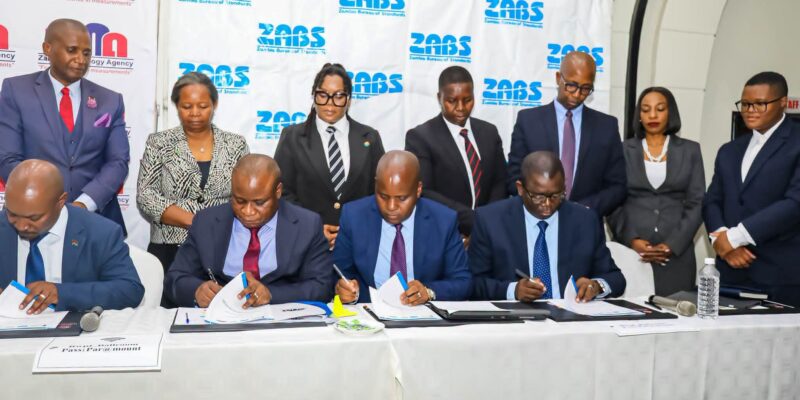
Zambia and Malawi have signed a cooperation agreement aimed at reducing technical barriers to trade and improving market access for businesses in the two countries.
The agreement, involving the Malawi Bureau of Standards (MBS) and Zambia’s National Quality Infrastructure institutions, seeks to address trade obstacles arising from differences in standards, testing, certification and measurement requirements.
It is expected to enable products from both countries to access each other’s markets with fewer unnecessary restrictions while maintaining quality, safety and consumer protection standards.
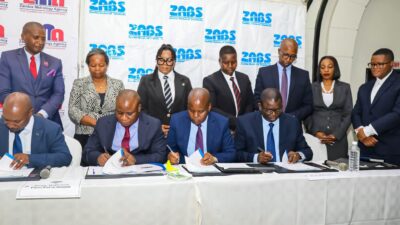
Speaking during the signing ceremony in Lusaka on Tuesday, Minister of Trade and Exports Dr Caroline Katotobwe said the agreement marked an important milestone in strengthening trade relations between the two countries.
“The agreement marks an important milestone in strengthening trade relations between Zambia and Malawi,” Katotobwe said.
She said the partnership demonstrated the two countries’ shared commitment to facilitating cross-border trade by addressing technical barriers arising from differences in standards, testing, certification and measurement requirements.
“Our objective is to ensure that products from both countries access each other’s markets with fewer unnecessary obstacles, while maintaining the required standards of quality, safety and consumer protection,” Katotobwe said.
She said farmers, manufacturers, exporters and small businesses stood to benefit from reduced compliance costs, improved market access and expanded trade opportunities.
“This cooperation also advances our regional and continental integration agenda under the African Continental Free Trade Area, SADC and COMESA,” she said.
Katotobwe said while reducing tariffs was important, non-tariff barriers, including duplicated testing and certification procedures, also needed to be addressed.
She said harmonised standards and mutual recognition of conformity assessment results were essential to ensuring that regional integration translated into tangible economic benefits.
Read More: ZCSA, ZARI partner to shield farmers from substandard fertilizers
Katotobwe urged the participating institutions to develop a clear, results-oriented action plan prioritising the harmonisation of standards and elimination of unnecessary technical barriers to trade.
“The shared ambition must be an Africa where goods move efficiently across borders, businesses compete effectively, and trade generates investment, industrialisation and employment,” she said.
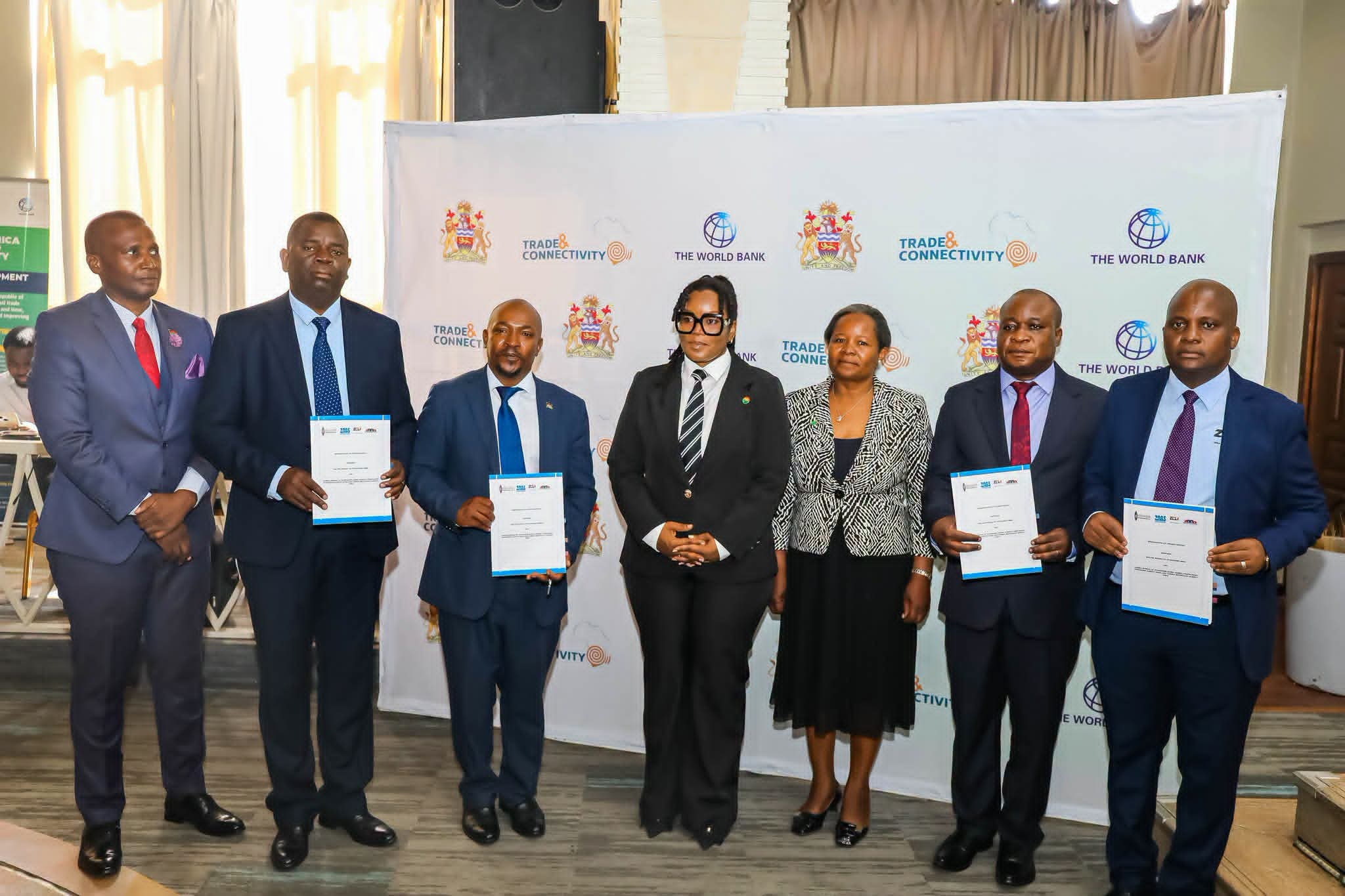
Earlier, Zambia Compulsory Standards Agency Executive Director, Gerald Chizinga, said the action plan would translate the agreement into specific activities, clear responsibilities and achievable targets, supported by regular technical dialogue and progress reviews.
“Together these commitments can help our producers to compete, our regulators make sound decisions and our consumers buy with confidence,” Chizinga said.
Zambia Metrology Agency Executive Director, Humphrey Nkobeni, said the success of the agreement would depend on effective implementation, with its provisions translated into agreed activities, clear responsibilities and achievable timelines.
He said progress should be reflected in improved services, clearer compliance guidance, stronger technical capabilities and better opportunities for businesses trading between the two countries.
“Zambia’s three institutions are committed to contributing their complementary mandates and expertise to this work. The signature begins the partnership, the results will give it meaning,” he said.
Meanwhile, Malawi Bureau of Standards Director, General Symon Mandala, said the cooperation was also expected to strengthen consumer protection and support regional economic integration under the African Continental Free Trade Area, SADC and COMESA.
He urged the institutions to build on the agreement by sharing experiences, strengthening technical capabilities and accelerating the finalisation and implementation of the Mutual Recognition Implementation Arrangements (MRIAs).
“As we move forward, I encourage our institutions to take full advantage of this partnership by sharing experiences, strengthening technical capabilities and accelerating the finalisation and implementation of the MRIAs,” he said.
Mandala said the arrangements were expected to allow conformity assessment results from one country to be recognised in the other, reducing duplication in testing and certification.
WARNING! All rights reserved. This material, and other digital content on this website, may not be reproduced, published, broadcast, rewritten or redistributed in whole or in part without prior express permission from ZAMBIA MONITOR.








Comments