
 By
By 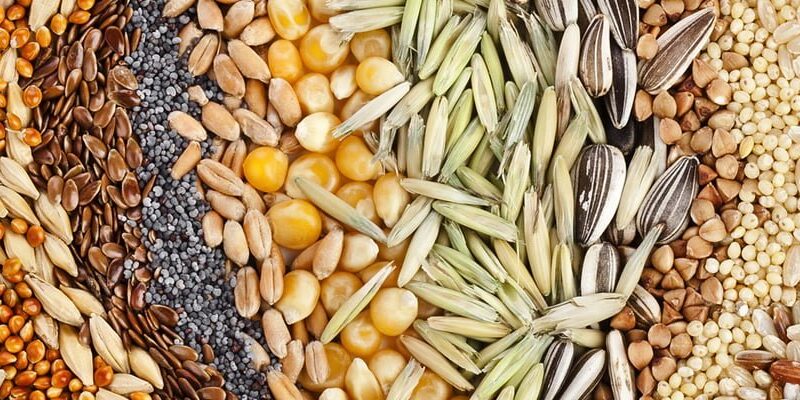
Zambia’s seed industry recorded strong growth in 2025, reinforcing the country’s food security and contributing to economic expansion, the Ministry of Agriculture has said.
According to the Ministry in a statement issued on Monday, maize seed production reached 178,000 metric tonnes in 2025, reflecting a robust performance for the sector.
Of this total, 88,380 metric tonnes were exported, a significant increase from 52,000 metric tonnes exported in 2024, indicating rising demand for Zambian seed on regional and international markets.
Balewa Zyuulu, Principal Public Relations Officer at the Ministry of Agriculture, said the growth in exports highlighted Zambia’s expanding role as a supplier of high-quality agricultural inputs.
“The increase in seed exports demonstrates Zambia’s growing reputation and the confidence that regional and international markets have in our seed industry,” Zyuulu said.
Zambian seed was exported to several African countries, including Kenya, Tanzania, Uganda, Rwanda, Burundi, the Democratic Republic of Congo, South Africa, Mozambique, Zimbabwe, Malawi, Angola, Nigeria and Senegal, as well as European markets such as Italy and France.
On the domestic front, local farmers consumed approximately 55,000 metric tonnes of seed, ensuring sufficient supply for planting and replanting nationwide.
“This level of local seed consumption guarantees national seed security, promotes higher agricultural productivity, and supports farmers’ livelihoods through reliable access to certified seed,” Zyuulu said.
The Ministry attributed the sector’s growth to supportive government policies and sustained investment in modern seed production infrastructure, which have improved efficiency and quality throughout the value chain.
It also hailed the Seed Control and Certification Institute (SCCI) for upholding quality standards and enhancing Zambia’s competitiveness on the global market.
“SCCI plays a critical role in ensuring that Zambian seed meets international standards,” Zyuulu said, noting that the institute’s accreditation by the International Seed Testing Association, as well as its compliance with UPOV and OECD certification guidelines, has enabled Zambia to access regulated international markets.
“With more land registered for seed production, Zambia is well positioned to strengthen its status as a regional seed production hub, create employment and enhance food security,” Zyuulu said.
WARNING! All rights reserved. This material, and other digital content on this website, may not be reproduced, published, broadcast, rewritten or redistributed in whole or in part without prior express permission from ZAMBIA MONITOR.







Comments