
 By
By 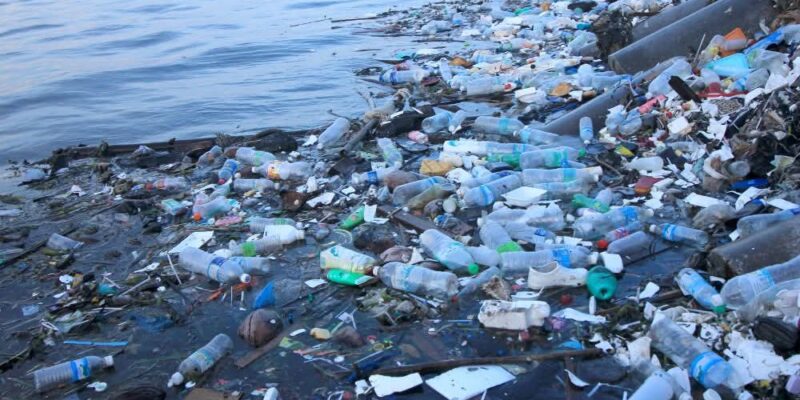
Environmental health advocate, Christopher Mtonga, has warned that microplastic pollution poses a threat to Zambia’s aquatic ecosystems and public health, calling for stronger waste management and pollution control measures.
In a statement issued in Lusaka on Sunday, Mtonga said public discussions had largely focused on visible plastic waste, such as litter and plastic bags in rivers, while the dangers posed by microscopic plastic particles remained overlooked.
He said microplastics, defined as plastic particles measuring less than five millimetres, could enter natural and municipal water systems through poor waste management, the release of synthetic textile fibres during laundry and the breakdown of single-use plastics.
“While our national conversation frequently centers on visible plastic waste; such as floating bags in our rivers or litter across the country, a far more insidious danger demands our urgent attention: microplastics,” Mtonga said.
He warned that microplastic pollution could affect aquatic organisms, which may ingest the particles, potentially allowing associated chemicals to enter the human food chain through contaminated fish and water.
Mtonga also raised concerns about Zambia’s waste management challenges, saying only about 18% of generated waste was properly processed and disposed of, while plastics accounted for approximately 14% of municipal solid waste.
He did not provide supporting data for the figures in the statement.
Read More: Policy centre calls for environmental safeguards in Grow Zambia plan
Mtonga said plastic pollution could put additional pressure on urban drainage systems and contribute to flooding, calling for measures to protect waterways and drainage infrastructure from waste.
“Microplastic contamination is no longer solely an environmental preservation concern; it is a critical public health priority,” he said.
He called for coordinated action by households, communities and regulatory authorities to address plastic pollution.
At household level, Mtonga urged people to reduce their use of single-use plastics, while communities should support waste collection and recycling initiatives.
He also called for stronger enforcement of Extended Producer Responsibility frameworks to ensure manufacturers take greater responsibility for waste generated by their products.
Mtonga further urged authorities to strengthen pollution control measures and protect drainage systems and waterways from plastic waste.
WARNING! All rights reserved. This material, and other digital content on this website, may not be reproduced, published, broadcast, rewritten or redistributed in whole or in part without prior express permission from ZAMBIA MONITOR.








Comments