
 By
By 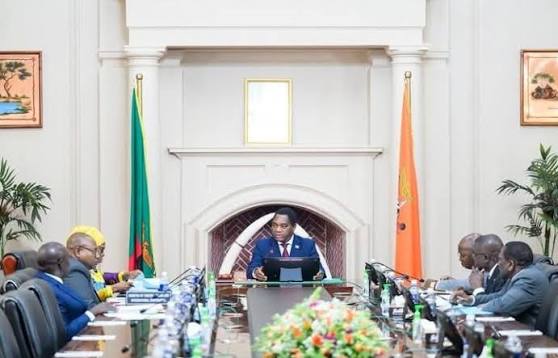
Zambia’s Cabinet has approved the Green Paper on the 2027-2029 Medium-Term Budget Plan, which sets out the macroeconomic objectives, fiscal policies, strategies and targets for the 2027 budget.
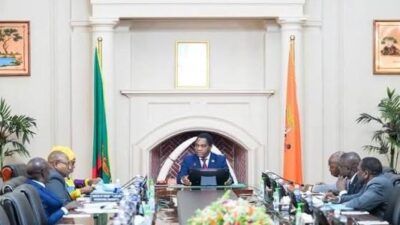
The approval was made at the second Cabinet meeting of the second term of President Hakainde Hichilema’s administration, held at State House on Tuesday, Sept. 22, 2026.
The meeting deliberated on policy matters relating to national economic development anchored on the Grow Zambia Agenda, the statement reads.
Cabinet noted that the economic outlook for 2027 and the medium term remained positive, supported by a macroeconomic and fiscal policy framework expected to strengthen investor confidence, private sector participation and economic transformation.
“Economic growth projected to average six percent. Growth is expected to be driven mainly by agriculture, mining, construction, wholesale and retail trade, Information Communication Technology, and financial and insurance services,” the statement said.
Cabinet, however, raised concerns over risks to the outlook, including the El Niño-induced drought during the 2026/2027 agricultural season, which could constrain fiscal space and the implementation of government programmes and projects.
In response, Cabinet agreed to strengthen fiscal buffers and proactively implement measures to mitigate any eventualities that could affect implementation of the Growth Agenda.
On revenue, Cabinet resolved to commence implementation of the 2027-2031 Medium-Term Revenue Strategy, which is anchored on increased and sustainable domestic revenue mobilisation.
“Key measures will include strengthening tax administration, broadening the tax base, rationalising tax incentives and exemptions, rolling out the digital NRC system, and integrating Government systems and public service payments through the Government Service Bus,” it said.
On financing, Cabinet said the government would continue to mobilise domestic and external resources in line with the Medium-Term Debt Strategy.
Read More: Zambia owes $15.36 billion external debt in first half of 2026, government says
This would include prioritising concessional financing and undertaking liability management operations to reduce refinancing pressures and manage debt-related risks, alongside strict implementation of Annual Borrowing Plans to enhance transparency and predictability.
On expenditure, Cabinet resolved that the government would prioritise resources towards investments and reforms that support private sector-led growth, productivity, diversification, value addition and job creation.
“The expenditure priorities are to be implemented in line with the Grow Zambia Agenda, supported by the 9th National Development Plan and Vision 2030,” it stated.
Cabinet reiterated government’s resolve to ensure the country remained food secure in view of the forecast El Niño, which was likely to affect the 2026/2027 farming season.
It urged citizens and stakeholders to submit comments on the Green Paper once it is issued by the Ministry of Finance and National Planning on Sept. 26, 2026.
WARNING! All rights reserved. This material, and other digital content on this website, may not be reproduced, published, broadcast, rewritten or redistributed in whole or in part without prior express permission from ZAMBIA MONITOR.



Comments