
 By
By 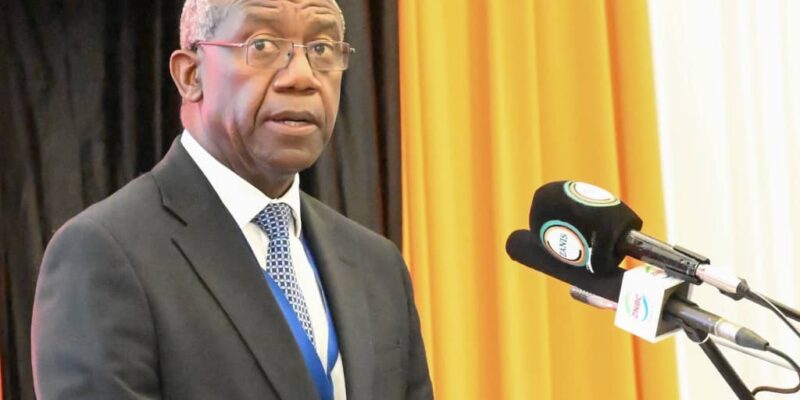
Government has expressed concern that despite progress made in strengthening anti-corruption systems, many citizens remained hesitant to report wrongdoing due to concerns about personal safety, confidentiality, and possible retaliation.
Secretary to the Cabinet, Patrick Kangwa, said the hesitation to blow the whistle continued to undermine efforts to detect and prevent corruption across public institutions.
Speaking during the commemoration of Whistleblower’s Day held at Mulungushi International Conference Centre in Lusaka on Tuesday, Kangwa said the fight against corruption should not be left only to government and law enforcement agencies.
He said citizens, public institutions, the private sector, civil society, and the media all had a responsibility to participate actively in safeguarding public resources.
Kangwa said government enacted the Public Interest Disclosure (Protection of Whistleblowers) Act No. 4 of 2010, which provided legal protection for persons who, in good faith, report wrongdoing and should be utilized.
He said the piece of legislation reflected government’s commitment to ensuring that those who come forward with information were protected and that their disclosures contributed meaningfully to the prevention and detection of corruption and other forms of misconduct.
“In recognition of the vital role whistleblowers play in promoting integrity, accountability, and transparency, the Government of the Republic of Zambia has put in place a robust legal and institutional framework to protect individuals who disclose information in the public interest,” Kangwa said.
The Secretary to the Cabinet noted that whistleblowers were often the first line of defence against corruption, fraud, abuse of office, and other forms of misconduct that would otherwise remain hidden.
“The expected outcome of this commemoration is a positive shift in public perception regarding whistleblower protection in Zambia,” he said.
Kangwa urged Zambians to embrace the spirit of this year’s theme “Whistleblowing with Peace of Mind” and report wrongdoing through appropriate channels, saying the fight against corruption begins with each individual.
United Nations Resident Coordinator Dr. James Wakiaga emphasized that effective governance depended on public trust, and that trust was strengthened when citizens were confident that concerns can be raised, heard, and addressed fairly and safely.
Read More: Anti-Corruption Commission condemns former Health Minister’s remarks on gifts
“When people are empowered to report wrongdoing without fear of retaliation, institutions are better able to identify risks, improve service delivery and protect public resources. Whistleblower mechanisms therefore serve as vital tools for accountability and institutional effectiveness,” Wakiaga said.
He stated that experience across the world had demonstrated that sustainable development could not be achieved without strong and trusted institutions.
Wakiaga said whether the objective was improving health outcomes, expanding educational opportunities, promoting economic growth, or reducing inequalities, progress depends on institutions that are responsive, accountable, and trusted by the people they serve.
“For this reason, UNDP places significant importance on supporting governance systems that strengthen accountability, citizen participation, and public confidence. This work is central to the achievement of Sustainable Development Goal 16, which calls for peaceful, just, and inclusive societies supported by effective, accountable, and transparent institutionsm,” he said.
Wakiaga stated that the conversation was particularly relevant as Zambia approached the 2026 General Elections which often placed increased demands on public institutions and heighten public scrutiny of decision-making processes and the management of public resources.
He said in such contexts, accessible and trusted reporting mechanisms provided citizens with a constructive avenue to raise concerns and help safeguard integrity in public affairs. Strong whistleblower systems therefore contribute to public confidence and support peaceful, credible, and inclusive democratic processes.
Kaumbu Mwondela, Anti-Corruption Commission (ACC) Board Vice Chairperson, stated thst the fight against corruption should not be left to law enforcement agencies alone as it requires the active participation of citizens, public institutions, the private sector, civil society organisations, and development partners.
“By reporting corruption, citizens help protect public resources, improve service delivery, promote fairness, and support national development. Every report made in good faith has the potential to prevent the misuse of public funds and strengthen public confidence in our institutions,” Mwondela said.
WARNING! All rights reserved. This material, and other digital content on this website, may not be reproduced, published, broadcast, rewritten or redistributed in whole or in part without prior express permission from ZAMBIA MONITOR.










Comments