
 By
By 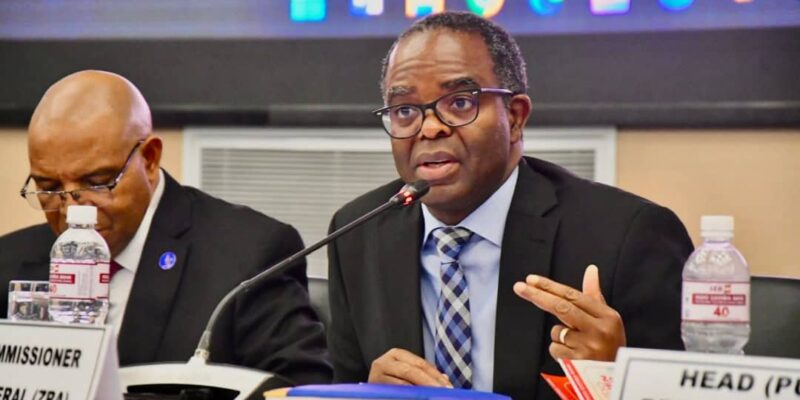
Zambia’s tax-to-GDP ratio has reportedly climbed to a record 22.1 percent, reflecting stronger domestic revenue mobilisation as government moves to reduce its dependence on external aid and increase tax financing of the national budget.
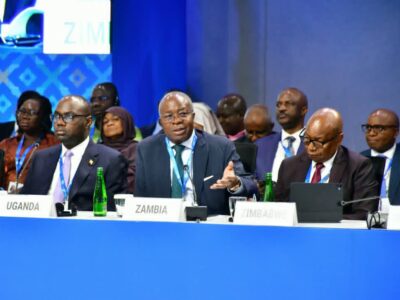
Speaking at the Forum on the Future of Tax Reform in Lusaka on Wednesday at Intercontinental hotel, Zambia Revenue Authority (ZRA) Commissioner-General, Dingani Banda, said the country’s tax-to-GDP ratio had increased from an average of 18.3 percent between 2020 and 2024 to 22.1 percent in 2025.
In a speech read on his behalf by Commissioner of Domestic Taxes, Richard Kapasa, Banda said the improvement was driven by sustained tax reforms, increased use of technology and evidence-based policymaking.
“Our tax-to-GDP ratio, across all revenue administered by ZRA, rose from an average of 18.3 percent between 2020 and 2024 to a historic 22.1 percent in 2025,” he said.
Banda also said ZRA’s contribution to financing the national budget was projected to increase from 49.6 percent in 2021 to 73.1 percent in 2026, with Government targeting 80 percent over the medium term.
He said the future of domestic revenue mobilisation would depend on broadening the tax base rather than placing additional pressure on compliant taxpayers.
“Sustainable domestic revenue mobilisation can no longer come from simply squeezing the same compliant taxpayers. The future of tax reform demands that we re-examine the structural architecture of our revenue systems,” he said.
Meanwhile, International Centre for Tax and Development (ICTD) Executive Director, Giulia Mascagni, said declining donor funding and rising debt-servicing costs had made domestic taxation increasingly important for financing development.
She said international aid had fallen significantly over the past 18 months, requiring governments to strengthen their capacity to mobilise local revenues.
“Tax is by far the largest source of financing for governments, especially when compared to aid. In this context, tax is the main hope to sustain and advance development agendas,” Mascagni said.
She also highlighted the disparity in public spending capacity between wealthy and low-income countries, noting that while high-income countries can spend about US$127 per citizen, low-income countries are able to spend only US$1 per person.
The forum brought together tax experts, policymakers and development partners to discuss reforms aimed at strengthening domestic resource mobilisation and improving the efficiency of tax systems.
WARNING! All rights reserved. This material, and other digital content on this website, may not be reproduced, published, broadcast, rewritten or redistributed in whole or in part without prior express permission from ZAMBIA MONITOR.








Comments