
 By
By 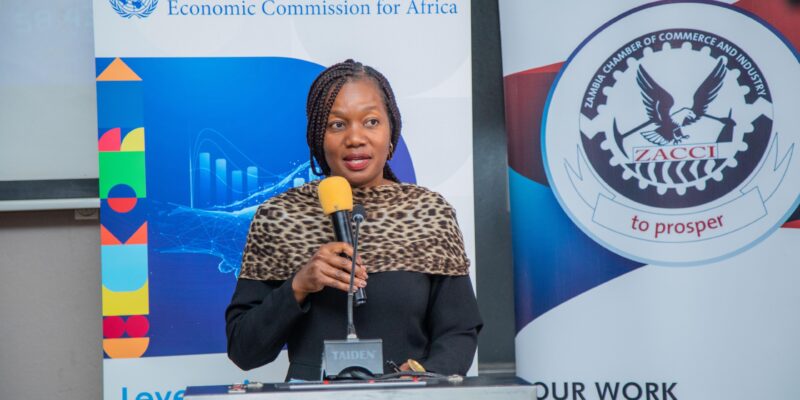
The United Nations has urged African countries to accelerate the implementation of the African Continental Free Trade Area (AfCFTA), describing it as a cornerstone for industrialization, job creation, and inclusive economic growth across the continent.
Speaking on behalf of UN Resident Coordinator in Zambia, Beatrice Mutali, the Director of the UN Economic Commission for Africa (UNECA) Subregional Office for Southern Africa, Eunice Kamwendo, said the AfCFTA was one of Africa’s most ambitious economic integration projects.
With 54 countries participating, the agreement connects 1.3 billion people and a combined GDP of around US$3.4 trillion, providing a platform to realize the aspirations of Agenda 2063: The Africa We Want.
Read more: AfCFTA Secretary-General, Mene, calls for accelerated implementation of trade pact
During the Regional Workshop on the Accelerated Implementation of the AfCFTA Agreement, held from September 15 to 17 at Taj Pamodzi Hotel in Lusaka, Mutali emphasized that the agreement was more than a trade framework.
She explained that it offered an opportunity to shift African economies from reliance on raw commodities toward value addition and industrialization, while creating jobs, expanding opportunities for women entrepreneurs, and promoting equitable and sustainable development.
Mutali highlighted Zambia’s role as a proud State Party to the AfCFTA and a hub for dynamic entrepreneurs and SMEs ready to trade beyond national borders.
She stressed the importance of building the capacity of SMEs to ensure they benefited from regional markets, urging governments to work closely with the private sector, regional institutions, and development partners.
The UN statement also highlighted the growing role of institutions such as UNECA, Afreximbank, the International Trade Centre, and COMESA in helping countries remove trade barriers, strengthen regulatory systems, and invest in infrastructure to unlock the full potential of the AfCFTA.
Mutali reaffirmed UN’s commitment to supporting member states in advancing the agreement, urging participants to seize the opportunity to reinforce Africa’s vision of a prosperous and industrialized continent.
In delivering her remarks, Kamwendo added that translating AfCFTA’s promise into tangible results required addressing supply-side constraints, non-tariff barriers, and uneven awareness of the agreement, especially among SMEs.
She noted that UNECA had been equipping women entrepreneurs in Mauritius, Zimbabwe, Namibia, and Zambia with practical tools to meet AfCFTA standards, access continental markets, and expand cross-border trade.
“The AfCFTA is not merely a trade agreement; it is a transformative instrument that can create jobs, empower youth and women, and drive sustainable development across Africa,” Kamwendo said.
Andrew Mold, Director of UNECA’s Subregional Office for Eastern Africa, underscored the AfCFTA’s importance in shaping Africa’s economic future, describing it as unique in scope, ambition, and continental participation.
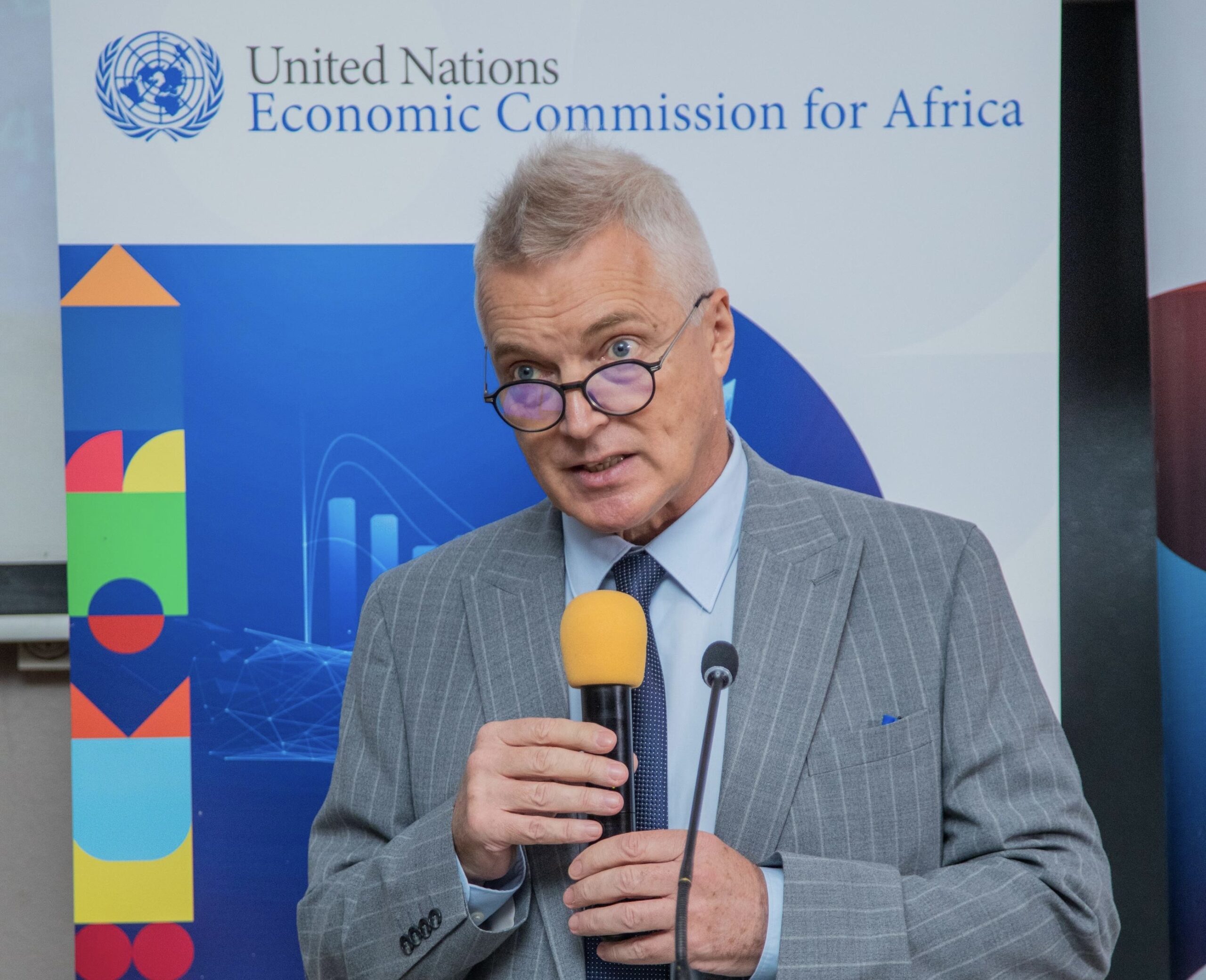
He said the agreement had the potential to boost intra-African trade, unlock industrial growth, foster innovation, and strengthen resilience against global economic shocks.
“The agreement is extremely important for the future. It is notable that 54 member states have signed up to the AfCFTA. That level of commitment is tremendous, and it demonstrates the political will of African countries to work together towards a shared economic destiny,” he said.
At the workshop, the Zambian government reaffirmed its commitment to AfCFTA.
Acting Permanent Secretary in the Ministry of Commerce, Trade and Industry, Angelina Mukuka, said the agreement was central to Africa’s transformation agenda, potentially lifting 30 million Africans out of extreme poverty and increasing continental income by US$450 billion by 2035.
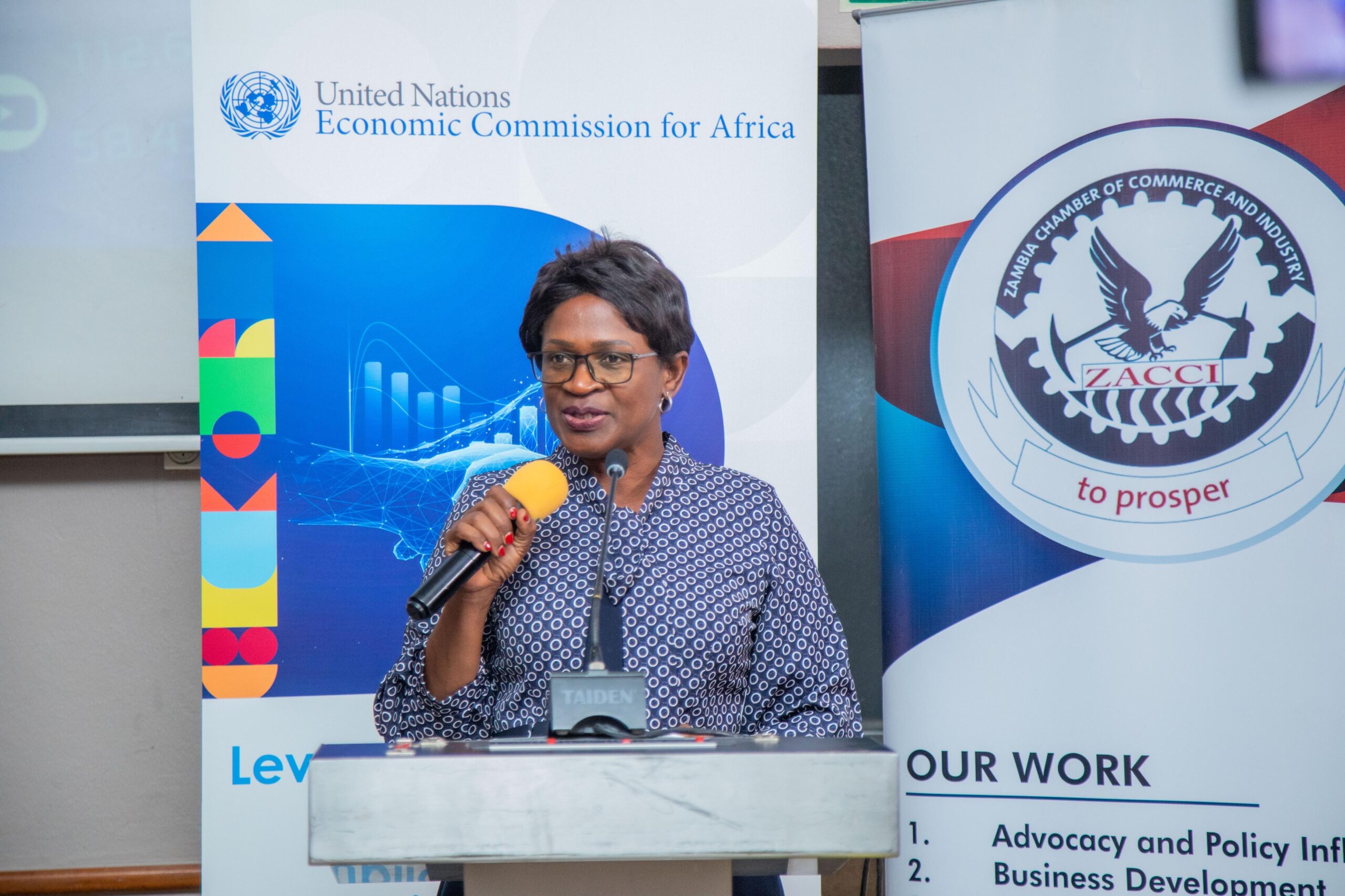
Mukuka highlighted progress such as the Guided Trade Initiative, adoption of protocols including the Protocol on Digital Trade, and tools like the AfCFTA e-Tariff Book and Pan-African Payment and Settlement System (PAPSS).
“Yet the benefits of the AfCFTA will not accrue automatically. They require deliberate policies, strong institutions, private sector participation, and inclusion of women, youth, and SMEs,” Mukuka said.
The three-day workshop brought together government officials, private sector leaders, civil society, academia, and technical partners from across the continent. It was jointly convened by UNECA and its partners.
WARNING! All rights reserved. This material, and other digital content on this website, may not be reproduced, published, broadcast, rewritten or redistributed in whole or in part without prior express permission from ZAMBIA MONITOR.










Comments